Commentator of People’s Daily: China’s anti-epidemic can be called "live broadcast"

  "In the face of a common enemy, people who charge forward deserve respect". An internationally renowned epidemiologist praised China’s anti-epidemic feat in this way, which also represents the general consensus of the international community on "China’s sacrifice" and "China’s contribution".

  COVID-19 epidemic is a major public health emergency with the fastest spread, the widest infection range and the most difficult prevention and control since the founding of New China. An important reason why China has been able to control the epidemic in a short time is that it has always been open, transparent and responsible to the world, so that the society can know and release the epidemic information in time. Report the epidemic situation to the World Health Organization at the first time, share the Covid-19 gene sequence with other countries in the world at the first time, publish the scientific research progress in medical journals at the first time, continuously update and publish the 7 th edition of COVID-19’s diagnosis and treatment plan and the 6 th edition of prevention and control plan, disclose the pathological anatomy results in time, and dynamically inform the vaccine development … … Some people say that China’s anti-epidemic progress has been exposed to the camera and basked in the Internet, which can be called "live broadcast" for the whole world.

  One family in the world, love yourself and others; Feelings are like brothers, and the sun and the moon can be used as a mirror. On December 27, 2019, Zhang Jixian, a doctor at Hubei Hospital of Integrated Traditional Chinese and Western Medicine, reported three suspicious cases she had received for the first time; On December 30th, Wuhan Municipal Health and Health Commission issued the Emergency Notice on Doing a Good Job in the Treatment of Unknown Pneumonia. On December 31st, National Health Commission expert group arrived in Wuhan to conduct on-site investigation. From January 3, 2020, China began to formally inform the World Health Organization and other countries in the world, including the United States, of information in a timely and proactive manner … … From the discovery of cases to the response to the epidemic, every step taken by China is well documented and completely open. Some media commented that Wuhan’s "city closure" on January 23 shocked the world. If such a red warning still can’t wake you up, it only means that you are pretending to sleep. Bill Gates told the media many times that "China did a lot of right things from the beginning".

  Covid-19 is a brand-new virus, which is called "the most cunning virus" by experts. It has the characteristics of strong concealment, long incubation period and many changes. It takes a process for human beings to understand and judge it. Any responsible country will not and should not rashly identify it without sufficient and effective evidence. There is no safe haven for infectious diseases, so it is impossible, unnecessary and even more forbidden for China to conceal or delay the epidemic. Since January, China experts have published more than 1,100 papers in English academic journals, and released the research results of epidemiological characteristics of COVID-19 to the international medical community without reservation; China has also opened an online knowledge center for COVID-19 epidemic prevention and control, which is open to all countries. These precious achievements at the cost of life have provided reference for countries to fight the epidemic and helped save thousands of lives around the world. "China’s generosity should be thanked by other countries", said Dino Patty, founder of Indonesian Foreign Policy Association. "The speed and thoroughness of China’s action surprised everyone", and the British newspaper The Guardian also praised the openness and transparency of China’s anti-epidemic information.

  "In China, all deaths are tragedies, and all life is marked with the highest value," said an American lawyer. On April 17th, Wuhan announced the revised number of confirmed cases and deaths in COVID-19. At the early stage of the epidemic, due to insufficient admission capacity, overloaded hospitals, the failure of a few medical institutions to connect with the disease prevention and control information system in time, and some patients worried about going out for infection and seeking medical advice at home, some phenomena of late reporting, missing reporting, false reporting and repeated statistics were objectively caused, but there was never any concealment, and no one dared to bear the consequences of illegal concealment. Once the conditions for comprehensive verification were met, Wuhan conducted a comprehensive investigation, statistics and revision of epidemic data in time, which reflected a rigorous and scientific attitude towards history, people and the deceased.

  Although rumors can confuse people for a while, justice will never be absent. Many countries and international organizations spoke highly of China’s anti-epidemic measures and transparency. Some media have asked, when Wuhan "closed the city", there were only a few confirmed cases abroad. How can you blame China for the spread of the epidemic? Anyone with a discerning eye can see that some western politicians are wantonly slandering and trying their best to vilify themselves and plant others. The World Health Organization has warned many times that the danger of slandering other countries and people is greater than the virus itself. As a matter of fact, the whole process of China’s anti-epidemic campaign has been made public, which is well known by the international community. What those who accuse China of "hiding" want to hide is what we really need to be vigilant.

  There is no second earth where human beings can escape unscathed, and there is no independent parallel world. The materials donated by China enterprises to Italy are printed with the famous words of Seneca, an ancient Roman philosopher: "We are the waves of the same sea, the leaves on the same tree and the flowers in the same garden." This is a vivid portrayal of China’s practice of the concept of a community of human destiny with practical actions. It is urgent to fight the epidemic, and cooperation can win. China will always respect science, obey laws and respect practice, as always, open information, share experiences and strengthen cooperation, and urge all countries in the world to join hands and jointly safeguard the homeland of mankind.

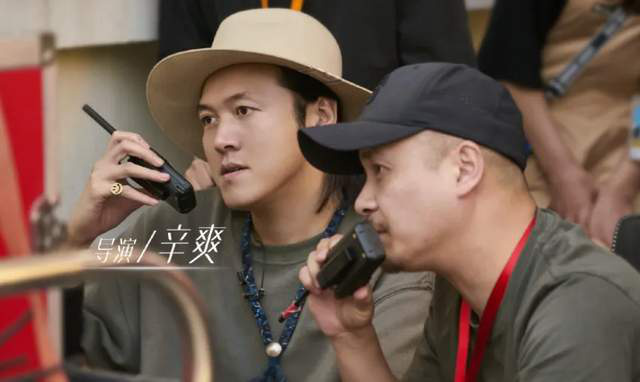
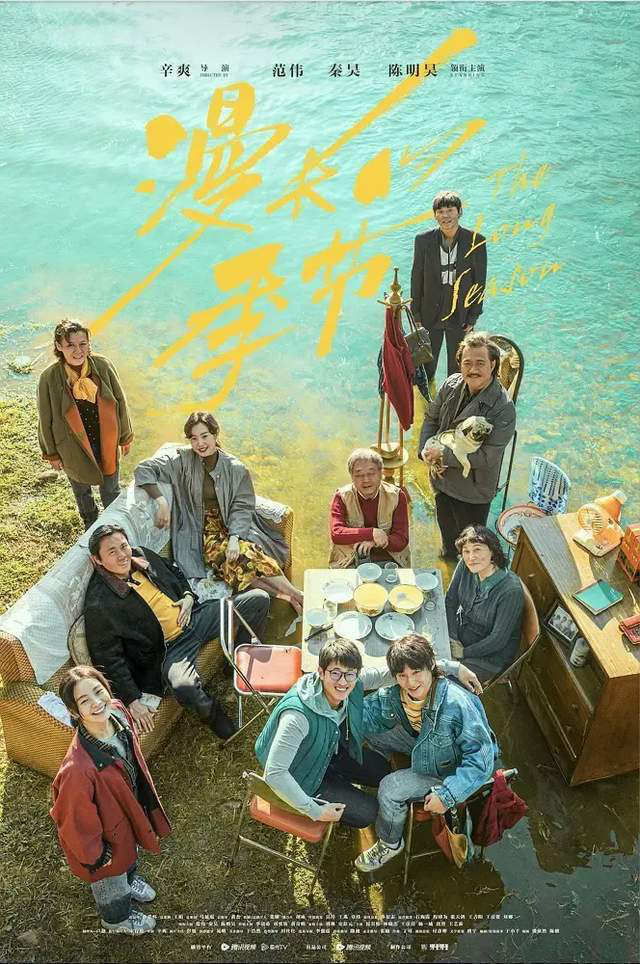
All domestic dramas should learn the audio-visual language of The Long Season! Director Xin Shuangge’s single exposure

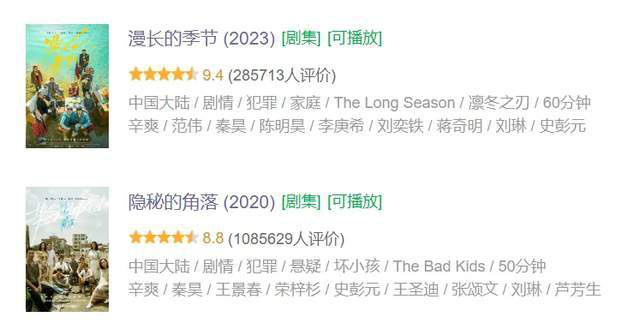
Only in May, this year’s achievements in the film and television industry have reached a very high level. At the beginning of the year, The Knockout triggered an upsurge of "soaring" for everyone, and it was no exaggeration for the whole people to pursue dramas. The final Douban score was also fixed at 8.5, in addition to 8.7 "Three-body" and 8.1 "Thirteen Years of Dust". I thought it was enough for a hundred flowers to blossom, but I didn’t expect the Long Season to come.

This work, which was directed by Xin Shuang and brought together three heavyweight actors, Fan Wei, Qin Hao and Chen Minghao, was not enthusiastic when it was first broadcast, and even had a faint tendency to jump on the street. However, although it is a small audience, this part of the audience has given a very high evaluation. Under the promotion of the "tap water" audience, "Long Season" really bloomed!

Two days ago, at the end of the TV series, Douban scored 9.5 directly, and turned over the leaderboard. The same score was also "Parents Love" and "Bright Sword". This comparison is enough to show the satisfaction of the audience. With the gradual easing of the heat, the score of the play has dropped slightly. At present, it has dropped by 0.1 points, and it is estimated that it will eventually fall to around 9.2, which is still far behind.

Looking out Xin Shuang’s Hidden Corner, the score of Douban is 8.8. After three years, the score of Xin Shuang’s new work is about 0.5 higher, which is really shocking. We still remember those hot topics when "Hidden Corner" was broadcast, such as "Climbing the Mountain with Qin Hao", bald modeling, and the friendship of the young iron triangle. We can still hear the nursery rhyme "Little White Boat" with goose bumps all over the floor.

The unique audio-visual language is the biggest feature of Xin Shuang’s works, which is particularly prominent in The Long Season. The first is the director’s intention praised by the audience-the beginning and end of each episode are surprising, especially at the end, Xin Shuang can always find music that fits the story strangely.

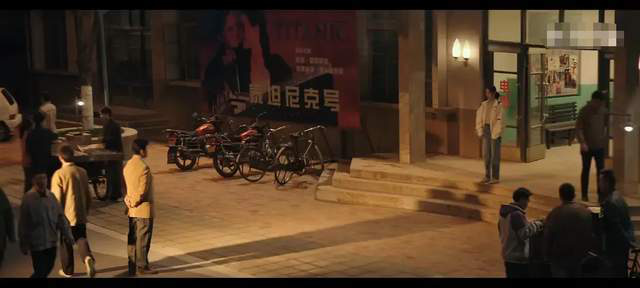
After Shen Mo went to Wang Yang’s appointment to see Titanic, but Wang Yang stood her up and watched the movie alone, she walked out of the cinema, and the sullen uncle Shen Dongliang stood at the door. This episode ended here, and the ending song followed, which turned out to be twinkling star.

But where did the stars come from? Shen Dongliang’s shadow is stretched under the street lamp, reaching to the foot of Shen Mo. Where can you see the stars under this haze? Xin Shuang’s use of this song here may be a foil to Shen Mo’s dark life.

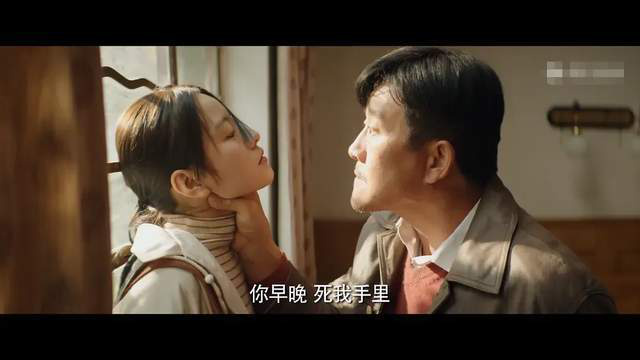
Perhaps further thinking, why use a nursery rhyme? Childhood, how did Shen Mo spend his childhood? At the age of 9, she was adopted by Shen Dongliang and raised this girl like a preserve. I don’t know when my dirty hands reached into my collar. Shen Mo’s childhood may be playing this song with the piano bought by Shen Dongliang over and over again, enduring the darkness and longing for his own starlight.

There are many classic tracks in the play. The Moonlight by Debussy is what Shen Mo has been playing, and the Blue Danube by Strauss is what he dumped the body behind. With a beautiful waltz in such a cold and bloody picture, the violent picture is drawn, and Xin Shuang understands the beauty of the film!

In the scene of Qin Haoling’s box lunch, the car rushed into the river, Gong Biao held the lottery ticket in his hand, and the string of lottery numbers was still in his ear, so he fell into the water with a smile. I have bought countless lottery tickets, perhaps this is the most unexpected one, but it happened that this time I won the lottery, and it happened that this accident happened. When the music started, it was Joyside’s If There is A Tomorrow. A rock song was used here, which was a bit absurd but quite appropriate.

Xin Shuang chose this song for another reason, that is, he used to be the guitarist of Joyside. Although he left the band in 2006, his attitude towards Joyside and rock and roll remained unchanged. He loved and used these songs. There are also works by singers and bands such as Frog Pool, Supermarket and Past Life in the play. Xin Shuang is familiar with rock music, and every soundtrack hidden in his favorites is as ingenious as a pen.

Now "The Long Season" has come to a close, but the attraction of high scores and the evaluation of the audience who have seen it are doomed that this drama will not sink, but will only be seen by more people, unconventional and not sensational. It is obviously suspense but makes people laugh and cry. "The Long Season" deserves all achievements!

Sell 3.988 million yuan Ferrari SF90 Stradale listed.

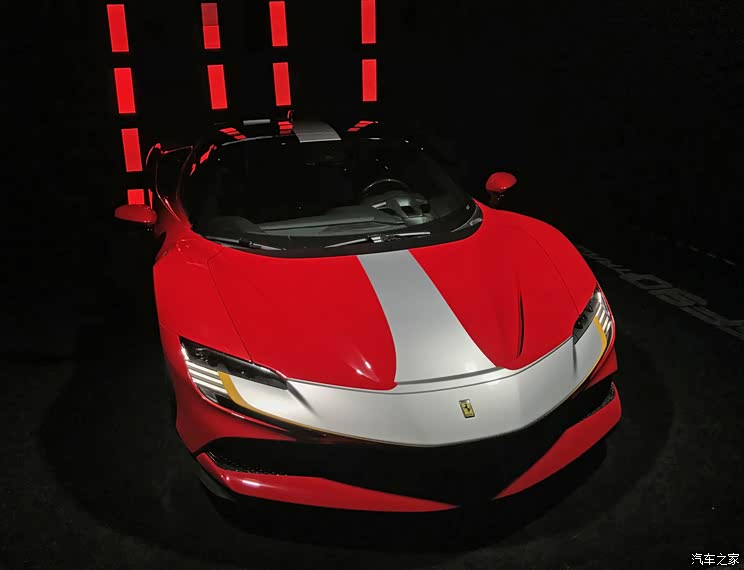
  On October 29th, Ferrari held the domestic launch of SF90 Stradale in Shenzhen. At the same time as the domestic launch,The official also announced that the guide price of the new car is 3.988 million yuan.. The protagonist SF90 Stradale, who made his official debut in China today, was actually released on May 30th this year. The new car is Ferrari’s first plug-in hybrid vehicle. It is equipped with a plug-in hybrid system consisting of a 3.9-liter twin-turbocharged V8 engine and three motors. The maximum power is 1,000 horsepower, the acceleration time from 0 to 100 km/h is 2.5 seconds, and the acceleration from 0 to 200 km/h takes only 6.7 seconds.

Home of the car

● New car features

Ferrari SF90 Stradale 2019 Basic Model

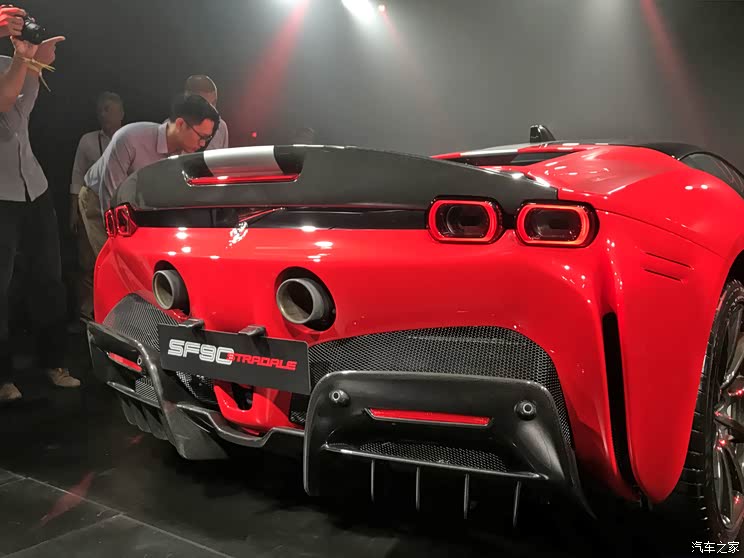
  On both sides of the front of the new car, convex arc wheel arches are adopted, and with the long and narrow flat headlight group, the whole car has a strong visual impact. At the same time, the lower part of the front face of the new car adopts a larger opening, which will provide a strong downforce for the new car while reducing the weight. Of course, this design also makes the car look full of fighting style.

Ferrari SF90 Stradale 2019 Basic Model

Ferrari SF90 Stradale 2019 Basic Model

  From the side of the car body, Ferrari SF90 Stradale adopts a hidden A-pillar design, and has a unique aerodynamic shape behind the side window, showing a fierce air intake design. At the same time, the cockpit of the new car, the smaller front area moved to the front of the vehicle, completely reshaping the body proportion of Ferrari’s 360 Modena sports car and Berlinetta production model with middle and rear engine layout since 20 years ago.

Ferrari SF90 Stradale 2019 Basic Model

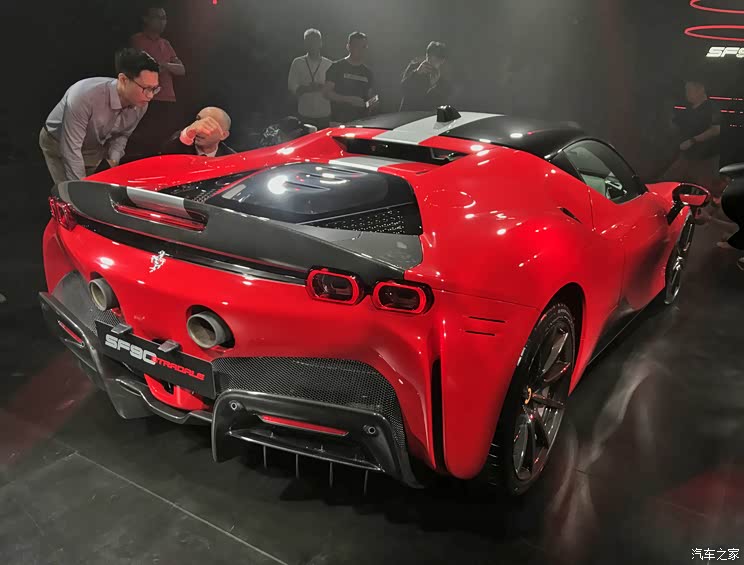
  On the tail, a large number of horizontal linear elements are used, and the taillight is quite distinctive because it consists of four rounded rectangles. It is understood that its official for the first time to provide two models for customers to choose from, including the standard version and more sporty configuration.

Home of the car

Home of the car

Home of the car

  The Assetto Fiorano configuration model adopts a greatly optimized and upgraded configuration, including a special multi-modal shock absorber based on GT racing car, and also equipped with lightweight parts made of high-performance materials such as carbon fiber materials (doors, floor) and titanium materials (springs, complete exhaust pipes), thus reducing the body weight of 30 kg. Other differences include the carbon fiber rear spoiler, which can generate 390 kilograms of downforce when the speed reaches 250 kilometers per hour. The Assetto Fiorano model is equipped with Michelin Pilot Sport Cup second-generation tires specially designed to improve the performance on dry roads on the track. Compared with the tires used in the standard model, the tread texture is softer and the surface grooves are less.

Home of the car

Ferrari SF90 Stradale 2019 Basic Model

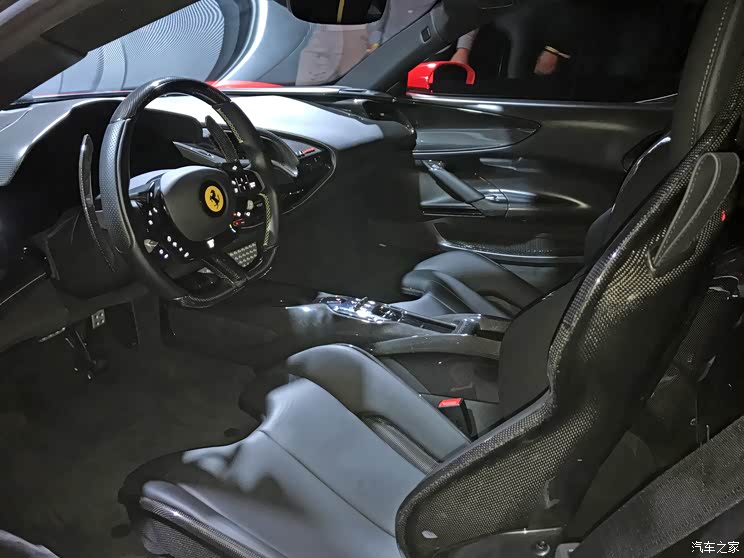
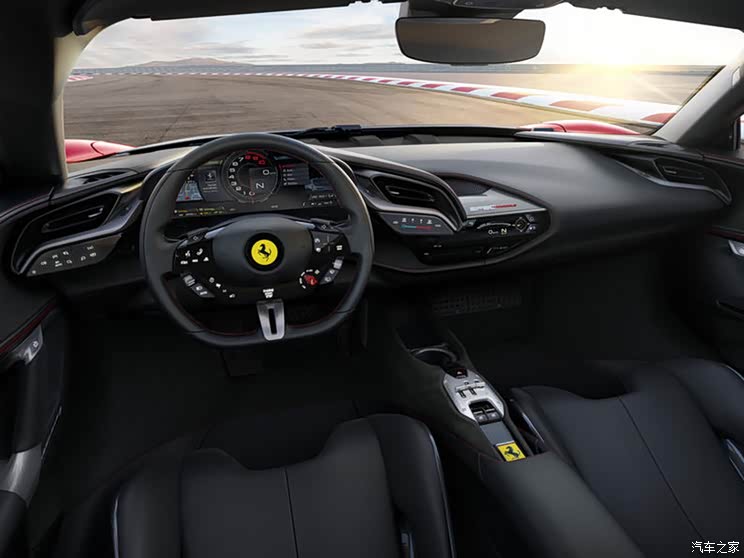
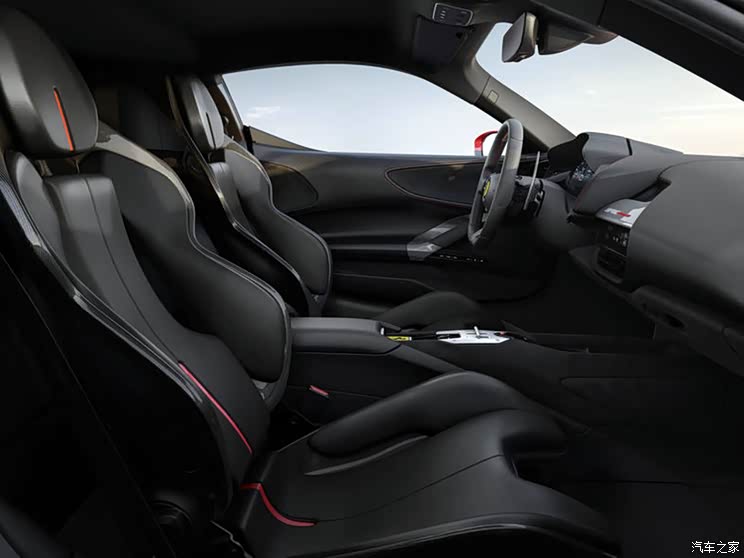
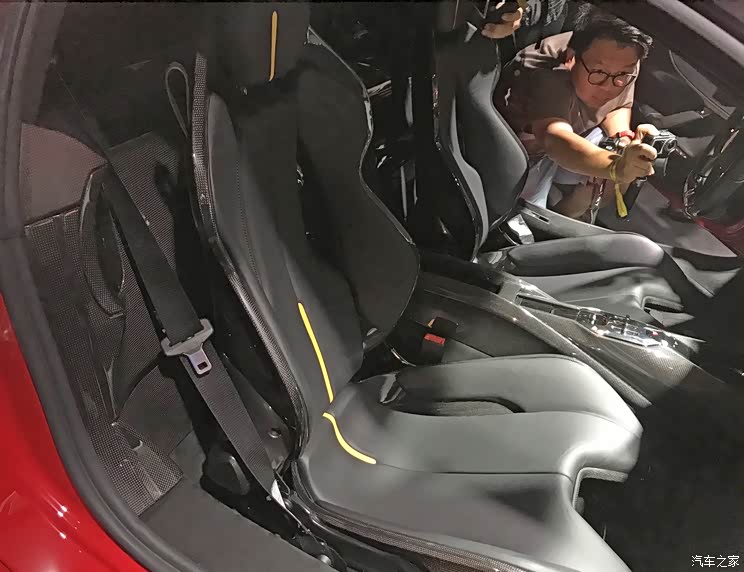
  According to the official, the driving concept of "eyes on the road, hands on the steering wheel" has become the core design consideration of Ferrari’s new car for the first time, and has had a great impact on the ergonomics and interior style of the vehicle. Under the influence of this concept, the new car adopts a brand-new human-computer interaction interface and interior layout completely different from the previous models. It adopts a brand-new three-spoke multi-function steering wheel, with a touch screen and a large number of touch buttons, which makes it easier for drivers to control most functions.

Ferrari SF90 Stradale 2019 Basic Model

Home of the car

  The new car also uses a 16-inch curved electronic LCD instrument panel, which makes the interior very scientific and technological. At the same time, the new car’s gear shifting mechanism adopts a grille design, which is inspired by Ferrari’s classic manual gear shifting paddles. This design combines classic and modern elements, giving this Ferrari hybrid sports car a charming future style. It is worth mentioning that the new car is also equipped with a start switch supported by Ferrari keyless technology for the first time. In the future, this configuration will be gradually extended to the lineup of all Ferrari models, with personalized model names. The central panel also has a special storage space, which is perfectly integrated with the interior layout of the new car.

Home of the car

  In terms of power, Ferrari SF90 Stradale is equipped with a hybrid plug-in power system consisting of a 3.9-liter twin-turbocharged V8 engine and three motors, with a maximum power of 1,000 HP. At the same time, the new car will be equipped with a four-wheel drive system (RAC-E), with an acceleration time of 2.5 seconds at 0-100km/h and only 6.7 seconds at 0-200 km/h.. In addition, the car will provide four power modes for the driver to choose from.

● New car background

Home of the car

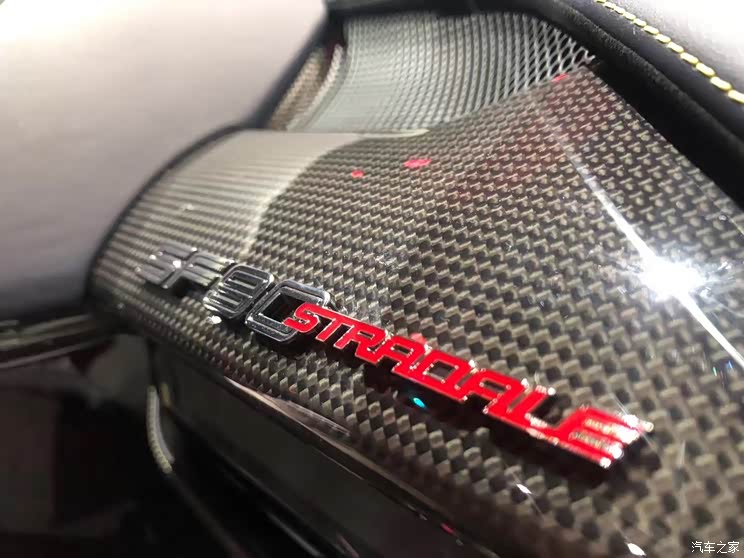
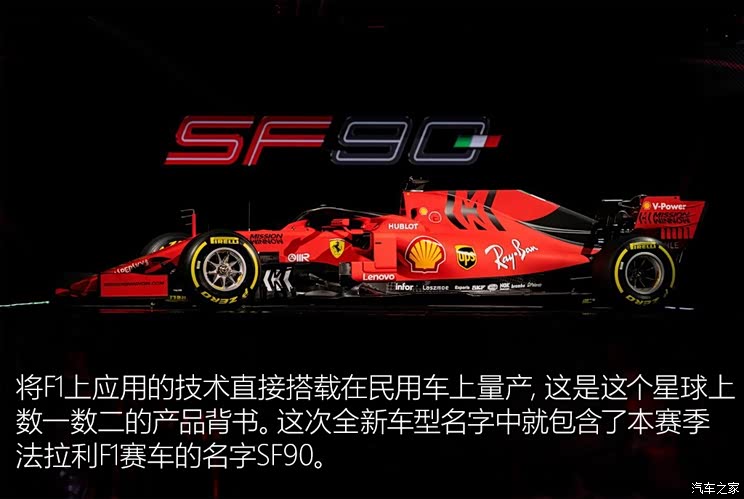
  Ferrari SF90 Stradale, which looks a bit complicated, is actually very straightforward, that is, to pay tribute to the 90th anniversary of Ferrari. For an automobile company that focuses on designing and manufacturing products that pursue speed limits, glorious history is their military badge. SF90 Stradale highlights the cutting-edge technology of Maranello headquarters in the research and development field, and perfectly applies Ferrari’s successful experience, knowledge and technology accumulated on the track to the design of production cars.

● Full text summary

  From this SF90 Stradale, we can clearly see how Ferrari should go in the future. This car points out the direction for the younger brother behind, because it has too many new designs, such as the steering wheel and LCD instrument panel full of science and technology. There are also many new ideas in technology. The most eye-catching one is plug-in hybrid technology. In the future, you can see a green Ferrari on the road. It doesn’t matter if you don’t understand the Ferrari model. Just remember that the acceleration of a green Ferrari is no joke.

  Some people may think that the plug-in hybrid Ferrari is not pure enough, but under the attack of the further upgraded powerful V8 engine, it can still bring enough boiling enthusiasm, and plug-in hybrid brings such an accelerated performance beyond the flagship LaFerrari. I don’t think many people can resist its fierce strength. Generally speaking, compared with its competitors, Ferrari can be said to be ahead this time. Next, we are waiting for more plug-in hybrid supercars to come. (Text/car home Wang Ziping)

How about Hellcat on the Ashes? Analysis of M18 Hellcat Strength

The characters in the ashes front are called humanoid, and there are many categories, one of which is the destroyer. I believe many people have drawn M18 Hellcat, so what about the Hellcat in the ashes front? Is it worth cultivating? Here is a brief introduction for everyone.

The Hellcat we mentioned here generally refers to the M18 super Hellcat obtained through the body modification of M18.

As a light tank destroyer, it belongs to M18 Super Hellcat Stardust Federation. Life 311, Armor 200, Maneuver 182, Ground Firepower 305, Air Firepower 0, Hit Correction 340, Penetration 206, Luck 76, Reaction 46.

Skills introduction:

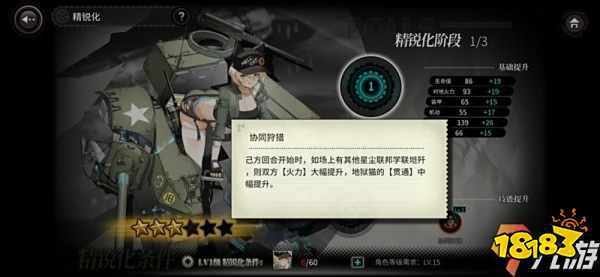
Cooperative Hunting: At the beginning of one’s own turn, if there are other stardust Federation fighters on the field, the firepower of both sides will be greatly improved, and the "through" of Hellcat will be improved, which is valid for this turn.

Paper tiger change: after being attacked, it will catch fire with a small probability, greatly increasing the critical hit rate. Lasting two rounds

Pursuit and change: when the attack causes crit, there is a high probability of an additional attack.

Exclusive skill-flank attack. Specialty: 2 times the firepower to the ground, plus the critical hit rate in the middle range, with a range of 1-3. Pursuit in mobile form.

It can be seen that the best thing about M18 Super Hellcat is its exclusive skills. With twice the firepower and pursuit in mobile form, it can do up to four times the damage, which is called a powerful one.

The above is a brief introduction to the Hellcat on the Ashes. M18 Super Hellcat belongs to the strongest gear in the destroyer, and you deserve it alongside Tiger Hunting H.. That’s all for the related content. For more information about the latest developments of the game, please visit the 18183 Ash Front Zone.

The Chinese Embassy reminded citizens of China who entered Nicaragua to carry the international vaccination certificate for yellow fever.

  China Overseas Chinese Network, April 14th According to the WeChat WeChat official account message of the Embassy of China in Nicaragua, according to the relevant policies of the Nicaraguan health department, all international passengers over one year old who enter from or through the yellow fever epidemic area must hold a valid yellow fever international vaccination certificate (commonly known as the "yellow book"), and those who do not have a valid yellow book or have been injected for less than ten days before boarding the plane will be refused entry.

  International passengers who transit from epidemic areas do not need to hold a "yellow book" to enter Nicaragua if they have not left the airport of the transit country (do not go through the entry procedures of the transit country).

  In addition, the Nigerian health department requires international travelers to show COVID-19 vaccination certificate when entering the country.

  In order to avoid being blocked from entering Nicaragua, delegations and individuals entering Nicaragua through yellow fever epidemic areas are requested to complete in advance and carry the "Yellow Book" and COVID-19 vaccination certificate with them, and actively cooperate with them during entry inspection.

  For details, please refer to the website of the Nigerian Ministry of Health: https://www.minsa.gob.ni.

  Consular mailbox of the Embassy of China in Nicaragua: managua@csm.mfa.gov.cn

Fan Chunhai: Post-70s academicians span three fields.

Reporter | Chen Bing

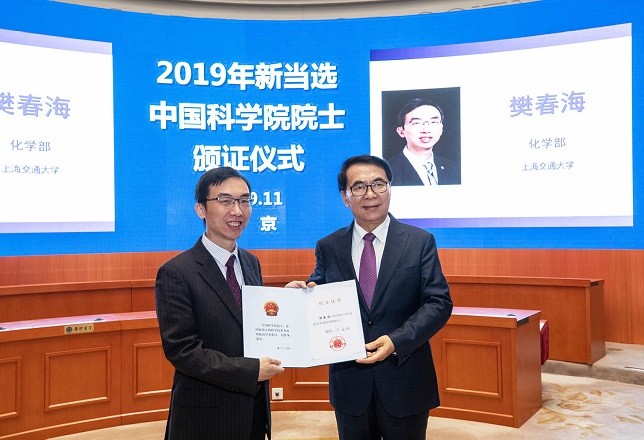
  26-year-old, Ph.D. in biochemistry and molecular biology from Nanjing University. At the age of 33, he was supported by the Outstanding Youth Fund of the National Natural Science Foundation of China. At the age of 42, the carrying team developed a new method for inducing nano-scale precise mineralization by DNA self-assembly structure and published it in Nature, which achieved the first major breakthrough in the field of DNA nanotechnology by China researchers. In the last seven years, he has been selected as one of the "highly cited scientists in the world". At the age of 45, he was elected as an academician of China Academy of Sciences, and he is currently the youngest academician in Shanghai.

  He is Professor Wang Kuancheng from the School of Chemistry and Chemical Engineering of Shanghai Jiaotong University and Fan Chunhai, Executive Dean of the Institute of Translational Medicine of Shanghai Jiaotong University, a cross-border scientist who spans many fields of chemistry, physics and medicine.

  Fan Chunhai’s current office is located in the Translational Medicine Research Center of Shanghai Jiaotong University. Next to the simple and bright office is a uniform laboratory. The experimental platform is filled with all kinds of equipment, and there are few other colors except black and white. All this just coincides with his character of dealing with people-determined, methodical and courageous. An interview with him by Xinmin Weekly was recently held in his office.

Establish the first international RNA nucleic acid detection standard
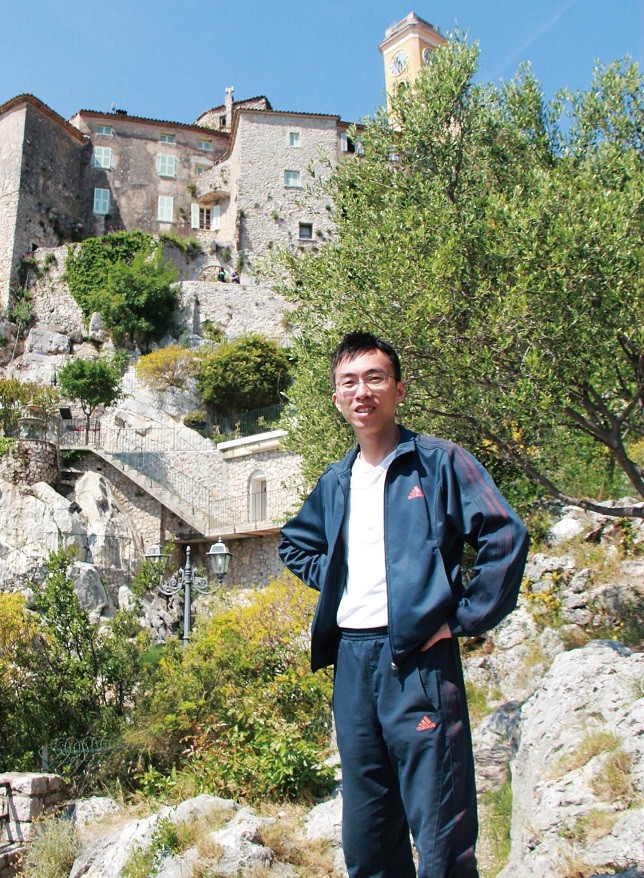


  Fan Chunhai, who was elected as an academician of Chinese Academy of Sciences in 2019, has been devoted to basic research fields such as DNA self-assembly, DNA storage and molecular machines, and has made remarkable achievements. In recent years, he began to focus on transforming basic research results into clinic and seeking well-being for human health.

  At the beginning of 2020, a sudden COVID-19 epidemic plunged the world into a great panic. It is one of the most effective means to quickly confirm the infected person by nucleic acid detection. Fan Chunhai, who has been dealing with nucleic acids for more than 20 years, is the hero behind this technology.

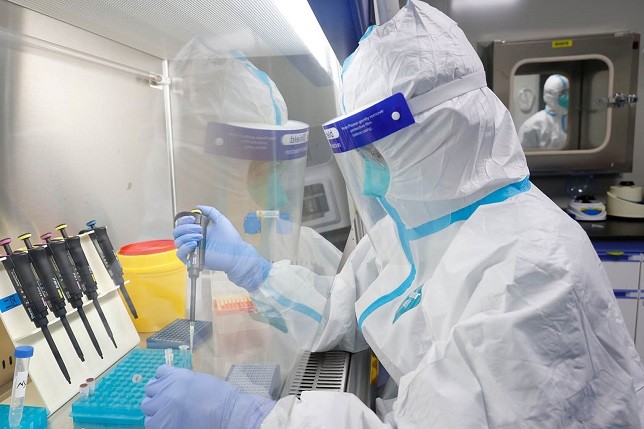
  Just after the Spring Festival in 2020, Fan Chunhai coordinated and organized the joint research team of Jiaotong University and Shanghai Institute of Metrology, and began to work hard day and night, finally overcoming the technical difficulties of unstable RNA reagents. After more than 40 days of unremitting efforts, the first international standard substance for RNA nucleic acid detection was established. Fan Chunhai said that this is like a weight on a balance, which requires a clear measurement standard. The latest research results of this joint research are provided free of charge by Shanghai Metrology Institute to many nucleic acid reagent manufacturers and medical institutions. A total of more than 1000 bottles of COVID-19 RNA standard materials were distributed to more than 100 units including Shanghai Customs, Shanghai CDC, Wuhan CDC, Ruijin Hospital and Shanghai Zhijiang Biotechnology Company.

  With long-term accumulation and team strength, the basic research results can finally be transformed into practical applications, and the key moment is to share the worries of the country and benefit the people. As a scientific research worker, Fan Chunhai feels gratified.

  At present, the Institute of Translational Medicine of Shanghai Jiaotong University, led by Fan Chunhai, carries the construction and operation of the country’s major scientific and technological infrastructure of translational medicine. He hopes that through this platform, more new methods of nucleic acid detection will be transformed into clinic, and early detection including infectious diseases and cancer will be realized through this platform.

  At present, middle-aged and older men in physical examination have been generally screened for prostate cancer markers. However, common physical examination indicators are often difficult to distinguish benign lesions from canceration. Fan Chunhai is exploring better tumor markers than common detection methods, which is expected to become a new generation of prostate cancer markers. At present, the research results of this new method for early screening of prostate cancer are being actively carried out in clinical trials with Renji Hospital.

  Fan Chunhai knows that there is a huge gap between basic research and clinical application of real medicine. His greatest hope is to build a bridge and fill this gap by transforming a national platform such as medical facilities.

DNA origami, a new use of DNA


  Another important basic research direction of Fan Chunhai is DNA origami.

  We are all familiar with DNA and know that DNA is the code of life, but you may not know that it can be knitted like a sweater and assembled like Lego. This technique is called DNA origami.

  Different from the traditional DNA assembly technology, DNA origami can controllably construct highly complex nano-patterns or structures by base complementation between a long DNA single strand and a series of short DNA fragments.

  In 2006, American scientist Paul Rothemund bent and folded a smiling face with a long DNA chain of 7,000 base pairs. Fan Chunhai was one of the earliest scientists who participated in the research of DNA origami. Also in 2006, he and Academician He Lin of Shanghai Jiaotong University constructed a map of China based on the principle of DNA origami technology, which became the second published achievement in this field.

  Now, scientists can use DNA origami to make our genetic material into various shapes, such as the national treasure panda. Fan Chunhai pointed out that in nature, DNA exists not only in the form of double helix, but also in various forms of DNA and RNA nucleic acid, including ring and rod. "We can think of DNA as a very soft wool. When it collides with hundreds of short-chain fragments and is assembled together, it can be woven into any shape we want just like wool."

  In Fan Chunhai’s view, the naming of DNA origami is a beautiful misunderstanding. "Americans don’t understand knitting sweaters. He thinks it is origami, so he named this technology origami. This is a wrong start, but it brings beauty and prosperity to an entire field. "

  It has been 15 years since 2006, and scientists’ DNA origami can also construct various nano-scale shapes from one to two and then to three, just like 3D printing. So, what can we do with these shapes?

  Fan Chunhai pointed out that in the macro world, one of the most useful materials for human beings is frame materials. Similarly, in the nano-world, coding the AGTC letters of DNA into some framework substances can make some biomolecules, such as nucleic acid itself, aptamers, antibodies, protein, enzymes and other substances live in the nano-house built by DNA framework. This is the latest definition put forward by Fan Chunhai-the framework structure made of DNA is called framework nucleic acid.

  This is a kind of artificially designed structural nucleic acid, whose size, morphology and mechanical properties can be programmed, that is, we can make it as fine as a bird’s nest by programming the four letters AGTC. With this home, we can provide structural support for elements such as nucleic acid, protein and antibody, so that we can do better early detection of cancer, do better cancer treatment, or provide better tools for the diagnosis and treatment of neurodegenerative diseases such as Alzheimer’s disease.

  In 2019, Fan Chunhai’s team summarized this academic thought in the journal Nature Chemistry. On the occasion of its 10th anniversary, it invited more than 50 international scientists to jointly write "The Road to Chemistry" to discuss the future challenging problems in the field of chemistry. Among them, Fan Chunhai’s challenging question in the field of chemistry is: "An exciting frontier of the discipline is to understand how artificially designed nucleic acid structures are assembled and play a role in living cells and animals. Creating new tools to control the assembly process of natural and artificial nucleic acid molecules in living cells will probably bring revolutionary changes to the field of nucleic acid chemistry, thus promoting the development of nano-diagnosis and treatment and precision medicine. In the longer term, another promising research direction is to explore and develop DNA or RNA robots with artificial intelligence and work in animals and humans. "

  Fan Chunhai’s team wrote an entry: We don’t use the genetic information of DNA, but its structural information, and use its three-dimensional structure to serve our life itself.

  After decades of hard work, people can now make a very complicated molecular machines. But as far as cells are concerned, these machines based on organic molecules cannot function on the surface of solutions or in human cells. Molecular machines’s protein is assembled and decomposed in cells in a highly conservative way, but it is difficult to achieve this level of intelligence by organic synthesis.

  At present, Fan Chunhai’s team has made an intelligent DNA navigator embedded with depth-first search program through DNA assembly technology. This means that DNA robots can solve mazes on the surface of two-dimensional DNA.

  In the latest research, Fan Chunhai’s team also developed an intelligent DNA nanorobot that can enter living cells.

  "It is still a dream to have a DNA nanorobot that can be used for treatment. I personally think that one day, we will have DNA-based machines, DNA-based self-assembly machines and DNA-based nano-robots to treat diseases in the human body, thus changing people’s views on diseases and diagnosis and treatment. "

How do cross-border scholars refine?
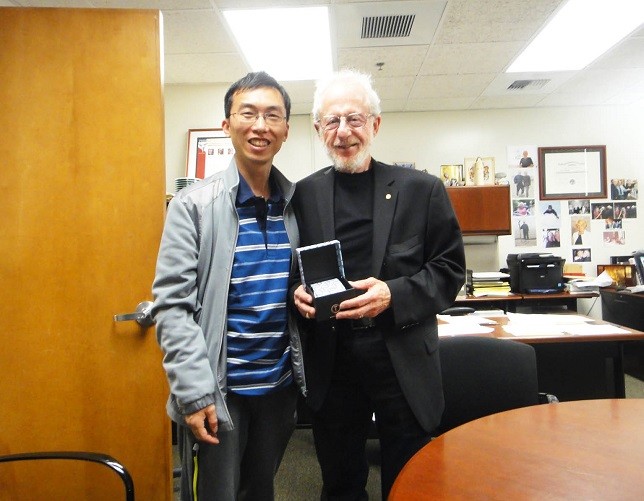


  In the results of the co-election of academicians of China Academy of Sciences, Fan Chunhai belongs to the Ministry of Chemistry; In 2019, he won the most influential award in the field of life sciences in China-the Tan Jiazhen Prize for Innovation in Life Sciences, and the work unit he chose after returning to China was the Shanghai Institute of Applied Physics of Chinese Academy of Sciences. The scope of "cross-border" seems a bit large. In this regard, Fan Chunhai’s explanation is: "The subject field and research direction are different concepts. My research direction has not changed for more than 20 years. I have been engaged in basic research on biosensing since I was a graduate student, just to explore the unknown world and need a broader vision. "

  In 1992, Fan Chunhai, who was preparing to take the college entrance examination, applied for the Department of Biochemistry of Nanjing University. "At that time, the choice of biochemistry was blind and I didn’t understand it at all. But I vaguely feel that biochemistry has both biology and chemistry. This name is cool! " Fan Chunhai recalled.

  When Fan Chunhai was studying at Nanjing University, there was a strong interdisciplinary atmosphere in the Department of Biochemistry. The slogan of the department was "If you can’t learn chemistry well, you can’t do biochemistry well". Zhu Dexu, one of the pioneers of biopharmaceutical technology research and development in China and the founder of heparin and urokinase industry, was then the head of the department, and Li Genxi, a doctoral student of China Academy of Sciences, the pioneer of the concept of life analytical chemistry and the founder of the State Key Laboratory of Life Analytical Chemistry, taught in the Department of Biochemistry. Fan Chunhai was guided by teachers during his graduate studies, and started at the intersection of two academic inheritance lines of biochemistry and life analytical chemistry, engaged in the research of electrochemical biosensors, which was a frontier interdisciplinary subject at that time.

  To keep advancing in frontier disciplines, we must know more about the international scientific research trends. "When I was studying, I often needed to read foreign literature. Unfortunately, the literature I saw at that time would lag behind at least half a year." Fan Chunhai came across an exclusive interview with Professor Alan Alan Heeger (winner of the Nobel Prize in Chemistry) of the University of California, Santa Barbara (UCSB) in Advanced Materials magazine. Haig said: After winning the Nobel Prize, I hope to do something I didn’t dare to do before, such as biology, especially biosensing is the most important thing. Fan Chunhai had a feeling of hitting it off, and immediately applied to Professor Haig for a postdoctoral position, which was finally recognized.

  After coming to the beautiful coastal city of Santa Barbara, California, Fan Chunhai discovered that Haig was actually a professor of physics, and he always considered himself a physicist. A physicist won the Nobel Prize in chemistry and then started to do biology, which made Fan Chunhai feel very shocked. Many years later, Professor Haig said modestly in a speech in China: "I knew nothing about biology at that time, and even the most basic knowledge such as DNA molecules was taught by Chunhai."

  The postdoctoral experience in Haig Laboratory made Fan Chunhai step into the frontier of interdisciplinary from a fledgling young researcher. "What impressed me most was that Professor Haig had a very broad vision of the problem, and he especially respected interdisciplinary." Fan Chunhai said that working in Haig’s laboratory requires multiple scientific research projects at the same time, which once overwhelmed him. "You just pick the most important thing to do." The tutor’s words made Fan Chunhai enlightened, and have always guided him to make judgments.

  Under the guidance of Professor Haig, Fan Chunhai has made some research progress, and related research work has been published in authoritative magazines such as Proceedings of the National Academy of Sciences (PNAS) and Journal of the American Chemical Society (JACS). Among them, an electrochemical DNA biosensor named E-DNA has been developed, which has been widely praised by international peers. American Chemical Society C&E News rated it as one of the important chemical progress in 2003.

  The postdoctoral experience has greatly broadened Fan Chunhai’s horizons and strengthened his confidence in interdisciplinary research. At that time, China was in the initial stage of discipline construction and needed a lot of new blood. In January 2004, Fan Chunhai joined sinap.

  Coincidentally, on the day of his entry defense, the Shanghai synchrotron radiation light source project undertaken by the institute was approved after ten years of hard preparation. This was the largest scientific research facility in China at that time, which attracted worldwide attention. That night, firecrackers exploded to celebrate. Fan Chunhai immediately decided to choose the Institute of Applied Physics and signed the contract the next day. Guided by what was later called "Shanghai Light Source Spirit", this internationally advanced synchrotron radiation light source was completed in only five years. In 2009, Nature magazine reported on the topic "China entered the world-class synchrotron radiation club".

  And these five years are exactly the five years that Fan Chunhai started from scratch and built the laboratory from scratch. Fan Chunhai, inspired by the spirit of Shanghai Light Source, hopes to do research work with the same international influence. Mr. Li Mingan and researcher Hu Jun of the Institute are early explorers in the cross-research of nano-biology in China. With their guidance and help, Fan Chunhai, combined with his own background in DNA research, gradually made it clear that DNA nanotechnology was the starting point to form research characteristics. This multidisciplinary research team, which integrates physics, chemistry and biology, has a unique interdisciplinary research atmosphere, which not only enables biosensor research to advance rapidly, but also broadens more frontier research directions.

  After years of accumulation, Fan Chunhai’s team developed a new method to induce nano-scale precise mineralization by DNA self-assembly structure, which significantly improved its mechanical properties under the premise of maintaining the exquisite design of DNA nanostructures, and opened a new door for the construction and analysis of bionic nano-channels. This work was published in the journal Nature in 2018, which achieved the first breakthrough of China researchers in the field of DNA nanotechnology.

  In this year, Fan Chunhai officially joined the School of Chemistry and Chemical Engineering of Shanghai Jiaotong University as Professor Wang Kuancheng. Fan Chunhai built the laboratory of "Framework Nucleic Acid Design and Nano-medical Diagnosis and Treatment" based on the newly completed national major scientific and technological infrastructure of translational medicine. Translational medicine facilities have gathered a group of experts from physics, chemistry, biology, medicine and even data science, because many new theories and technologies have emerged at the edge or intersection of disciplines.

  This is a new starting point and a new journey. Fan Chunhai hopes that on the basis of more than 20 years of basic research on biosensing, the developed new method of nucleic acid analysis will be transformed and applied in practical clinic, and the possibility of low-cost medical detection will be explored, which will provide convenience for "sensing life" and escort people’s health.
Curiosity brings innovation challenges.


  Fan Chunhai said that he was "not very clever" but "very curious". "Some people like to study one thing very much; There is another kind of people, such as me, who are curious and find this interesting and that interesting, so they do something overlapping. I once joked with middle school students. If you are not very smart, it is good to be an interdisciplinary subject, at least for me. "

  On the surface, it seems that interdisciplinary subjects need to know something about everything, more chemistry in biology and more biology in chemistry, but on the other hand, it is not easy to really do a good job of crossing. "In fact, you have to have a deeper understanding of both disciplines, not superficial, just content to cross it. It takes a long time to explain and solve the important problems of another subject with the content of one subject. It is easy to do it, but it is not easy to do it well. "

  At present, Fan Chunhai began to care about "semiconductor synthetic biology" again.

  The so-called synthetic biology, in fact, regards life and cells as a computer, which contains circuits, memories and CPU. On the basis of cell circuits, scientists make innovative drugs, functional materials and energy substitutes through artificial design. "Some people say that synthetic biology can realize artificial life. This is a revolution in scientific thinking of biology and a brand-new development of life science. In 2018, three pioneers of synthetic biology have won the Nobel Prize."

  Fan Chunhai said that the semiconductor synthetic biology was actually deployed by the American Semiconductor Alliance in 2013, representing the integration of information technology and biotechnology. After the road map of semiconductor synthetic biology was released in 2018, the relevant ministries and commissions in China felt very important and immediately organized personnel to start research. "It is a little later than the United States, but everyone thinks this is a very important thing and we should do it."

  It is found that DNA big data storage is the core issue of semiconductor synthetic biology in the roadmap of semiconductor synthetic biology. Subsequently, DNA big data storage, quantum computing, quantum communication, etc., as representatives of cutting-edge technologies, were written into the national "14 th Five-Year Plan", and the state indicated that it would speed up the layout.

  In 2020, the world’s data will be 44 ZBs, or 440 trillion bytes, and will reach 1,750 trillion bytes by 2025. In order to save these 44 ZB data in the world, the electricity consumption may be the power generation of the entire Three Gorges Dam, and in addition, the manpower, material resources, financial resources and land occupation that need to be paid are very big problems. 90% of such a large amount of data is "cold data" that is rarely called, but it must be saved. This is a great challenge for electronic storage, because the life of electronic storage technology can only be in the order of decades.

  Not only storage, but also transmission has become a huge problem. In 2019, the black hole data was released, forming a very beautiful black hole pattern. The data it collects in one night is 5 PB, and it takes 10,000 hard disks to save it. There is almost no way to transmit it by Internet, but to transport it by plane, which has surpassed our traditional understanding of data. With the increasing amount of data collected, how should the data be transmitted?

  Fan Chunhai said that under such challenges, DNA data storage has sprung up suddenly, and everyone thinks that the prospect is infinite, because DNA is the four bases of A, T, C and G. If it is synthesized, it is actually the process of encoding and writing information. With sequencing technology, information can be read and decoded.

  But in 1988, when someone proposed to use DNA to store information, everyone thought it was a scientist’s whimsy and could not see any application scenarios. In 2015, Microsoft first proposed to use DNA as information storage. In 2018, they realized 200 megabytes of storage for the first time. In 2019, Huawei announced the roadmap of Innovation 2.0 and proposed four technologies that will change the future, one of which is to invest in DNA storage and break through the capacity limit of data storage.
  "The data of 10 million hard disks can be saved with 50 grams of DNA and taken away with you. The data of 44 ZBs around the world can be saved with 200 kilograms of DNA." Fan Chunhai said that this is a completely subversive new technology that can meet the needs of data explosion. This technology brings ultra-high density, ultra-long service life, ultra-low energy consumption and super anti-interference ability. Of course, there are still great challenges in the realization of DNA storage technology, such as writing speed, writing cost and reading mode, but this is both a challenge and an opportunity.

  From macro to micro, many things that we seem to be just imagination are extremely challenging international frontier scientific topics in Fan Chunhai’s scientific world, which contain passwords that change our lives. In Fan Chunhai’s view, "science itself has no disciplinary boundaries. What technology you use, physics or chemistry, or nanotechnology, etc., is actually not so important. What is important is that you discover some new methods and use some new technologies to observe and decipher the mysteries of life." (Reporter Chen Bing) (This column is co-organized: Shanghai Science and Technology Popularization Volunteers Association)
After the "crab card", the "double 11 delivery card" scam is coming again!

After the "crab card", the "double 11 delivery card" scam is coming again!

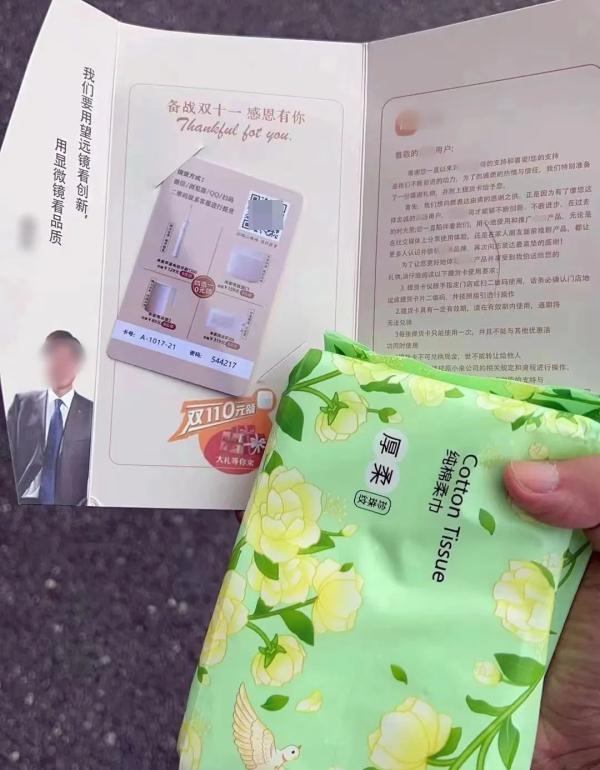
  Not long ago, the fraudulent method of draining in the name of "crab card" exchange once rushed to the top of hot search. Unexpectedly, a short time later, fraudsters have touched a new hot spot, replacing the "crab card" with various so-called "double 11 delivery card and red envelope exchange card". The routine is still the same, tricking you into scanning the code to "redeem the prize" and finally falling into the trap of swiping a single rebate fraud.

  Recently, some residents asked the community police to verify the authenticity of the delivery card in their hands. The "Pick-up Card" contains the small print of "Smart Home Appliances Pick-up Card, scan the code to pick up the goods in 0 yuan". Due to the recent "crab card" fraud, the cardholder was suspicious of the "delivery card" and decided to ask the police for verification.

After the "crab card", the "double 11 delivery card" scam is coming again!

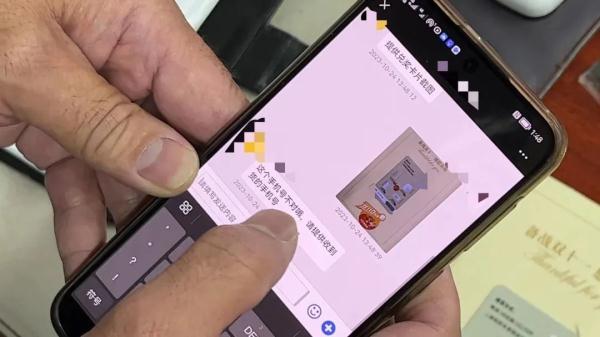
  In order to prove the scam, the police scanned the QR code on the card with their mobile phone, and a WeChat dialog box popped up, which was displayed as "Customer Service of a certain group". After providing the mobile phone number and the screenshot of the delivery card, they were prompted "This mobile phone number is wrong, please provide the mobile phone number of the goods received" …

After the "crab card", the "double 11 delivery card" scam is coming again!

  The following story is exactly the same as the previous "crab card" scam: the liar will immediately let you into the group, and the accomplices will start to "pry the edge" to make you believe that this is true. If you don’t get something, you will lose, and you will use various routines to wait for you to believe it. If you don’t see through the scam, the other party will ask to download the APP and start the task of swiping the bill. In the early stage, you will gain trust with a small rebate. After asking for a large recharge in the later stage, you will not return the principal and rebate, so as to implement fraud.

  Moreover, the "delivery card" fraud is not a case. Some residents have received similar "delivery cards and redemption cards".

After the "crab card", the "double 11 delivery card" scam is coming again!

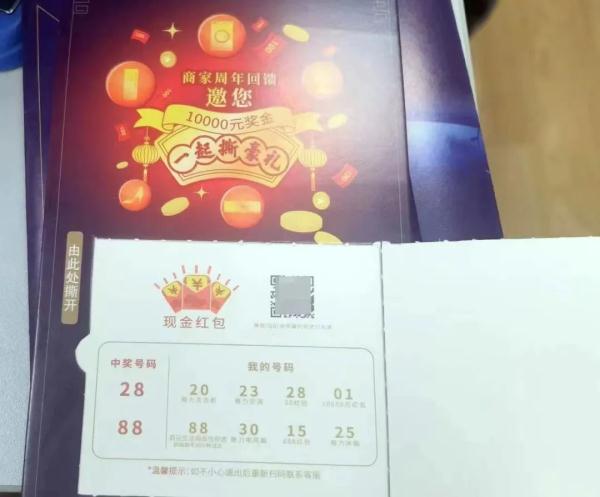
  Some "pick-up cards" claim that "you can get a cash reward of up to 10,000 yuan". The card not only reads the words "Uncover courtesy, win 100%", but also bears a picture of a well-known entrepreneur and the so-called two-dimensional code for redemption.

After the "crab card", the "double 11 delivery card" scam is coming again!

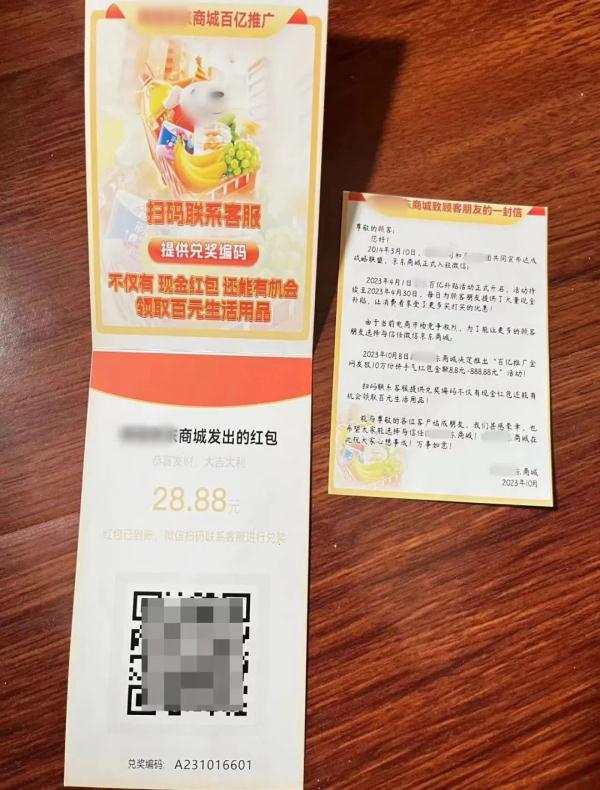
  Some "pick-up cards" are sent to residents in the form of parcels. The parcels are rich in content, including not only a pack of wet tissues, but also a thank-you letter and a red well-known brand pick-up card. The words "Prepare for the Double Eleven, thank you" are written on the card, and a picture of a well-known entrepreneur is also printed. The back of the red pick-up card is printed with a QR code, which means that 0 yuan can exchange small household appliances such as electric toothbrushes or rice cookers of well-known brands.

  These are all scams of the same type as the "crab card" scam. When double 11 comes, criminals have begun to deliver such express parcels containing "pick-up cards" and "red envelope exchange cards" for drainage. Generally, 0 yuan will be used as bait to attract people who don’t know the truth to scan the code and enter some drainage WeChat groups, and finally induce the victims to commit fraud of swiping a single rebate. ▼

  The public must keep in mind the following three points when receiving unidentified express delivery:

  one

  First, there are "traps" behind the "free collar". For express parcels, QR codes or links of unknown origin, don’t scan or click at will to avoid revealing personal information and suffering economic losses.

  2

  The second is to log on to the official website to check the logistics information and courier information, and contact the courier by phone. For express delivery from unknown sources, it is necessary to insist on verifying the identity of the courier and the contents of the package.

  three

  Third, when there are gifts to be exchanged, please remain calm and verify the authenticity through official channels. Remember, anything that needs to be paid during the redemption process must be fraud!

  From: Zhuhai Criminal Investigation

[Editor in charge:

]

Net Translator CKtalon: The overseas translation of China’s online literature

[Editor’s note]As a cross-cultural global communication activity, writing and translation jointly determine the quality of overseas communication. On June 8th, the "Online Literature Overseas Communication Summit Forum" hosted by Yuewen Group and its overseas portal Webnovel was held in Singapore. Lin Tingfeng, editor-in-chief of Yuewen Group, and many writers, translators and editors of Yuewen attended the event to discuss the development direction of online literature overseas communication. It is worth mentioning that the online reading group has already jumped out of the local Chinese circle. Malaysian translator Insignia said at the meeting, "To my surprise, non-Chinese Malaysian residents are also reading novels in Webnovel, and this group is rapidly expanding, breaking the racial barriers, gender differences and geographical distances, so that everyone can share a novel and share a world. "This article is a speech made by CKtalon, a Singaporean translator, at the meeting. CKtalon is translating Zhenwu World, Flying Sword Asked and other works.

First, the status quo of overseas translation

Good afternoon, everyone. I’m Hongwen from Singapore, and I’m also CKtalon, the translator of Starting Point International. Today, I am here to share with you the overseas translation of China’s online literature.

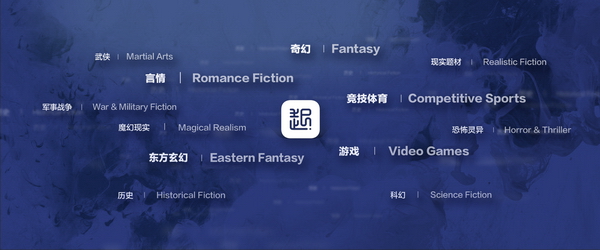
First of all, what I want to share with you is the status quo of overseas translation. Since November 2015, I have been involved in the Chinese-English translation of the oriental fantasy "Zhenwu World", and later I have gradually tried different types such as city, Er Yuan and Xian Xia. Although I was not the first person to "eat crabs", I was fortunate enough to witness the process of China’s online writing going to sea. Different from domestic readers, China’s online text that overseas readers first came into contact with belongs to a second creation, that is, the version translated and edited by the translator according to the Chinese version of the novel. Mr. Yu Guangzhong, a famous contemporary translator, once said: Translation is a conditional creation. I quite agree with Mr. Yu’s point of view. In the process of transforming from one language to another, the translator needs to constantly overcome the personal uniqueness in his creation and approach the original infinitely. Translators need to understand what the original author is thinking and expressing through the original text. More importantly, what he is passing on to the readers.

In my opinion, the classification of translators is actually very similar to the system of cultivating immortals in China’s net. Nowadays, most web translators are still in the stage of building a foundation, that is, translating to readers word by word according to the original text. This kind of translation without merit can only make readers understand who is doing what.

Then the translator will tell the story better and more vividly. They will make readers understand the plot and increase the overall readability and fluency. Especially in the depiction of the characters’ mood, readers will feel the emotions of the characters at this moment through various methods such as capitalization, boldness, italics, punctuation and so on.

Yuan Ying-level translators will make up for the logical loopholes of the original author and narrate the original author’s incomplete meaning completely. However, due to the difficulty in grasping the scale, there are still few such high-level translators at present.

Of course, there are also a lot of practicing translators who have a large number of omissions, mistakes and even machine turns.

Therefore, at present, the translation level of the whole overseas online text is still uneven. At first, due to the lack of choices, readers were more tolerant of such works with poor translation level. However, with the increasing number of online novels in China, readers are constantly evolving. I believe that these practicing translators will eventually be eliminated by the market.

Second, the difficulties in China’s online translation

Secondly, it is the translation difficulty of China’s net text. As a translator with more than two years’ online translation experience, I have a deep understanding of the difficulties encountered in the translation process.

Translation is to let cultures communicate and understand each other. Therefore, the first difficulty lies in the interpretation of the words with China characteristics. It is not a simple matter to explain the meaning clearly and make the reader understand it. I still remember that when I first started translating Zhenwu World, the translation time of each chapter was nearly two hours. As an oriental fantasy novel, those levels of cultivation, idioms and common sayings are inevitable. I understand the meanings of those words that contain China culture, such as "Then", "Yuan Shen" and "Immortal", but I really don’t know how to translate them.

For this kind of vocabulary, I usually divide it into two parts: translation and explanation. First of all, translation is to find the most accurate English word. After all, translation is not a brand-new field, and I think it is undoubtedly a "shortcut" to absorb the wisdom of translators’ predecessors. Therefore, I will choose the most accurate and accepted word by looking for a lot of information and reading a lot of literature. It is undoubtedly not enough to find this word alone, so it needs to be explained to make readers better understand the story and cultural meaning behind this word. I think Starting Point International has done a good job on this point, and we can easily annotate a certain word or sentence in the translator’s backstage. When the front end is displayed, a small gray logo will appear on the right side of the word, and readers can click to see the complete explanation. This will not affect the reader’s reading experience, but also achieve the effect of explanation. Personally, I think this little function is great! In addition to pure text explanation, many translators will also use the combination of pictures and texts to make readers feel more interesting. For example: Tai Ji Chuan, there will be a video of grandpa playing Tai Chi; Sugar-coated haws will put a picture of sugar-coated haws. Of course, readers usually love and hate food photos.

The second difficulty in translation lies in the disunity of nouns. Many China online articles, especially male frequency books, usually have more than 1000 chapters in a book, so many authors will have the problem of writing before forgetting. Some names and places don’t match the previous ones. In the process of translation, the translator will have similar problems. The last time the place name was translated, the next time a new translation method was adopted. In order to avoid these confusions, our translators usually build a vocabulary while translating. The next time you translate this place name, you can find the previous translation method by searching.

For the whole site, I also helped the starting point international to establish a platform-wide vocabulary, which includes many translation methods of surgical words and proper nouns, thus effectively avoiding the problem of inconsistent translation of those surgical words between books and enhancing the reading experience of platform readers. At present, I have sorted out more than 700 translation methods of specialized words.

Third, the future research direction

Finally, I want to share with you our future research direction. Many difficulties in translation actually come down to cultural differences between different countries. In order to further eliminate these reading barriers caused by culture, the future research direction of Starting Point International will also shift to the localization of translation. We will aim at readers from different regions and countries, and through some reasonable adaptations and plot optimization, overseas readers can better understand China’s online texts.

Du Qifeng’s concept of love: "I need you" rather than "I love you"

Special feature of 1905 film network The romantic film "Single Men and Women 2" directed by Du Qifeng was released in China on November 11th. The Hong Kong director’s romantic films are not as widely praised as his action films. Many people think that he shoots action movies for art, while romantic movies are for money, which is also a kind of rest and adjustment between shooting different action movies. Perhaps because of this reason, there are countless analyses of his action films, and scholars and film critics.From theseMany viewpoints and techniques that belong to Du Qifeng are summed up in action movies, such as pessimistic attitude towards the world, wonderful action scenes, abstract composition of characters and so on. However, people have some disdain for his love movies.

In fact, in Du Qifeng’s romantic films, there is also an inherent view of love. If you analyze the story structure of these romantic films, you will find that they also maintain a high degree of consistency in narrative. This consistency shows that no matter what Du Sir’s motives are, they can still be regarded as "author films". Behind these films, there is also a unique soul hidden. Next, we will examine his love views in his representative works, such as Single Men and Women, Blind Detective, Slimming Men and Women, Lonely Men and Few Women, A-lang’s Story, Goodbye to A Lang, etc. Maybe you will find new fun from them.

Operation Red Sea and other finalists were announced in the primary list of directors’ association commendation meeting.

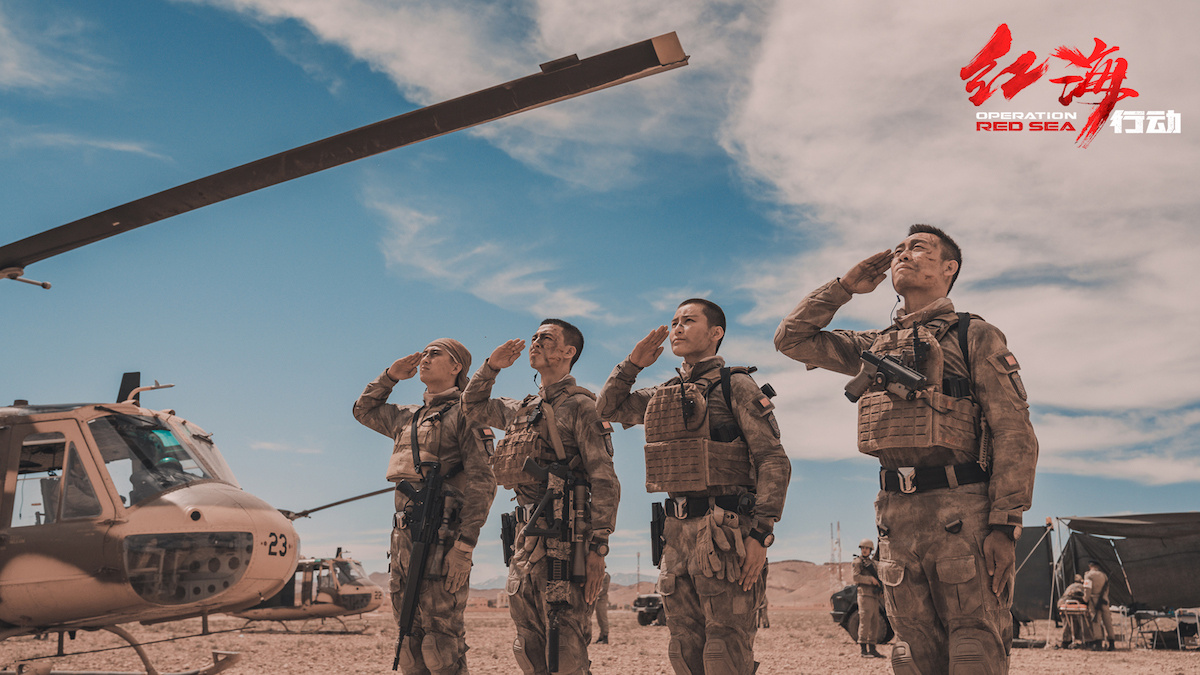
1905 movie network news On March 1st, the shortlist of the China Directors Association’s 2018 Annual Commendation Conference was announced, and,,, and so on were shortlisted for the best film. Liao Fan, Zhang Yu and Lei Jiayin were shortlisted as actors of the year, while Zhou Dongyu and Ren Suxi were shortlisted as actresses of the year. Among them, Tan Zhuoyin and Dying to Survive were shortlisted as actresses of the year twice.


In addition to many well-known names, there are also many literary films with low attention and works directed by newcomers in the primary list. Among them, Zhang Ming, the director of the sixth generation, was shortlisted for film, director, screenwriter, actor and actress of the year. Shao Pan’s first documentary was also shortlisted for the annual film, director and young director awards.


The China Film Directors Association is the most authoritative industry association organized by China film directors, aiming at uniting film workers, safeguarding directors’ dignity, safeguarding directors’ rights and interests, communicating directors’ experience, improving the level of film and television culture, and promoting international and cross-strait and Hong Kong directors’ artistic exchanges. The president is Li Shaohong, the fifth generation director, and the vice president is He Ping, the former director, with 317 members.


The following is the complete primary list:


Annual film


 1. "Burst and Silence"

2. "Later Us"

3. Jianghu Children

4. "Finding You"

5. Ala Ginger

6. Operation Red Sea

7. The Taste of Rice Flowers

8. Dying to Survive

9. "Evil does not suppress right"

10. "the north is vast"

11. Shadow

12. nobody

13. The Last Night on Earth

14. Big World

15.The Island

16. "Get my brother away"

17. The Road Not Taken

18. "Hello, China"

19. The Moment of Pluto

20. Bicycle and Old Electric Steel

21. Living Together in Time and Space

22. The History of Tender Feelings

23. Red Flowers and Green Leaves

24. "Wangza’s Rain Boots"


Director of the year


1. Xin Yukun’s "Burst into Silence"

2. Jia Zhangke’s "Children of Jianghu"

3. Lv Le’s "Finding You"

4. Sonthar Gyal’s "Ala Ginger"

5. Pengfei’s "The Taste of Rice Flowers"

6. Muye Wen Dying to Survive

7. Jiang Wen’s "Evil Does Not Press Right"

8. Cai Chengjie’s "The North is Vast"

9. Zhang Yimou’s Shadow

10. Rao Xiaozhi’s Nobody.

11. Bi Gan’s Last Night on Earth

12. Liu Jian’s Great World

13. Bo Huang The Island

14. Gaopeng Tang’s The Road Not Taken

15. Zhang Ming’s The Moment of Pluto

16. Shao Pan’s Bicycle and Old Electric Steel

17. Su Lun’s Living Together in Time and Space

18. Yang Mingming’s History of Tender Feelings

19. Liu Miaomiao and Hu Weijie’s Red Flowers and Green Leaves

20. La Huajia’s Rain Boots of Wangza


Screenwriter of the year


1. Xin Yukun’s "Burst into Silence"

2. Jia Zhangke’s "Children of Jianghu"

3. Tashi Dawa and Sonthar Gyal’s "Ala Ginger"

4. Han Jianv, Zhong Wei, Dying to Survive, Muye Wen

5. Jiang Wen, Fei Li and Sun Yue’s "Evil Does Not Suppress Right"

6. Cai Chengjie’s "The North is Vast"

7. Bo Huang, Zhang Ji, Guo Junli, Muchun Zha, Cui Siwei, Xing Aina, Huang Zhanzhong and The Island

8. Zhao Yue’s "Get My Brother Away"

9. The Moment of Pluto by Zhang Ming and Gong Xiexi.

10. Su Lun’s Living Together in Time and Space

11. Liu Miaomiao and Shi Shuqing "Red Flowers and Green Leaves"


Young director of the year


1. Xin Yukun’s "Burst into Silence"

2. Pengfei’s "The Taste of Rice Flowers"

3. Dying to Survive, Muye Wen

4. Cai Chengjie’s "The North is Vast"

5. Rao Xiaozhi’s Nobody.

6. Bi Gan’s The Last Night of the Earth

7. Shao Pan’s Bicycle and Old Electric Steel

8. Su Lun’s Living Together in Time and Space

9. Yang Mingming’s History of Tender Feelings

10. La Huajia’s Rain Boots of Wangza


Actor of the year


1. Liao Fan plays Brother Bin’s "Jianghu Children"

2. Song Yang plays Zhang Baomin’s "Suddenly Cracked and Silent"

3. Xú Zhēng plays Cheng Yong and Dying to Survive.

4. Eric Wang plays Lu and benefits from Dying to Survive.

5. Zhang Yu decorated Hu Guangsheng’s "Nobody"

6. Huang Jue plays Luo Hongwu’s The Last Night on Earth.

7. Wang Xuebing plays Er Yong’s The Road Not Taken.

8. Wang Xuebing plays Wang Zhun’s The Moment of Pluto.

9. Qin Hao plays Yin Chuan’s Hello, China.

10. Lei Jiayin plays Lu Ming/Lu Shiyi’s "Living Together in Time and Space"


Actress of the year


1. Zhou Dongyu decorated Fang Xiaoxiao’s "Later Us"

2. Zhao Tao plays Zhao Qiaoqiao’s "Jianghu Children"

3. Tan Zhuo decorated with Cui Xia’s "Suddenly Cracked and Silent"

4. Tan Zhuo plays Liu Sihui and Dying to Survive.

5. Ma Yili plays Sun Fang’s "Finding You"

6. Nimasongsong decorated Omar’s "Ala Ginger"

7. Yingze decorated Ye Nan’s "The Taste of Rice Flowers"

8. Ren Suxi decorated Ma Jiaqi’s "Nobody"

9. Zifeng Zhang plays second of time’s "Get My Brother Away"

10. Zhou Xun plays Yuan Zhihua’s "Hello, China"

11. Zeng Mei Hui Zi decorated with spring moss "The Moment of Pluto"