Original Liu Jingyao Archives Chunqiu
On August 1, 1927, the Communist Party of China (CPC) led the Nanchang Uprising, which fired the first shot of armed resistance against the Kuomintang reactionaries, marking the beginning of the Communist Party of China (CPC)’s independent leadership of the revolutionary war, the establishment of the people’s army and the armed seizure of political power. Since then, the resounding word "August 1st" has taken on a special significance, and this day has been designated as the Army Day of the People’s Army.
The hero of this paper, Liu Ronghui (1908-1999), was born in Xiangtan County, Hunan Province, and was the former deputy director of the Academy of Military Medical Sciences of the General Logistics Department. He joined the Red Guards in Xiangtan in 1926, the Red Army of Chinese Workers and Peasants in 1927, the Communist Party of China (CPC) in 1929 and was awarded the rank of Senior Colonel in 1955. As an old soldier of the Red Army who has experienced the war and bullets, he experienced and witnessed the important historical events in the early days of the People’s Army, such as the Autumn Harvest Uprising, the adaptation of the Three Bays and the establishment of the Jinggangshan Revolutionary Base, and left us precious first-hand materials in oral form before his death. This article was compiled and written by Liu Jingyao, the son of Liu Ronghui.
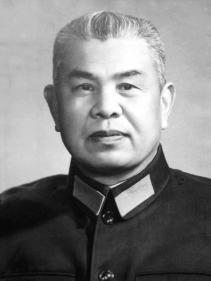
Liu ronghui
Experience the peasant movement in Hunan
My father is from Cha ‘en Temple in Xiangtan County, Hunan Province. He was born in 1908. He grew up in a poor family and only studied for three days.
My father’s experience of participating in the revolution was a microcosm of the vigorous peasant movement in Hunan at that time, which rose and fell with the rise and fall of the peasant movement. What Chairman Mao said in the famous Investigation Report of Hunan Peasant Movement is almost exactly the same as that in his father’s hometown.
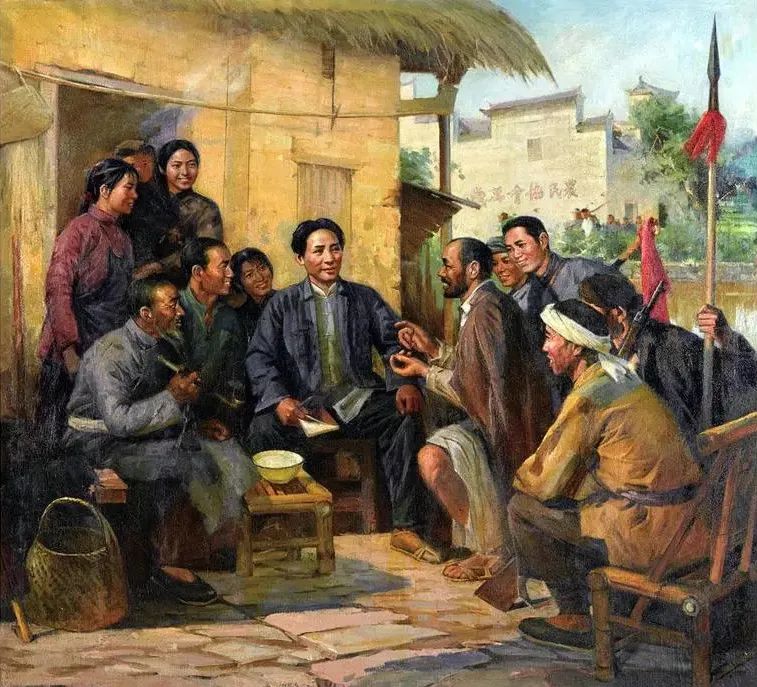
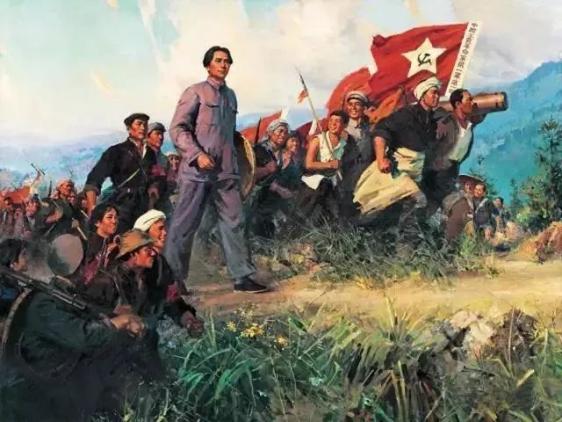
The oil painting "Mao Zedong inspects Hunan peasant movement" is painted by Xu Baozhong. From January to February, 1927, Mao Zedong made an investigation on the peasant movement in Xiangtan, Xiangxiang, Hengshan, Liling and Changsha in Hunan, and on this basis, he wrote the Investigation Report on the Peasant Movement in Hunan.
Father recalled that their hometown "had a self-defense force in 1925 and a Red Guard in 1926. In 1926, the Northern Expeditionary Army came to our place. It was the Eighth Army of Tang Shengzhi, a revolutionary army. At that time, the team was not bad, and the discipline was much better than that of the northern warlords. At that time, I also took part in the peasant movement, holding a red tassel gun, a shotgun and a broadsword, which were weapons … We set up the Red Guards to divide the land and fight local tyrants and evil gentry, which reached a climax in the autumn and winter of 1926. The Red Guards lived in the landlord’s house. Landlords in the south still have plenty of food and houses at home. There is a mountain village behind the landlord’s house, where many long-term workers are hired and pigs are fed. We will open a warehouse to save the poor. "
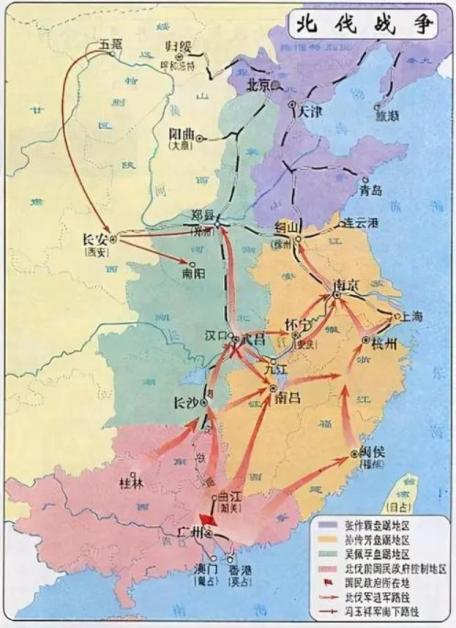
Schematic diagram of the March of the Northern Expedition. In May 1926, the Ye Ting Independent Regiment with Communist party member as the backbone, as the pioneer of the Northern Expedition, went to Hunan, which opened the prelude to the Northern Expedition.
In July, 1926, after the Northern Expeditionary Army entered Hunan, the farmers’ association entered the public period from the secret state, and the farmers’ movement developed rapidly. The first peasant congress of Hunan Province was held in Changsha on December 1, 1926, which marked the heyday of Hunan peasant movement and became the center of the national peasant movement during the Northern Expedition. They set up peasant associations and peasant armed forces. Politically, we will crack down on local tyrants and evil gentry and form a political situation in which all power belongs to the peasant associations. Economically, we should open warehouses and release grain, and carry out the struggle of reducing rent, interest, tax and mortgage. In the transformation of social system, all feudal patriarchal clan systems were attacked, and activities such as banning smoking and gambling, cutting off wages, getting rid of superstitions and eliminating bandits were carried out, which made a new atmosphere appear in rural areas.
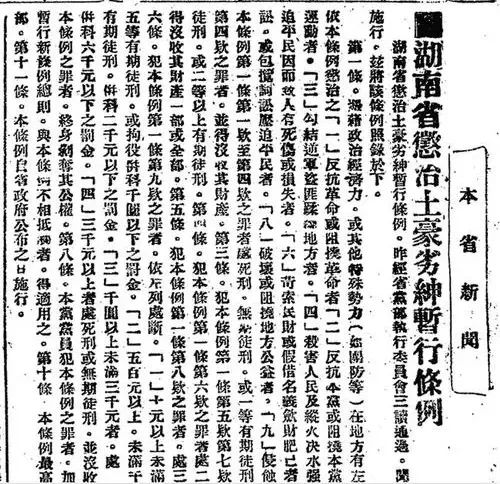
On January 29th, 1927, the Provisional Regulations on Punishing Local tyrants and evil gentry in Hunan Province, drafted by Xie Juezai, was published in Changsha Ta Kung Pao.
Ma Ri incident happened on the night of May 21st, 1927. Xu Kexiang, a reactionary Kuomintang officer, led the rebels to attack revolutionary organs and organizations such as the Hunan Federation of Trade Unions, disarmed the workers’ pickets and peasant self-guards, and released all local tyrants and evil gentry in custody. More than 100 people were killed in Communist party member, the left wing of the Kuomintang and the workers and peasants. After Ma Ri incident, reactionary troops and vigilantes in various parts of Hunan Province responded to the news, massacred the backbone of the agricultural movement everywhere, destroyed the group led by communist party, and killed tens of thousands of people near Changsha within 10 days. The revolutionary situation in Hunan turned into a low tide, and the peasant movements in various parts of Hunan were destroyed and the peasant self-defense forces were suppressed.
My father couldn’t stay in his hometown any longer, so he had to flee to Wuhan to catch up with the Wuchang Guard Corps to recruit soldiers, and became a soldier. Fortunately, the Wuchang Guard Corps is an armed force controlled by the Communist Party of China (CPC), its head is Communist party member, and its battalion cadres and even platoon cadres are all held by Communist party member. From then on, my father embarked on the revolutionary road, from Jinggangshan to Ruijin, and made a 25,000-mile long March to northern Shaanxi. Until the national liberation, he never returned to his hometown for more than 20 years.
Take part in the autumn harvest uprising
My father’s Wuchang Guard Corps is called "Guard Corps of the Second Army General Command of the Fourth Army of the National Revolutionary Army", which was established by Zhang Fakui in June 1927. Because it was stationed in the courtyard of Wuchang National Government (the old governor’s office), it was called Wuchang National Government Guard Corps or Wuchang Guard Corps.
Late at night on July 31, 1927, Wuchang Guards received two telegrams: one was sent by Zhou Yiqun who participated in the Nanchang Uprising, calling for him to go to Nanchang to participate in the Uprising; The other letter was sent by Zhang Fakui, a warlord, ordering him to hurry to Jiujiang and act with the headquarters of the Second Army.
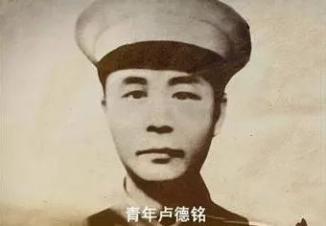
Lu Deming, head of the regiment, immediately studied with Han Jun, chief of staff of the regiment, and Xin Huanwen, instructor of the regiment, how to respond to the orders of the Nanchang Uprising. The problem is that the Wuchang Guard Corps has a great goal and is stationed in Wuchang, which is heavily controlled by the Kuomintang. How easy is it for such a large team to leave Zhang Fakui’s command and openly embark on the revolutionary road? Finally, they agreed to take a boat to Jiujiang under the cover of carrying out Zhang Fakui’s orders, and then quickly leave Zhang Fakui and turn to Nanchang. So Lu Deming replied to Zhang Fakui and asked for a ship.
Father said: "At that time, we only knew that the team was leaving, and we didn’t know what to do. Before starting from Wuhan, the team marched in four columns, carrying guns, and practiced neatly. They also shouted slogans such as’ Down with imperialism’,’ Down with Chiang Kai-shek’,’ Confiscating all the property of imperialism’ and’ Recovering the Concession’. " In the middle of the night of August 1st, more than 2,000 officers and men of Wuchang Guard Corps set out from Wuchang and set sail in the early morning of August 2nd. At the moment, they didn’t know that the uprising in Nanchang had started a day ago, and it was only halfway that they learned that the uprising troops had withdrawn from Nanchang to the south. It was impossible to meet the uprising troops, and Zhang Fakui’s troops were blocking Jiujiang, so they changed their plans and started to dry (land) in Huangweikou, Yangxin County, Hubei Province.
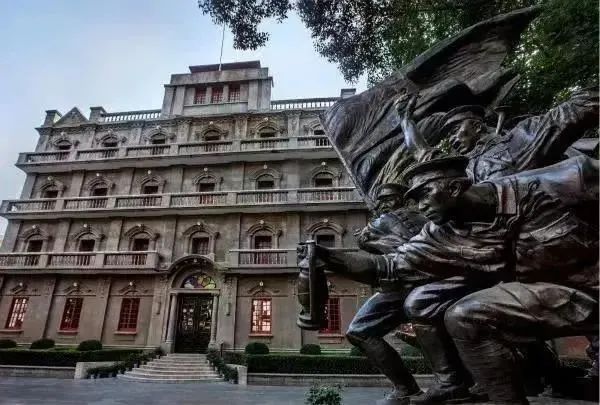
Nanchang uprising headquarters former site
My father told me: "At that time, the troops were flying the blue sky and white flag, and the Yangxin County yamen also lined up to welcome us. Not long after he stayed in Yangxin, he set out from Yangxin to Xiushui in the north of Jiangxi, driving away the local militia and reactionary forces and joining the agricultural troops in Pingjiang, Liuyang and Tonggu. The troops are repairing water to rest. "
According to the instructions of Hunan Provincial Party Committee, Wuchang Guard Corps stayed in Xiushui to prepare for the autumn harvest uprising on the Hunan-Jiangxi border led by Mao Zedong. The Autumn Harvest Uprising no longer followed the designation of the National Revolutionary Army, but unified the uprising troops into the first division of the First Army of the Workers and Peasants Revolutionary Army, which had three regiments under its jurisdiction: the first regiment was organized with the former Wuchang Guard Corps where my father was located as the main force; Anyuan workers and farmers’ self-defense forces in Pingxiang and other places were organized into the second regiment; A battalion of the former Wuchang Guard Corps and the workers and peasants armed forces in Liuyang were organized into the third regiment. There are about 5000 troops participating in the uprising. In addition, before the uprising, a regiment armed by local bandits was incorporated.
The Autumn Harvest Uprising was painted by He Conde, Gao Quan, Ji Xiaoqiu and Chen Yuxian.
In accordance with the order of Hunan Provincial Party Committee that "the troops stationed in Changsha on the 16th of this month in the Gregorian calendar will seize the provincial capital", the autumn harvest uprising troops specifically deployed the action plans of various regiments with the goal of seizing Changsha.
On September 9, 1927, the Autumn Harvest Uprising broke out as planned. Because the enemy was strong and we were weak, the actions of the three regiments were all frustrated after the uprising, and the incorporated bandit armed forces took the opportunity to defect and ambushed us. There are only more than 1,600 people left in the uprising troops of more than 5,000 people. Mao Zedong decided to stop attacking Changsha and meet Wen Gu City in Liuyang County.
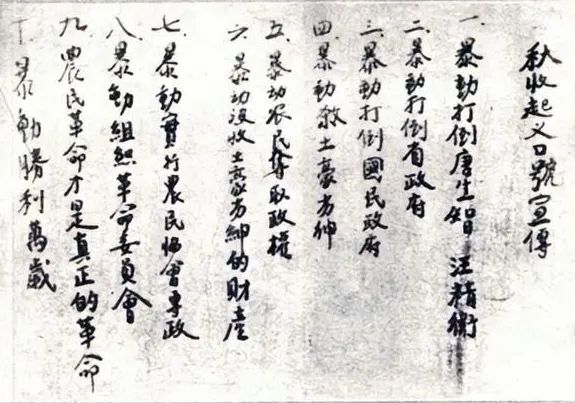
Autumn harvest uprising slogan
Follow Commissioner Mao to Jinggangshan
On September 19th, various uprising troops arrived in Wenjia City, Liuyang County. That evening, in an ordinary classroom of Liren School in Wenjia City, Mao Zedong presided over a former enemy committee. According to the situation that the enemy is strong and we are weak, the meeting changed the plan of attacking Changsha, and decided to preserve our strength and turn to the countryside where the enemy’s ruling power is weak to persist in armed struggle and develop revolutionary forces.
China’s armed struggle, from attacking big cities to marching into the countryside, is a decisive new starting point in the revolutionary history of China.
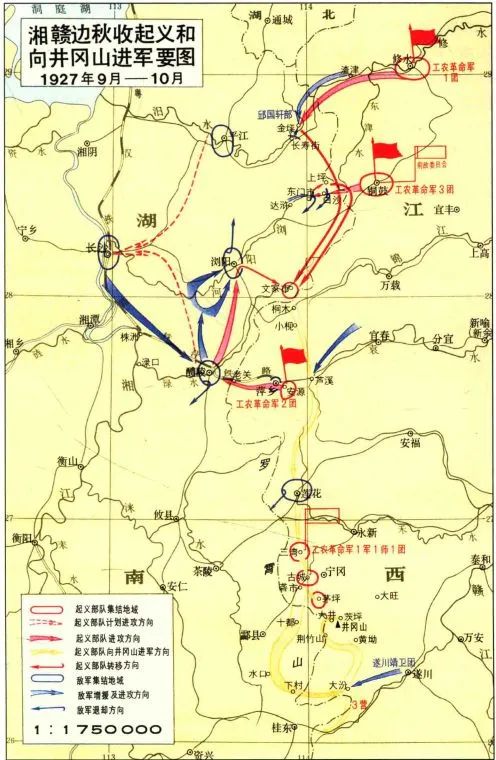
Autumn Harvest Uprising and March on Jinggangshan
Early the next morning, Mao Zedong announced his decision to withdraw troops from Gannan to the commanders of the whole division on the playground of Liren School in Wenjia City. He said confidently: victory or defeat is a common occurrence in military strategists. We are still weak, just like a small stone, and we will break Chiang Kai-shek’s big water tank one day.
My father recalled the scene at that time: "The troops arrived at a temple or ancestral hall in Wenjia City, or maybe the ancestral hall was transformed into a school. Mao Zedong told us a story. This is the first time I have met Commissioner Mao. He wears a robe, an umbrella, long hair and sandals. The guards were educated by the Kuomintang, and the battalion commanders wore big riding boots, which made them look very proud, and the troops were neat. We were surprised to see a common people come here to speak, wearing a robe, a pair of sandals and such long hair. We talked quietly, who is this? Later, I learned it was Commissioner Mao. Chairman Mao is a revolutionary, a famous peasant movement and a leader of the Party. The main content of Chairman Mao’s speech is to talk about the situation, why we can’t attack big cities when the enemy is strong and we are weak, and also emphasize that the revolution is bound to be arduous and will encounter setbacks, but it will certainly win. Chairman Mao’s speech is very interesting, and we are very willing to listen. "
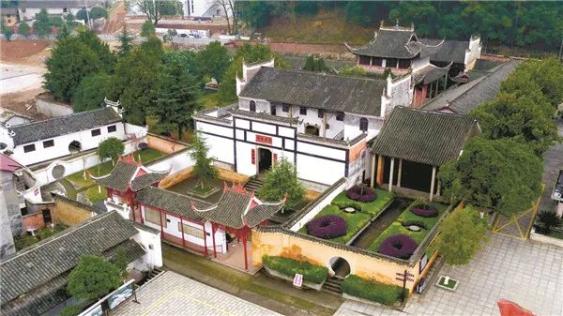
Autumn Harvest Uprising Wenjiashi Joining Forces Former Site
On the morning of September 20th, more than 1,500 uprising troops left Wenjia City and headed south. On September 23, the uprising troops were ambushed by reactionary troops in Luxi town, losing hundreds of people. The commander-in-chief Lu Deming died in this battle.
On September 29th, when the uprising troops arrived in Sanwan Village, Yongxin County, there were only less than 1,000 people left. Their morale was low, soldiers were constantly fleeing, warlords had serious habits, their organizations were not perfect, and their thoughts were quite chaotic. At that time, the army did not establish grass-roots party organizations, and the party could not effectively grasp the army; The influence of hiring troops is still serious; Coupled with the defeat in battle, continuous marching and hard struggle, some people who are not determined began to waver.
On the evening of his arrival in Sanwan, Mao Zedong presided over a meeting of the former enemy committee and decided to reorganize and adapt the uprising troops. The first division of the former First Army of the Revolutionary Army of Workers and Peasants was reduced to the first regiment of the First Division of the Revolutionary Army of Workers and Peasants, and the whole regiment was reduced to seven companies with more than 500 guns. The party command gun was established, and the branch was built in the company; Political principles such as equality between officers and men and the establishment of soldiers’ committees.
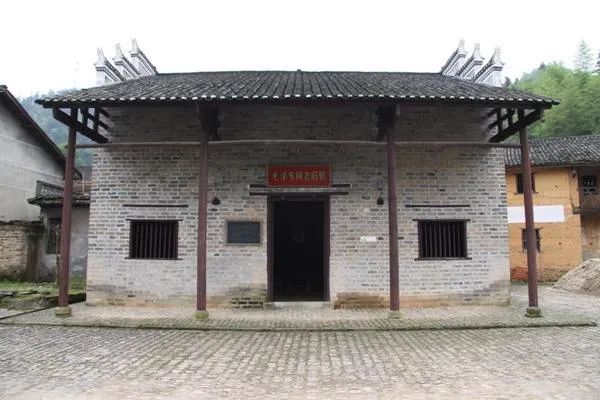
Sanwan Mao Zedong former residence
Father said, "After the trip from Luxi to Sanwan, Commissioner Mao spoke again, talking about the agrarian revolution, saying that we should not be afraid of warlords, local tyrants and evil gentry, and that our troops should make revolution and overthrow them. In Sanwan, it was proposed to fight local tyrants, but it was not explicitly proposed to divide the fields. It was not until 1928 that the fields were divided in Jinggangshan area. The Guards Corps lost many people in Sanwan. Most of the platoon cadres of the Guards Corps were Huangpu students. Some of them did not understand the revolutionary situation and were weak in revolutionary will, so they ran away one after another. Chairman Mao reorganized our army, farmers and Anyuan workers into the first regiment of the first division of the first army of China Revolutionary Army, and the flag of the army was changed from the right flag to the red flag. The Anyuan miners who have been replenished are relatively firm, and the gay revolution of the peasant self-defense forces is also very firm. "
On October 27th, several hundred members of the autumn harvest uprising troops led by Chairman Mao finally took to Ciping from Dajing, thus formally settling down in Jinggangshan. The cradle of China revolution and the first rural revolutionary base in China were born.
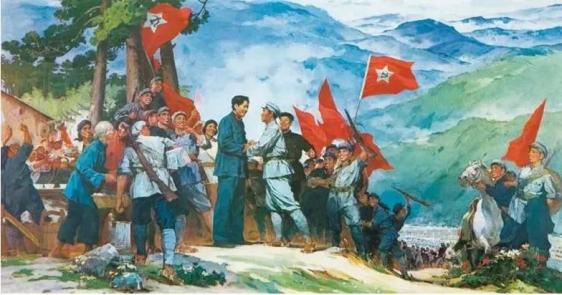
Lin Gang’s Painting of Jinggangshan Meeting. In April 1928, the autumn harvest uprising troops led by Mao Zedong and some Nanchang uprising troops led by Zhu De and Chen Yi joined forces in Jinggangshan, which strengthened the revolutionary force in Jinggangshan.
The struggle in Jinggangshan
During the Jinggangshan period, many battles were fought, and landlords and vigilantes harassed them constantly, hitting almost wherever they went. Chaling, Gaolong, Suichuan, Ninggang, Luoding, Yongxin, Long Yuan and Huang Yangjie won …
After Zhu Mao’s Red Army joined forces in Jinggangshan, great changes have taken place in the armed forces along the Hunan-Jiangxi border, which made the Kuomintang authorities fidgety. In mid-June, 1928, two divisions of the Kuomintang (KMT), whose teachers were surnamed Yang (Yang Chisheng and Yang Ruxuan), entered Long Yuan Kou and Ninggang in the south of Yongxin County.
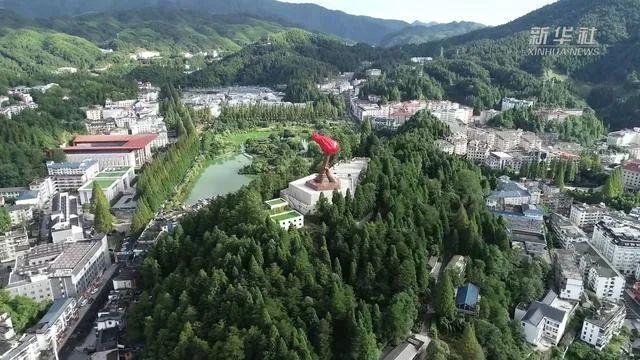
Jinggangshan today (Xinhua News Agency)
Father recalled: "Our 31st regiment blocked Qixiling. Qixiling is the main road from Ninggang to Long Yuan and Yongxin, and there is only one path to get up and down, which is a favorable terrain for blocking. The enemy is halfway up the mountain and we are on the mountain. It’s sunny and hot in summer. The enemy couldn’t rush out, so we couldn’t get down, and we froze. There are Woods on both sides, and the battle can’t be solved. Later, when the commander of Zhu De came, he also brought a javelin platoon leader, each with a sabre, a 20-round speed machine mauser gun, two grenades and four portable flower organ submachine guns. At that time, flower machine guns were very rare. In the future, there was a joke nickname in the Red Army, calling people with pockmarks’ flower organs’. Zhu De himself carries a mauser pistol and a leather bag, and wears sandals. After carefully examining the position, he organized the short gun platoon and launched a storm. Four bugles sounded the charge at the same time, and we attacked from the mountain, killing all over the mountain. The enemy couldn’t understand the situation. They were afraid when they arrived at the base area, so we shot them down. The 28th and 29th regiments under the command of Chairman Mao inserted into Long Yuan’s mouth from the side, and the front and side stormed together, and the enemy collapsed. "Beating two sheep (Yang) in Jiangxi without the Red Army’s effort" refers to this battle, which was proposed by Mr. Zhu, and we all knew it at that time. A lot of guns and ammunition were seized that time, and a large number of prisoners were also arrested. After the battle in Long Yuan, the troops no longer carried darts, shotgun and broadsword, but all changed into the captured "Hanyang made fast guns". Hanyang made’ has five bullets, and after it is finished, it will be loaded with five bullets. It will be hot to hit three or four barrels, and the heat dissipation technology is far worse than it is now. "
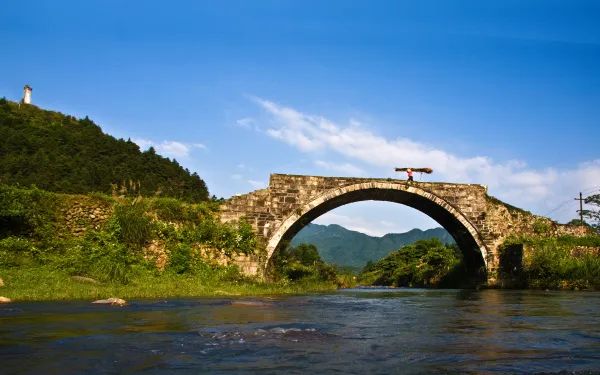
Long Yuan Kou Dajie happened.
With less than three regiments, the Red Army wiped out one enemy regiment, defeated one enemy regiment, and surrendered more than a thousand guns, and achieved a major military victory since Zhu Mao’s Red Army joined forces.
My father was injured five times in the war years, three of which were in Jinggangshan.
The Red Army is really happy to be a soldier.
Most of the troops in Jinggangshan are marching and fighting, and there is very little training time. Take time to train after a few days’ rest. During training, getting up and running in the morning, or doing gymnastics, or practicing shooting, assassination, etc., are somewhat different from those in the guard regiment. In Wuhan, it’s mainly about coaching, while in Jinggangshan, it’s mainly about exercising, practicing urgent marching, running and climbing mountains, engaging in assassination, shooting and aiming, and training from reality.
"Our group is a regular group, added some in Sanwan, and added some after Chaling. Most of these supplements are workers and peasants, who are more determined in the revolution. At that time, it was added in the morning, and there would be a war in the afternoon. The same is true of prisoners, who were captured yesterday and fought today. They also played well, were strong and brave. What is the reason? They know what revolution is, why it is necessary, and who it is for. At that time, the education in this field in the army was more prominent. I was so brave in the war because I set up such an idea in my mind, not for the landlords, not for the warlords and bureaucrats, but for liberation, for fighting for myself, for the poor and for myself. If we don’t hit people or swear, and the officers and soldiers are equal, our troops will be different from the Kuomintang troops, which will raise the awareness of farmers and prisoners. At that time, there was a popular song: the Red Army was really happy as a soldier, and all officers and soldiers were the same, and no one came to oppress people. The platoon leader and the company commander are all the same as soldiers. "
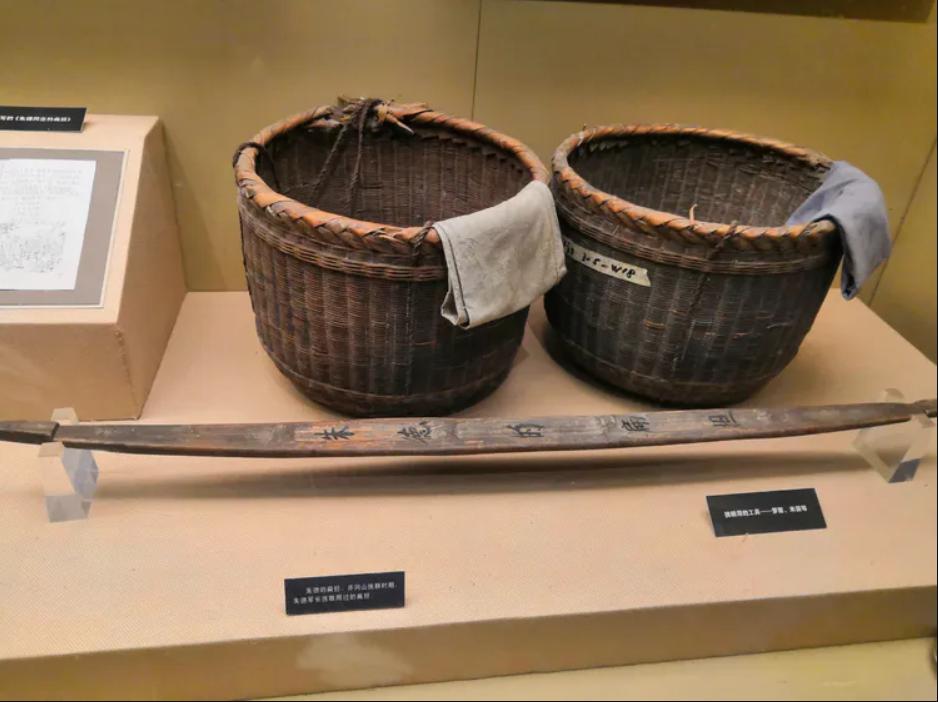
The story of "Zhu De’s pole" happened in Jinggangshan.
My father also recalled: "Our entertainment life is very simple. After eating, we play games, such as touching the blind, singing songs, cleaning up, and the soldiers’ committee announces meals. Although life is hard, it is very happy. As soon as you don’t fight local tyrants, life will be very hard. You will eat Redmi and pumpkin on the mountain. Although life is hard and food is poor, the soldiers are quite satisfied. Don’t feel bitter, because the officers and soldiers are the same, Zhu De and Mao Zedong are wearing sandals and eating in the same pot. Boss Zhu is approachable, and we often see him. When marching, he sometimes walks in front of the team, sometimes in the middle of the team, always carrying his leather bag and mauser pistol on his back. He often asks us, are you tired? Are you hungry? We replied, not hungry. Mao Zedong, Zhu De and Chen Yi are very kind and approachable. When they meet soldiers, they often ask about their families and themselves, when they came out and where they came from. Are they afraid of death in war? The soldiers answered freely, not afraid of death, and they wouldn’t come out if they were afraid of death. If I were at home, I would have died. "
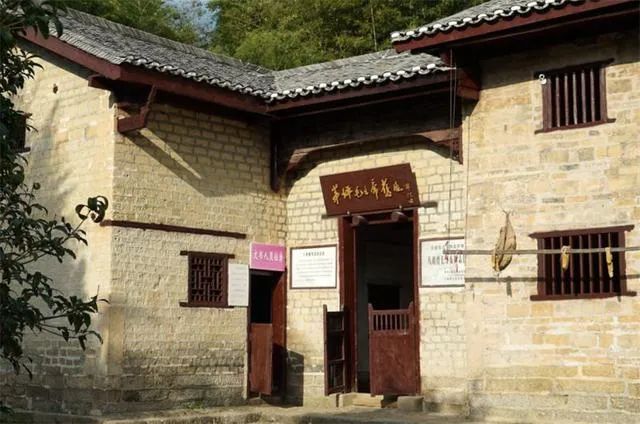
Former residence of Mao Zedong, Bajiaolou, Mao Ping Village, Jinggangshan
Regarding the cruelty of the war, my father said, "When we fight, our troops are very brave and are not afraid of death. When we fight, there are no invincible enemies. Kuomintang troops are afraid of death when fighting. At that time, the firepower was not that strong. The Red Army mainly relies on courage and tactics. At that time, all combat units in the army had flags, which were usually rolled up and unfolded when a war started. The army also issued a red armband and hung a red belt around its neck. As soon as the army set out, it was red when it started fighting. At that time, it was very simple and simple. The enemy killed us poor people too much, and we poor people bled too much. That’s how the red belt came from. The red flag is dyed with the blood of workers and peasants. When you see red ribbons, red armbands and red flags, you must remember to take revenge. "
Recalling the study and life in Jinggangshan period, "We have no books to study, and the lecturers have no formal textbooks, mainly taking political lessons, and sometimes conveying the contents of the superiors. At that time, cadres were a little educated, and even the platoon cadres were Huangpu students. Later, they gradually became less, because fighting would sacrifice them, and the troops also expanded. I was a monitor in Jinggangshan, and I was a platoon leader before I went down the mountain. At that time, the promotion of cadres was very fast. There were no cadres, not to mention no one. "
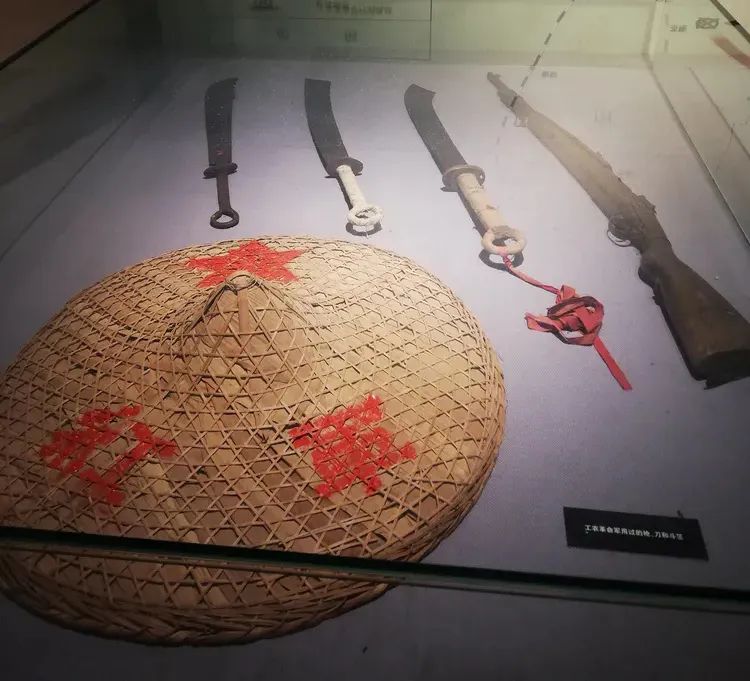
Weapons and hats used by the Red Army in those years.
"Xiaojing Hospital is located in a small rich man’s house in Xiaojing. After the troops from southern Hunan went up the mountain, they brought some medical personnel and some medicines. The head of the hospital is Duan Zhizhong, who is forty or fifty years old and has a full face of beard. He rode a donkey to Jinggangshan with the uprising troops in southern Hunan. Later, Ceng Zhi served as the party representative of Xiaojing Red Army Hospital. This hospital was a good hospital at that time, including internal medicine, surgery and pharmacy. There are Chinese and western medicine officers, and most of the medical staff are captured enemy medical staff. Treating the wounded and sick, adopting the method of combining Chinese and western medicine, can do simple surgery. "
My father still remembers the harsh medical conditions in the hospital: "The conditions in the hospital are very poor. There is no bed. At most, I use a board to build a shop, but I still sleep on the floor. I open the shop and spread some straw on the ground. There are no mats or sheets, and the quilt and straw are covered. When it is cold, we often make a fire to keep warm. The doctor squatted on the ground without a desk or stool to see a doctor and prescribe medicine. Most medical instruments are made of bamboo, such as tweezers for medicine. Splints are also made of bamboo and fir bark. Most of the medicines are herbs and Chinese medicines, such as Houttuynia cordata Thunb. After heatstroke, just eat some Houttuynia cordata Thunb and drink some cold water. The food for the sick and wounded is mainly Redmi, pumpkin and some vegetables. The standard of food is a little higher than that of the army. The army is five cents, and sometimes it is not. The wounded and sick have a dime. Sometimes something paid by local tyrants outside will often be sent to express condolences. Superior leaders often come to have a look. At the meeting, each casualty will be given a healing fee, with one yuan for minor injuries and two yuan or one yuan and fifty cents for serious injuries. Although oil and salt are few, they are guaranteed to be supplied to the wounded and sick. There are San Qian oil and five-money salt. "
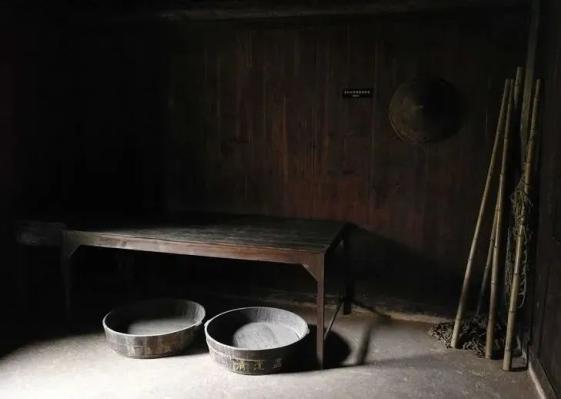
Interior of the former site of Xiaojing Red Army Hospital
Partial teacher relies on Huang Gonglue.
My father also told us about Huang Gonglue’s sacrifice.
Huang Gonglue was an early leader of the Communist Party of China (CPC), who participated in and led the Pingjiang Uprising. As for his sacrifice, the information available now is as follows: "On September 15, 1931, on the way to transfer the command troops, he was attacked by enemy planes, and he was shot several times and died heroically. He was only 33 years old."
My father was there, witnessed the whole process of Huang Gonglue’s sacrifice and participated in the rescue. The details of Huang Gonglue’s sacrifice told by my father have never been seen in all the materials I have consulted.
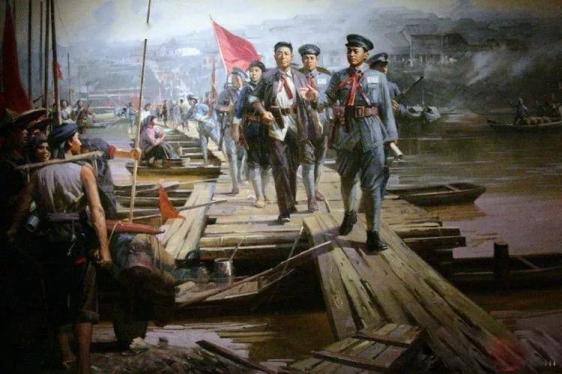
Xu Baozhong painted Pingjiang Uprising. On July 22, 1928, Peng Dehuai, Teng Daiyuan, Huang Gonglue and others led the Pingjiang Uprising and established the Fifth Army of the Chinese Workers and Peasants Red Army.
My father recalled: "Huang Gonglue was the commander of the Red Army and belonged to Peng Dehuai. During the third anti-encirclement campaign in September 1931, I worked as a medical officer and deputy director in the Military Medical Department of the Seventh Division of the Red Army. On September 15, when the troops went to Donggu, Ji ‘an, enemy planes suddenly flew in, like eight or nine planes. At that time, the plane flew very short and deliberately bullied us. Seeing the plane, the troops took cover on the spot. The ravine is not wide, mules and horses, and the burden of medicine is quite messy. There is a village below Donggu, but I can’t remember its name (the author’s note: it should be Liudu ‘ao). Huang Gonglue ran to the village, and it happened that our Seventh Division was also in that village. He leaned out to see if the troops were hidden, and the plane above clicked, and the machine gun hit him in the stomach and penetrated. Jiang Jixian and I gave him medicine together. Jiang Qixian used to be the lieutenant colonel and medical director of the Kuomintang army. During the three counter-campaigns against "encirclement and suppression", we ambushed them in Laoyingpan, just hit their guards, wiped out all their medicine burdens and guard troops, and captured them here. At that time, it was hard to find such a technician. To win him as our soldier, we needed such talents, so he went to the Military Medical Department of the Seventh Division of the Red Army. Huang Gonglue’s intestines are all flowing out. Let’s cover the intestines with an enamel bowl and buckle them on our stomach, wrap them with a whole piece of gauze, and then glue them with tape as wide as our fingers. At this time, Huang Gonglue’s mind was quite clear. At that time, he commanded three divisions of the Seventh Division, the Eighth Division and the Ninth Division of the Red Army. He appointed Xu Yangang, the commander of the Ninth Division, as the acting commander. If Huang Gonglue was operated on at that time, it would probably be better and he would not die. "
On September 19, 1931, at the Huang Gonglue Martyrs’ Memorial Conference, Mao Zedong personally presided over and wrote the elegy: "The riots in Guangzhou did not die, and the riots in Pingjiang did not die. Now they are sacrificed, and it is a pity that the disaster fell from the sky; Revolutionary wars are meritorious, guerrilla wars are meritorious, and you are brave all your life, so that you can teach future generations to follow your example. "
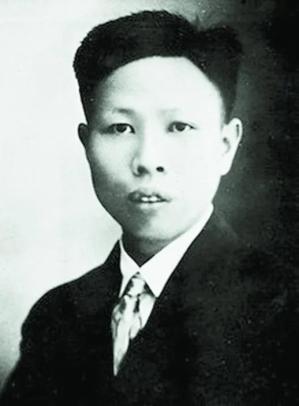
Huang Gonglue
After the war of bullets, my father continued to embark on the revolutionary journey. From red rice and pumpkin soup in the Soviet area to Wanshui Qian Shan on the Long March; From the anti-Japanese bonfire in the land of North China to the bloody struggle for the liberation of China. The people’s army has also grown from small to large and from weak to strong, forging into an invincible force!
Editor of magazine: Xu Xuan
New Media Editor: Lu Wentian, Shi Yu
All the manuscripts of this journal are original, please do not reprint them without authorization.
Original title: "Listening to Chairman Mao’s" Autumn Harvest Uprising "Speech and Witnessing Huang Gonglue’s Sacrifice: An Oral Record of a Red Army Veteran"
Read the original text