Editor’s note:In the face of aging, people can do nothing, but 60, 70, 80… … How old is "old"? Apart from white hair, wrinkles and presbyopia, what conditions remind you to start getting old? What diseases are often mistaken for the normal phenomenon of aging? Today, People’s Health Network will talk to you about "getting old".
What conditions remind you to get old?
Eyes get tired easily. Often dry eyes, I can’t see clearly at night, and I am sensitive to strong light.
Eat a lot. Because the saliva secreted by parotid gland is reduced, it is easy to dry mouth. Because of poor swallowing and chewing ability, facial muscle relaxation, eating is easy to choke, eating slowly, or complaining that food is cooked too hard, chewing often accidentally bites the meat on the inside of the cheek.
It tastes heavier than before. When people get old, taste buds decrease, olfactory cells degenerate, and food becomes tasteless. In particular, it is insensitive to sweet and salty feelings, cooking is easy to cook salty, and the acceptance of sweets becomes higher.
Blood pressure is higher than before. With age, the arteries tend to be hardened, narrow and less elastic, and the blood pressure will be higher than in the past. In addition, renal function naturally degrades with age, which affects the ability to excrete sodium, and blood pressure is more likely to increase due to salt spray.
Short in height and light in weight. When people get old, the intervertebral disc shrinks, the bone density becomes lower, and the speed of muscle loss becomes faster, and the water content of cells decreases, so the height and weight of the elderly will gradually decrease compared with the past.
After illness, recovery is slow. Immune function will deteriorate with aging. When injured, wound healing will be slower than before, and it will take more days for a cold to recover.
Go to the toilet longer and more frequently than before. Because of the weakness of intestinal muscles and the aging of intestinal nerves, people tend to have constipation and difficulty in defecation when they get old. In addition, when people get older, the bladder capacity will decrease slightly, and the secretion of hormones that regulate urine will decrease, resulting in frequent urination, especially the number of times to get up and go to the toilet at night.
Sleep habits change. Including falling asleep harder than before, sleeping less (usually getting up earlier), waking up easily at night, and needing to make up sleep during the day.
Often accidentally fall or almost fall. Because of bone degeneration, muscle strength decline, ankle joint mobility becomes smaller, when walking, you will unconsciously drag your heel, accidentally kick something or stumble.
Walk slowly. Due to the decline of cardiopulmonary function, muscle atrophy and lower joint activity, the pace will be smaller than before, and it is easy to get out of breath or feel tired when walking fast, so I want to stop and rest.
These conditions are often mistaken for aging.
1. Slight hand shaking. Nerve function will be slightly degraded when people get old. According to research statistics, 40% of people over the age of 55 will have symptoms of hand trembling. But more than 95% will not be serious enough to affect daily life. However, some hand tremors may be Parkinson’s disease. Generally speaking, Parkinson’s disease usually has symptoms such as stiff limbs and expression, slow pace and poor balance besides hand shaking. The body looks a little hunched, and hand shaking can happen at rest or during activities.
2. Poor memory and slow response. When you get older, due to the decrease of nerve conduction substances, your reaction will be slightly slower than before, your attention will be less concentrated, or you will occasionally forget something. But most of the time, memory will not become worse. If you find that your elders’ memory is obviously worse, such as repeating what you have said often, forgetting what happened a day or two ago, forgetting what you used to be familiar with, and showing bad temper and strange behavior, you should pay attention to the possibility of Alzheimer’s disease.
3. often fall down. Although due to insufficient muscle strength, reduced joint mobility, slow response, etc., the elderly will accidentally fall or trip. However, the unsteady pace may also be caused by problems in the nervous system of the brain, such as stroke and Alzheimer’s disease, which may cause disharmony between hands and feet and fall. Therefore, when an elder falls, it is necessary to confirm whether there is dizziness, headache, sudden muscle weakness and nerve paralysis when he falls.
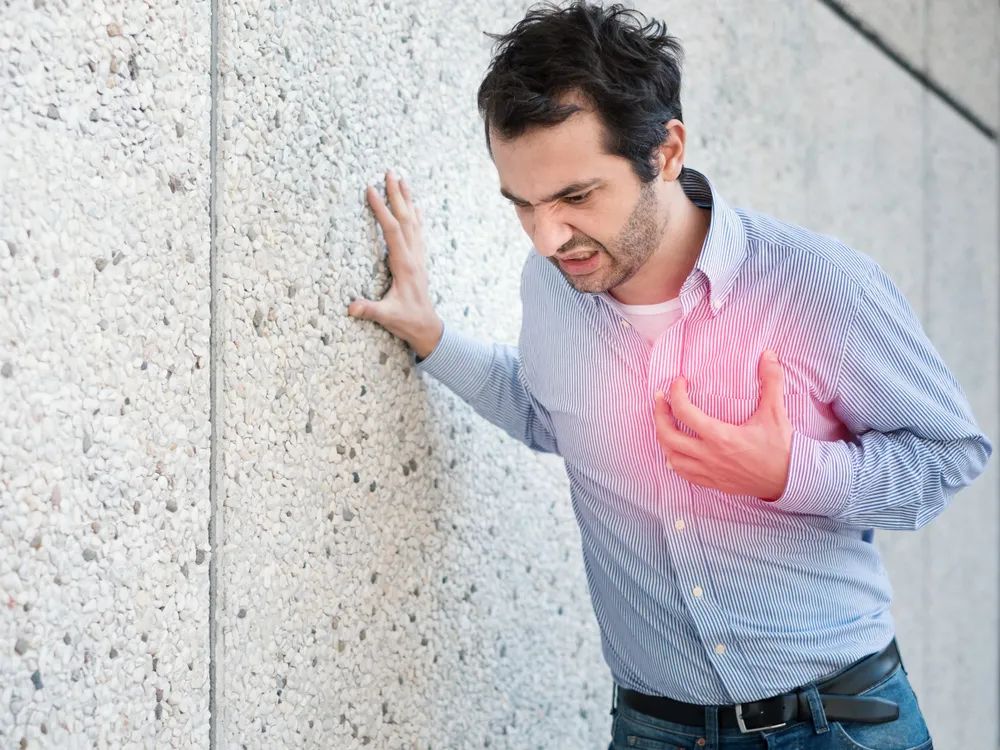
4. It is easy to get tired and gasp. When people get old, their physical strength and cardiopulmonary function become worse. Some old people are more likely to be tired or panting when they engage in activities they used to do, such as buying food, climbing stairs and shopping. But asthma and fatigue are also one of the symptoms of heart disease, so be alert. Especially for women, according to statistics, more than 70% of women with acute myocardial infarction have experienced asthma, fatigue, insomnia, indigestion and anxiety, but they have no chest pain. Therefore, if the elderly have asthma or fatigue, which does not appear after a period of physical activity, and has symptoms of shortness of breath, dyspnea, powerlessness and chest tightness, it is best to go to the geriatrics department or cardiology department for examination.
"Four-character Classics" for Health and Longevity
A contented mind is perpetual feast. Chinese medicine believes that "the spirit is internal, and the illness is always safe." A good attitude is a panacea for health and longevity. Old people should not have too many "greedy" thoughts, such as greed for wealth and power, greed for children’s company, and excessive pursuit of perfection. When people get old, they should learn to let go, take life events lightly and let nature take its course. Marx once said that a good mood can relieve physical fatigue and pain better than ten pairs of good medicine.
Don’t change your diet. The diet of the elderly should be low in fat and high in energy, with a small amount of meals, and follow the principle of miscellaneous colors, omnivores and miscellaneous grains. On this basis, try to choose your favorite food. If there are no obvious health disadvantages, don’t suddenly change your living habits for decades for the sake of so-called health. Of course, bad habits such as smoking and drinking must be given up.
Chat with friends. Studies have found that people with frequent social activities are 50% more likely to live longer. No matter how old you are, don’t break up with friends and relatives, but also make new friends. Playing chess, chatting and recalling the past are all good social content.
Moderate exercise Old people over 75 years old should exercise according to their abilities, and strenuous exercise is not recommended. It is advisable for the elderly to take a walk and hit Tai Ji Chuan, and keep a state of leisure and stop-and-go, so as to achieve physical and mental peace.
Return to society. Old people should cultivate hobbies, such as calligraphy, photography, travel, etc., and find pleasure in life. If your body permits, you can help others, do some voluntary activities, community services, etc., and help others while being happy.
Five great wisdom of dealing with life in old age
Emotional stability. In old age, people’s mental state is vulnerable and sensitive, the overall psychological defense mechanism and resilience are declining, and the emotional stability is not as good as before. Especially for the elderly who are chronically ill and just retired, they lack a correct understanding of the disease and their own situation, and they will have negative emotions such as boredom and complaining. There are also some old people who are naturally grumpy and unreasonable, like hedgehogs, and even play with children’s temper to keep people around them at a respectful distance. If you can’t reflect on yourself in time, you will easily be left out by your family and become a "loner", and your mood will get lower and lower. Emotional physical diseases such as anxiety, depression, heart disease and diabetes will take the initiative to find you.
People always need an ability, that is, to maintain a stable mood. A kind-hearted old man can always gather a large group of people around him. His grandchildren like his wisdom, his children can feel his selflessness, his wife is attached to his love, and his old friends are willing to talk with him. Such old people form a benign interaction with the circles around them, and their physical and mental health level is higher. In fact, the old man has experienced storms all his life and should have looked down on everything. Being grumpy is simply because you can’t let go of things other than fame and fortune, money and emotions. It is better to calm down, pay more attention to your physical and mental feelings, walk around, send feelings to the mountains and rivers, practice yoga and ask about meditation.
Determination. Some old people always have a mentality of "muddling along". For example, it is difficult to take the first step when you want to travel, and you are always worried about "what if you can’t walk" and "no one will accompany me". I wanted to cook braised pork, but I thought, "It’s just the two of us, it’s not worth it", so I made do with leftovers. I have been unwell for a long time, but I always feel lucky and think that I have nothing serious. I can’t make up my mind to do something because I haven’t realized the importance of it. When you really can’t walk, you can’t chew a piece of meat, and a minor illness drags you into a serious illness, it’s too late to regret it.
Old people need to learn to make up their minds to live a healthy and wonderful life in a limited time without leaving any regrets. Steve PaFeline, an American psychologist, once said that the key step in making up your mind is to take action. No excuses, no arguments, no lengthy analysis, no complaints about the hardships of the process, no worries about other people’s ideas, and no cowardly delays. Let’s make a wish list, sort it according to the degree of yearning, and start to do the first thing at once.
Control. Many times, frustration comes from some small sense of out of control. For example, I want to have a good sleep, but I always think about it. I want to talk to my children but I can’t get a response. I want to go out for a walk but I can’t control my body. From the psychological point of view, people grow up in setbacks, and they also leave a sense of "learned helplessness" out of control in the subconscious. The older you get, the worse your health is, and the harder your children’s wings are, the stronger this feeling of losing control becomes.
In fact, as long as the old people choose to change, they can regain control of their lives. First of all, admit the lack of control, and believe that we can gain some control through hard work. Secondly, you should not lose your hobbies, and set some detailed goals for your life, such as spending three months studying gardening and spending a year traveling around the five mountains. Once again, call on my wife and old friends to change together and supervise each other. Finally, control your emotions and often reflect. Always reflect, when you are anxious or depressed, write down what you want to say in your mind at that time, whether it is swearing or negative words, and look back every month to find the key points to manage your emotions.
Optimism. Studies at home and abroad show that optimism is the only commonality of long-lived elderly people. Older people with optimistic personality have stronger adaptability, healthier hearts and more flexible brains, and lower risk of cognitive impairment. When people are old, it is inevitable that there will be some minor ailments and pains. Some old people can be optimistic and smile at life, but some old people are pessimistic and worried, can’t eat well and can’t sleep. In the face of the illness or death of relatives around them, some old people are like a sore throat, talking about cancer. However, if you are in a state of anxiety for a long time, your body function and endocrine system will be out of balance, and as a result, you will "find a disease" without getting sick. In a sense, if you are optimistic, you can get better therapeutic effect.
In fact, the elderly should be an optimistic group. In the view of Mara Mather, a psychologist at the University of California, Santa Cruz, USA, when people are old, their gain and loss are weaker and they tend to become optimistic. However, nowadays, the impetuous society also embraces the elderly, which makes the gain and loss of the contemporary elderly more and more serious. Old people might as well give full play to their wisdom, read more books and newspapers, think more about themselves, look on the bright side and be an optimist.
Responsibility. An eight-year follow-up survey by Stanford University in the United States shows that the elderly who are cautious, careful, patient and responsible live the longest. In the hit drama "in the name of people", Chen Yanshi, the old attorney general, is still defending the rights of workers in Dafeng Factory at the age of 80. It is this sense of responsibility that makes him live his life and inject new impetus into his life.
Old people need to put their sense of responsibility on their bodies and families. If you are not feeling well, you should neither worry too much nor let yourself drift. You should go to the hospital for consultation in time. Old people have the responsibility to protect their physical and mental health, not to drag down their children, and to leave a wife to rely on in her later years. Retirees should put their sense of responsibility at home, instead of leaving their wives behind and going out to play cards, work and travel by themselves. Only by doing your duty to your family can you enjoy a happy old age.
Which of the seven living conditions of retired people has the longest life?
Love work. Doctors, teachers, researchers, writers and other professions "become more popular as they get older". There are many people who retire from these industries who love their work and want to exert their waste heat. Compared with young people, they have rich experience, solid skills and mature mentality, and are full of attachment to their beloved career. If you leave work completely, it is not only difficult for you to adapt for a while, but also a loss to society. Researcher Li Juan, director of the Research Center for Geriatrics Psychology, Institute of Psychology, Chinese Academy of Sciences, pointed out that the more people invest in their work, the harder it is for them to accept their retirement life. In particular, employees in the above industries are more prone to various psychological barriers after retirement, and men are more prone to psychological gaps than women. This is because men’s life focuses more on their careers, spend more time and energy on their work, and suddenly leave the post where they have worked for half their lives, and it is easy to lose their life goals and sense of accomplishment, resulting in a sense of loss. After retirement, such people can return to work through part-time, re-employment and consulting, and continue to shine in this industry. For example, Wu Daguan, the father of China aero-engine, is still active in scientific research at the age of 80; Academician Cheng Shujun mentioned earlier, Professor Hu Dayi, a famous cardiovascular expert, Professor Luo Kangxian, a leading infectious disease expert in Southern Hospital, and other medical experts also insisted on clinical and scientific research fronts. Because their self-worth has been realized and their lives have been enriched, these old people are full of energy and strong health. Experts remind that old people returning to work should adhere to the principle of "green leaves lined with red flowers".Encourage young people more, give more advice and help, make as few decisions as possible, and interfere in specific affairs.
Warm-hearted. Some people are naturally warm-hearted, lively, eager to organize activities, willing to lend a helping hand, and their popularity is excellent. After leaving the unit, my side suddenly became quiet, just like a lively drama came to an abrupt end, and my heart was empty. "People are social animals and cannot do without groups." Xiong Bijun, president of the Gerontology Research Association of China Academy of Social Sciences, pointed out that warm-hearted old people should not stay at home, but volunteer in the community to help their neighbors. There is a 93-year-old man in Xi ‘an, Shaanxi Province. After retirement, he set up a "Happy Camp" in the community, organized his peers to play bridge, chat at home, bask in the sun, and so on. He also made benches and tables by himself and provided tea. Nowadays, forty or fifty people attend every activity, and the elderly are in good physical and mental condition. By the way, let the old partners also set foot on the "health express". Old people in good health can also volunteer in charities, community rehabilitation centers and other places. A recent study shows that old people who are willing to help others are happier and live longer.
Hermit pastoral type. The older people get, the easier they are to feel homesick. This "home" is their hometown. Although I am old and my brain is not very flexible, the mountains I climbed, the rivers I crossed and the familiar local accent are still vivid in my mind. Li Juan said that Chinese has always had a cultural tradition of seclusion. Tao Yuanming, a writer in the Eastern Jin Dynasty, described the rural life of "planting beans in the south of the mountain, the grass is full of beans and seedlings are scarce, the morning is flourishing and the lotus is brought home", which contains the natural philosophy of being far away from the world and quietism, and can make the elderly who have been wandering for many years find the destination of their souls. Simple farm work such as raising chickens and growing vegetables can promote blood circulation, enhance physical fitness, clear your head and lay a good foundation for longevity. Many people will say that when I retire, I will go back to my hometown, but it often doesn’t come true. Therefore, if you already have a plan to retire to your hometown, you may wish to buy a residence and fields in advance, and at the same time have a regular physical examination to find relatives and friends who can take care of each other.
Unfinished dream. When I was young, my children were too young, I had too little money, my vacation was too short, and I couldn’t live without my work … … Older people always like to look back, and they will find that because of the above reasons, they have saved a lot of unfinished wishes. Otsu Hideyoshi is a hospice care practitioner in Japan. He listened to more than 1,000 patients’ "dying regrets", many of which were minor things that were unfinished when he was young, such as "not traveling where he wanted to go", "not doing what he wanted to do" and "not enjoying food". Life is like a tour group, it’s a pity not to go the whole way. If you really want to try to realize your dream and you are in good health, do it bravely and don’t leave regrets for your life. Allen Langer, a professor of psychology at Harvard University in the United States, once pointed out in an interview with Life Times that we have much more control over our physical and mental health than you feel. We should actively grasp the control over our own lives and discover those young "possibilities", so that our bodies can fully accept these challenges. Experts remind that once the elderly make up their minds to realize their unfinished dreams, they should turn their wishes into goals and add a "deadline" to make it easier to achieve them.
There is no end to learning. For the older generation, when they were young, the conditions were limited, and learning was a "luxury". "Some old people are curious, like to learn new things and are willing to learn new things, which is very good." Xiong Bijun said that foreign studies have found that curious old people live longer. Learning can delay mental decline, create more hobbies, help the elderly to strengthen interpersonal communication and enhance their sense of happiness and value. After retirement, with a lot of time, the elderly may wish to study computer, photography, calligraphy, painting and other more complex and brain-intensive skills in a planned way, or participate in the university for the elderly. A competitive old man should avoid comparison and learn knowledge. There is no need to pursue learning more and better than others.
Dependent on children. Many old people are inseparable from their children, either living together, helping to take care of their children and do housework, or going to their children’s homes from time to time to "inspect". Xiong Bijun pointed out that many long-lived elderly people live with their children, and the younger generation does their duty to take care of the elderly, and the elderly also try their best to assist their children and grandchildren. However, from a psychological point of view, parents and children should learn to "separate" and keep a moderate distance. If the "umbilical cord of affection" is always tied together, and the elderly often interfere with their children’s marriage life intentionally or unintentionally, it is easy to have family conflicts.
Introversion is so quiet. Some people are quiet and don’t like too much contact with others, so they hope to enjoy their old age quietly after retirement. Li Juan said, like quiet doesn’t mean living alone and doing nothing. Being alive is not just a number of years, but the quality of your life. If you feel "noisy" about taking children and keeping pets, you might as well plant flowers and grass at home, or learn calligraphy and cooking, see what nature looks like, feel the changes of seasons and listen to the call of art. Living at home for a long time, it is easy to get confused. TV is a day at a glance, and the meal is also "fooled". It is suggested that the quiet old people list their daily schedules, including getting up, sleeping, eating, exercising, reading, walking, etc., and strictly implement them, so as to enrich the quiet life. (People’s Health Network Comprehensive from Life Times)