Let every child rest assured of vaccination.

April 25th this year is the 30th Children’s Immunization Day in China.
Let every child rest assured of vaccination.

April 25th this year is the 30th Children’s Immunization Day in China. The theme is: Vaccinate according to law and enjoy a healthy life. Vaccine is used to prevent diseases in healthy people, and the first requirement of the state is safety. Before the vaccine is registered, it needs to undergo strict animal experiments and clinical research to ensure that it will not cause harm to the vaccinators. Before the vaccine is put on the market, a strict batch issuance system is implemented. Yu Wenzhou, chief physician of the Center for Immunization Planning of China CDC, said that only by ensuring the safety of vaccines can every child be safely vaccinated.

The vaccination rate of the national immunization program is 90%

Yu Wenzhou said that vaccination according to law is the right of every child. No matter in developed cities or remote mountainous areas, despite the differences in the environment of vaccination sites, every child can be guaranteed to be vaccinated safely in China. The vaccination work chain finally extends to the primary vaccination clinic through the district and county level CDC. Vaccination clinics are usually set up in community health service centers or township hospitals, which is the operation link of vaccination. Each vaccine will be vaccinated for school-age people in strict accordance with standardized vaccination procedures.

Since the implementation of planned immunization in China in 1978, the incidence and death of measles, whooping cough, diphtheria, poliomyelitis, tuberculosis and tetanus have been reduced by popularizing children’s immunization. In 2000, China was confirmed to be polio-free. In 2002, the neonatal hepatitis B vaccine was included in the national immunization program; In 2007, the national immunization program was expanded, and hepatitis A vaccine and epidemic cerebrospinal meningitis vaccine were included in the national immunization program, and 14 national immunization program vaccines prevented 15 diseases. In 1988, 1990 and 1996, China’s BCG vaccine, polio vaccine, DTP vaccine and measles vaccine reached the goal of 85% in provinces, counties and townships respectively. At present, the vaccination rate of the national immunization program with townships as the unit has reached the goal of 90%.

Cui Fuqiang, deputy director of the Center for Immunization Planning of China CDC, said that China has established a well-functioning reporting system for suspected adverse reactions of vaccination, and all vaccines currently used have monitoring and statistical data on adverse reactions. All kinds of vaccines used in formal channels are safe and effective.

Vaccine safety problems are directly "killed"

From research and development to injection to human body, a vaccine has to undergo strict safety management to play a role in preventing diseases. The quality standard of vaccine contains safety, effectiveness and other indicators. Vaccine production enterprises produce vaccines under the guidance of good manufacturing practice (GMP), and the State Food and Drug Administration conducts the strictest supervision on vaccine production and implements the batch issuance and release system.

Yang Xiaoming, director of the National Joint Vaccine Engineering Technology Research Center and chairman of China Biotechnology Co., Ltd., said that a vaccine has to go through at least 8 or even 20 years of research and development from research and development to marketing, and the vaccine has to undergo strict animal experiments and clinical research before it is registered, and the vaccine has to implement a strict batch issuance system before it is put on the market. Every link from research and development to production, if there is a safety problem with the vaccine, it will be directly "killed".

Many people believe that imported vaccines are more reliable and safer than domestic vaccines. Yang Xiao said that the revised version of GMP in 2010, which is followed by vaccine manufacturers, can be described as the "Chinese version" of EU GMP. In order to pass this certification, various enterprises have invested heavily, and Sinopharm Zhongsheng has invested nearly 10 billion yuan in hardware upgrade and management improvement. After the promulgation and implementation of the 2010 edition of China Pharmacopoeia, some imported live attenuated vaccines were withdrawn from the domestic market because of antibiotic residues or Vero cell DNA residue standards.

Japanese encephalitis is a disease spread by mosquito bites, which can cause brain inflammation. Vaccination is an effective preventive measure. The vaccine is independently developed in China and has independent intellectual property rights. It was approved by the former Ministry of Health in 1998 and has been used for more than 600 million doses so far, providing effective immune protection for hundreds of millions of children. This is the first vaccine to go abroad in China, the first China vaccine purchased by UNICEF, and the first time that GAVI adopted a vaccine from China to promote epidemic control.

"Fragile" vaccines undergo rigorous and challenging tests.

Because vaccines are sensitive to temperature, every link from the vaccine manufacturing department to the site where vaccines are used may fail due to high temperature. China has established a cold chain system to complete the operation of the vaccine, ensuring that the vaccine has proper refrigeration equipment in the whole process from production, storage, transportation, distribution to use, so that the vaccine is always kept in a prescribed cold state, ensuring that the reasonable titer of the vaccine is not damaged, and the vaccine will not fail due to temperature.

In fact, these seemingly "fragile" vaccines have undergone harsh and challenging tests. Only vaccines that pass challenging tests have a chance to get listed. Generally speaking, the challenge test of vaccine is to make the vaccine accept various harsh challenges such as temperature, light, vibration, repeated freezing and thawing, and even oxidation to see under what conditions it can still remain qualified. Challenge test of vaccine generally includes accelerated stability test and compulsory condition test of vaccine.

In April 2015, china food and drug administration issued the "Technical Guiding Principles for Stability Research of Biological Products", which clearly stipulated the requirements and standards for challenging tests of vaccines. Every vaccine should be challenged in the R&D registration stage before marketing according to this guiding principle. That is, the vaccine is placed at 37 degrees Celsius for a certain period of time (ranging from 2 days to 4 weeks) before it goes on the market. If the decline value of effective components (such as the number of live bacteria, virus titer or titer) is within an acceptable range, and the vaccine as a whole is still qualified, it can be judged that the vaccine is a qualified product, and then released for the market. China Institute for the Control of Pharmaceutical and Biological Products should also check the thermal stability of products when issuing vaccines in batches. The test results can be used as the basis for formulating the validity period and storage conditions of the vaccine.

"Safe vaccines are the most effective." Cui Fuqiang said that the vaccine made human beings take the initiative for the first time in the face of the threat of infectious diseases, and played an irreplaceable role in reducing mortality and improving life expectancy per capita. (Reporter Wang Junping) 

Jinan parking electronic scanning has loopholes. Parking Office: No specific error rate has been calculated.

  Recently, Ms. Han, a citizen of Jinan, encountered a strange thing. Her car was obviously parked in the unit parking lot on Qianfoshan South Road, but Ms. Han’s parking record appeared in Huaneng Road parking lot 10 kilometers away that day. After several inquiries, it turned out that it was caused by an error in the identification of the parking electronic scanning system, which mistakenly identified T in the actual parking vehicle license plate number as M in Ms. Han’s vehicle license plate number. The reporter learned that when the weather is bad, such as cloudy days, there will be more errors in the parking scanning system, reminding the public to pay attention to their parking bills in time.

  Surprise: the vehicle was charged 10 kilometers away.

  On October 14th, Ms. Han drove to work in the unit on Qianfoshan South Road as usual, and has been parking her car in the unit. However, in the afternoon, Ms. Han’s parking record appeared in Huaneng Road North parking lot 10 kilometers away, and 4 yuan’s parking fee was owed.

  Such a strange thing, if it weren’t for Ms. Han’s accidental "asking one more question" when parking, I’m afraid Ms. Han wouldn’t have found it by now.

  Ms. Han told the reporter that on October 24, when she casually asked the parking lot administrator in Jiefangge parking lot, "Is there any arrears for her car?" The parking administrator told Ms. Han, "There is a parking record in Huaneng Road North parking lot, the time is October 14, and there is a parking fee owed to 4 yuan."

  "The reason why I asked this question was because I paid special attention to my personal credit record. I just asked by the way at that time, and he did." Ms. Han said that if it weren’t for this casual question, the inexplicable deduction 10 days ago might have been fooled.

  The parking administrator’s answer surprised Ms. Han. "I was in the unit all day on the 14th, and my car has been parked in the unit. There is monitoring to testify. How can I have my parking record there? And it is still so far away, I have never stopped at Huaneng Road. " Ms. Han said, however, the parking administrator did inquire about Ms. Han’s parking record on Huaneng Road through the machine. "The administrator told me that I stopped there from one o’clock to three o’clock on October 14, and I didn’t pay the parking fee at that time. It was 4 yuan."

  Although there was doubt about the parking administrator’s answer at that time, Ms. Han handed in the "owed" 4 yuan money at that time, considering her personal credit information.

  Solution: the scanning system recognizes "CT" as "CM"

  Obviously, my car is parked in the unit all day, why does it inexplicably appear in the parking lot 10 kilometers away, and there is no parking fee? For this matter, Ms. Han always confirmed after repeated memories that she did not stop at Huaneng Road that day. "Is it that your car has been deck?" Ms. Han was so suspicious at first, but by inquiring about the illegal record of her vehicle, Ms. Han ruled out the possibility that the vehicle was deck.

  "I specially checked my illegal record and found that there are no other illegal records. If it is a deck, just to avoid parking fees, the illegal cost is too low. Then I think there may be a problem with the parking system. " Ms. Han told reporters. The next day, Ms. Han called the complaint phone number of Jinan Parking Group and wanted to ask a clear question.

  Through online inquiry, Ms. Han found the complaint hotline published by Jinan Parking Group: 0531-66690539, but what made Ms. Han angry was that the complaint hotline was dialed many times and no one answered. "I made that call for two days in a row and no one answered it. This call was published in the newspaper, but no one answered it all the time. Later, I tried to change the tail number and finally got through the phone. "

  Ms. Han introduced that after inquiring, the staff of Jinan Parking Group found that there was indeed a problem with the parking electronic scanning system. "At that time, the staff told me that there was a problem with the system, because my license plate number was followed by CM, but the license plate number of the car parked at Huaneng Road at that time was CT, and the system recognized T as M, so there would be my parking record."

  In addition, the staff of the parking group also told Ms. Han that there had been errors in the parking electronic scanning system before, but generally there were errors in the recognition between the letters O and D and the number 0, which was rare like Ms. Han.

  Question: Is the manual confirmation link a decoration?

  Regarding the problem reflected by Ms. Han, the staff of Jinan Parking Group admitted that there was an error in the scanning system and would return the 4 yuan money paid by Ms. Han to Ms. Han’s account, but when it could be returned, the staff of Jinan Parking Group did not give an accurate answer.

  "In fact, 4 yuan doesn’t have much money. The key is that I can’t call again and again for this 4 yuan money, can I? And the staff said they would report it to the top. Which top will they report it to? There is no apology in the whole process, and I feel that the attitude of serving us is not good. " Ms. Han said.

  What makes Ms. Han question most is how high is the error rate of the parking electronic scanning system? The difference between the letters "T" and "M" is so obvious, why does the system still recognize the error? "It’s understandable for you to identify 0 as O or D, but identifying T as M makes me doubt the error rate of the parking system. The staff said that the system has just been online, but it is not just online. It has been running for almost 2 months since September, and there will be such a low-level error."

  In addition, Ms. Han also said in an interview with reporters, "The staff said that the parking scanning system passed the two processes of machine identification and manual confirmation, so since there was manual confirmation, why did it go wrong? Has the parking group trained parking managers? Since the road public resources are handed over to them for management, are they also responsible for us? "

  Survey: The administrator said that everyone made mistakes, and the error rate was related to the weather conditions.

  Parking berths on both sides of Shanshi East Road have been using the parking scanning identification system to collect parking fees online since July this year, and it will be officially used on September 1. About 300 meters from Jingshi Road to the west gate of Shandong University of Traditional Chinese Medicine, there are two parking managers in charge of parking charges on both sides of the road.

  On the 29th, the reporter came to Shanshi East Road in this section and found that two parking managers kept patrolling the vehicles on both sides of the road. "From the time the vehicle enters the venue, we take two photos and then take another photo when the vehicle leaves the venue. During the parking period, we must take another photo every hour to keep the license. After taking the photo, the system will automatically identify the license plate number and transmit it to the system. The owner can scan the code or pay the fare online by himself." One of the parking managers said.

  The parking administrator told the reporter that the parking scanning instrument in his hand was uniformly equipped by the company. The reporter saw that when the parking administrator takes a picture of the parked vehicle, the scanner will automatically identify the license plate number of the parked vehicle and display the license plate number on the scanner. After the parking administrator confirms it, the license plate number will be transmitted to the toll collection system in the form of data.

  Regarding the recognition errors that may occur in the scanning system, the parking administrator told the reporter, "It is impossible to be 100% correct. Everyone has had system errors, and I have had them myself, but there are too many times when they can’t appear, so the company can’t find you." When the weather is bad, such as cloudy days, there will be more errors in the scanning system. "Especially when it rains on cloudy days, the data can’t always be uploaded, so we will input it manually."

  In this regard, many car owners ridiculed that since the parking electronic toll collection system has been fully implemented, both hardware and software should keep up. "Now the hardware is actually affected by the weather, and the manual confirmation link is often negligent, which makes people uneasy."

  Low on-site charging rate indirectly improves error rate.

  On a section about 300 meters east of Shanshi Road, two parking wardens kept patrolling back and forth, but one of them told reporters, "I still can’t take care of the vehicles."

  During the interview, a car owner who planned to leave the scene called the parking attendant from a distance. The reporter saw that at this time, the parking administrator took another photo of the vehicle that was about to leave, and after clicking the "Leave" button, the parking scanning instrument automatically displayed the parking time and parking fee of the owner, and the owner only needed to scan the QR code on the instrument to make online payment.

  However, the administrator told the reporter that there are not many car owners who take the initiative to greet the administrator to leave. "Inadvertently, there will be parked vehicles. You see, when I was taking pictures just now, a car from Hebei left." The parking administrator said, "The on-site charging rate is about 30%, and most car owners will leave without waiting for us to take photos, but car owners who leave by themselves can also pay their own fees after paying attention to WeChat official account. However, if it is not confirmed at the scene, it will make it difficult to find the error after it appears. "

  The parking office responded that the specific error rate was not calculated.

  For the situation encountered by Ms. Han, the reporter contacted a related staff member of Jinan Urban Parking Construction Operation Management Group Co., Ltd. The staff told the reporter that after the implementation of the electronic parking scanning system in Jinan, some problems of arbitrary charges in reality have been solved. In view of the situation encountered by Ms. Han, the staff will reply to solve the problem according to the process, and the company will refund the fees caused by errors in the scanning system in time according to the procedures.

  The staff member said that since the Jinan parking electronic scanning system went online, it has not encountered a similar situation, but there are indeed some letters and numbers that are wrongly recognized. However, when the system is wrongly recognized, the on-site parking administrator will make changes manually. "Overall, the error rate of the system is still relatively low."

  As for the error rate of the parking electronic scanning system, the staff said that there is no exact statistics at present. "The data in each district may be different. We don’t have a specific error rate yet."

In October, Sichuan accepted a total of 614 environmental protection reports, the most of which reflected air pollution.

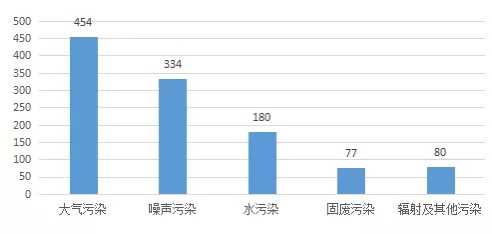
On December 3, the reporter learned from the Department of Ecology and Environment that in October this year, the province’s "12369 Environmental Reporting Networking Management Platform" (hereinafter referred to as "networking platform") received a total of 895 environmental reports, down 13.7% from the previous month and 36% from the same period last year. Of the reports received, 614 have been accepted. It is worth noting that the number of reports reflecting the types of air pollution is the largest, with a total of 454, accounting for 40.4%.

Why did you receive 895 reports and only accept 614? It turned out that there were 281 reports that were not accepted because the clues were unknown or did not fall within the scope of responsibility of the ecological environment department. In addition, according to the requirement that the report should be completed within 60 days, 608 reports accepted by the province in August 2019 should be completed in October 2019, and all of them have been completed.

The reporter combed the data and found that the number of online reports in the province increased by over 30% in October compared with September. In October 2019, among the reports received by the province, 273 were reported by the "12369" environmental reporting hotline, accounting for 44.5%; Wechat reported 253 cases, accounting for 41.2%; 88 cases were reported online, accounting for 14.3%. Among them, telephone reports decreased by 21.1% month-on-month and 12.5% year-on-year; WeChat reported a decrease of 9% from the previous month and a decrease of 33% year-on-year; Online reporting increased by 35.4% month-on-month and decreased by 38.5% year-on-year.

Problems reflecting the types of air pollution account for the highest proportion. In terms of pollution types, there are 454 air pollution problems, accounting for 40.4%; Noise pollution, water pollution, solid waste pollution, radiation and other pollution problems accounted for 29.7%, 16%, 6.8% and 7.1% respectively.

Among the air pollution complaints, the pollution problem of irritating gas emitted in the production process of pharmaceutical and chemical enterprises is more prominent, accounting for 8.4% and 7% of air pollution complaints respectively; Among the noise pollution complaints, there are many pollution problems that reflect the social life noise of accommodation, catering and entertainment and the construction noise, accounting for 11.7% and 8% of the noise pollution complaints respectively; Among the water pollution complaints, there are many pollution problems that reflect the disorderly discharge of manure from livestock and poultry breeding enterprises and the direct discharge of wastewater from agricultural and sideline food processing enterprises, accounting for 11.4% and 8.9% of the water pollution complaints respectively.

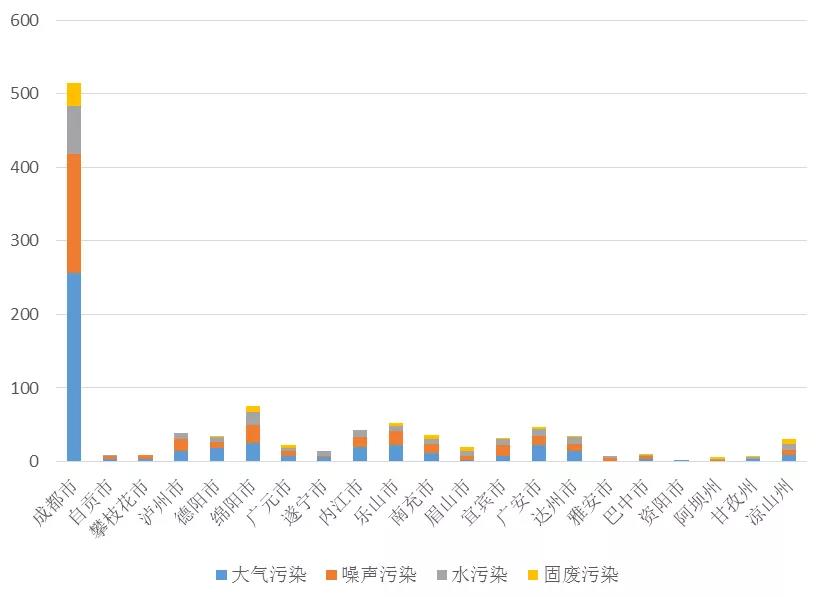
Judging from the reports of pollution problems in various places, Ziyang, Deyang and Chengdu report air pollution problems relatively prominently; Pollution reports in Zigong and Panzhihua mainly reflect the problem of entertainment noise at night; The pollution report in Ya ‘an mainly reflects the problem of industrial noise; The reports of water pollution in Suining, Ya ‘an and Meishan are more prominent, mainly reflecting the problem of industrial wastewater pollution. (Reporter   Yin Peng)

German researchers trace the origin time of angiosperms with ancient pollen.

  Xinhua News Agency, Berlin, May 22 (Reporter Chu Yi) With the help of ancient pollen sealed in fossils, a research team composed of Leibniz University in Hanover, Germany and Bonn University traced the origin of angiosperms back to 123 million years ago, 2 million years earlier than previously recognized. Related results were recently published in the Journal of the National Academy of Sciences.
.

  The research team found pollen fossils in coastal sediments of Lusitania basin in Portugal. Through the analysis of the test samples, the researchers identified a typical three-furrow structure from four kinds of microfossils, that is, there are three small furrows on the pollen shell. The researchers said that 72% of the existing angiosperms still retain this morphological feature, which is the key basis for identifying this group.

  In order to accurately date, the research team used relevant isotope dating techniques and biostratigraphic analysis to study mussel fossils in sedimentary layers. The analysis results not only advance the origin time of angiosperms by 2 million years, but also provide the most accurate and reliable evidence of the first appearance of dicotyledonous angiosperms so far. The study also shows that the geographical location of Lusitania basin shows that the early morphology of angiosperms was originally thought to have evolved only in the tropics, but in fact it may be more common in the middle latitudes than previously thought.

  Despite the above breakthrough, the origin mechanism of angiosperms is still an unsolved mystery in the scientific community. You Liya Glavin Dick, a professor at Bonn University, who is in charge of the study, said: "Since Darwin’s time, when and where the development (of angiosperms) began is still a big mystery in biology." In addition, the specific impact of plate movement and large-scale climate change on angiosperm development is still unknown.

[Editor in charge:

]

Fan Chunhai: Post-70s academicians span three fields.

Reporter | Chen Bing

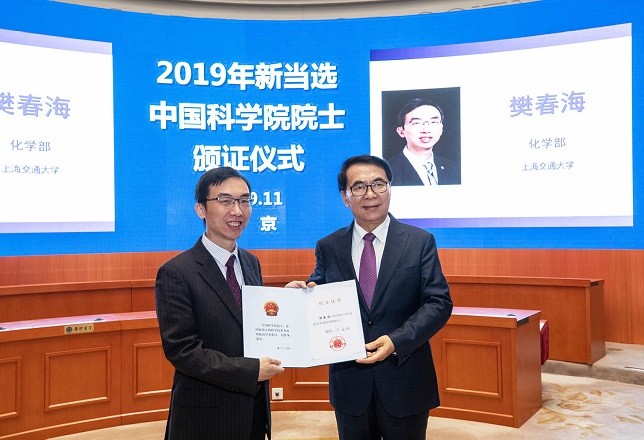
  26-year-old, Ph.D. in biochemistry and molecular biology from Nanjing University. At the age of 33, he was supported by the Outstanding Youth Fund of the National Natural Science Foundation of China. At the age of 42, the carrying team developed a new method for inducing nano-scale precise mineralization by DNA self-assembly structure and published it in Nature, which achieved the first major breakthrough in the field of DNA nanotechnology by China researchers. In the last seven years, he has been selected as one of the "highly cited scientists in the world". At the age of 45, he was elected as an academician of China Academy of Sciences, and he is currently the youngest academician in Shanghai.

  He is Professor Wang Kuancheng from the School of Chemistry and Chemical Engineering of Shanghai Jiaotong University and Fan Chunhai, Executive Dean of the Institute of Translational Medicine of Shanghai Jiaotong University, a cross-border scientist who spans many fields of chemistry, physics and medicine.

  Fan Chunhai’s current office is located in the Translational Medicine Research Center of Shanghai Jiaotong University. Next to the simple and bright office is a uniform laboratory. The experimental platform is filled with all kinds of equipment, and there are few other colors except black and white. All this just coincides with his character of dealing with people-determined, methodical and courageous. An interview with him by Xinmin Weekly was recently held in his office.

Establish the first international RNA nucleic acid detection standard
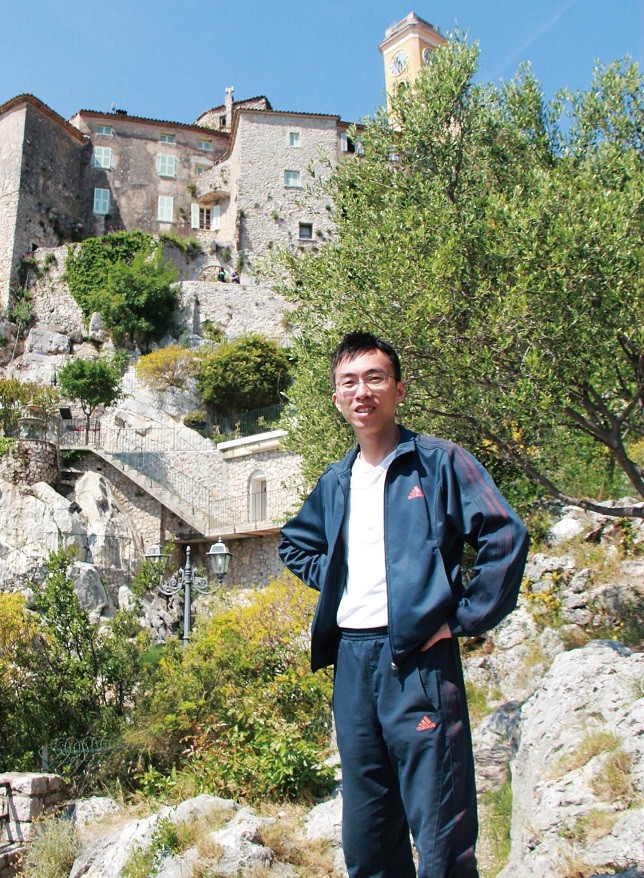


  Fan Chunhai, who was elected as an academician of Chinese Academy of Sciences in 2019, has been devoted to basic research fields such as DNA self-assembly, DNA storage and molecular machines, and has made remarkable achievements. In recent years, he began to focus on transforming basic research results into clinic and seeking well-being for human health.

  At the beginning of 2020, a sudden COVID-19 epidemic plunged the world into a great panic. It is one of the most effective means to quickly confirm the infected person by nucleic acid detection. Fan Chunhai, who has been dealing with nucleic acids for more than 20 years, is the hero behind this technology.

  Just after the Spring Festival in 2020, Fan Chunhai coordinated and organized the joint research team of Jiaotong University and Shanghai Institute of Metrology, and began to work hard day and night, finally overcoming the technical difficulties of unstable RNA reagents. After more than 40 days of unremitting efforts, the first international standard substance for RNA nucleic acid detection was established. Fan Chunhai said that this is like a weight on a balance, which requires a clear measurement standard. The latest research results of this joint research are provided free of charge by Shanghai Metrology Institute to many nucleic acid reagent manufacturers and medical institutions. A total of more than 1000 bottles of COVID-19 RNA standard materials were distributed to more than 100 units including Shanghai Customs, Shanghai CDC, Wuhan CDC, Ruijin Hospital and Shanghai Zhijiang Biotechnology Company.

  With long-term accumulation and team strength, the basic research results can finally be transformed into practical applications, and the key moment is to share the worries of the country and benefit the people. As a scientific research worker, Fan Chunhai feels gratified.

  At present, the Institute of Translational Medicine of Shanghai Jiaotong University, led by Fan Chunhai, carries the construction and operation of the country’s major scientific and technological infrastructure of translational medicine. He hopes that through this platform, more new methods of nucleic acid detection will be transformed into clinic, and early detection including infectious diseases and cancer will be realized through this platform.

  At present, middle-aged and older men in physical examination have been generally screened for prostate cancer markers. However, common physical examination indicators are often difficult to distinguish benign lesions from canceration. Fan Chunhai is exploring better tumor markers than common detection methods, which is expected to become a new generation of prostate cancer markers. At present, the research results of this new method for early screening of prostate cancer are being actively carried out in clinical trials with Renji Hospital.

  Fan Chunhai knows that there is a huge gap between basic research and clinical application of real medicine. His greatest hope is to build a bridge and fill this gap by transforming a national platform such as medical facilities.

DNA origami, a new use of DNA


  Another important basic research direction of Fan Chunhai is DNA origami.

  We are all familiar with DNA and know that DNA is the code of life, but you may not know that it can be knitted like a sweater and assembled like Lego. This technique is called DNA origami.

  Different from the traditional DNA assembly technology, DNA origami can controllably construct highly complex nano-patterns or structures by base complementation between a long DNA single strand and a series of short DNA fragments.

  In 2006, American scientist Paul Rothemund bent and folded a smiling face with a long DNA chain of 7,000 base pairs. Fan Chunhai was one of the earliest scientists who participated in the research of DNA origami. Also in 2006, he and Academician He Lin of Shanghai Jiaotong University constructed a map of China based on the principle of DNA origami technology, which became the second published achievement in this field.

  Now, scientists can use DNA origami to make our genetic material into various shapes, such as the national treasure panda. Fan Chunhai pointed out that in nature, DNA exists not only in the form of double helix, but also in various forms of DNA and RNA nucleic acid, including ring and rod. "We can think of DNA as a very soft wool. When it collides with hundreds of short-chain fragments and is assembled together, it can be woven into any shape we want just like wool."

  In Fan Chunhai’s view, the naming of DNA origami is a beautiful misunderstanding. "Americans don’t understand knitting sweaters. He thinks it is origami, so he named this technology origami. This is a wrong start, but it brings beauty and prosperity to an entire field. "

  It has been 15 years since 2006, and scientists’ DNA origami can also construct various nano-scale shapes from one to two and then to three, just like 3D printing. So, what can we do with these shapes?

  Fan Chunhai pointed out that in the macro world, one of the most useful materials for human beings is frame materials. Similarly, in the nano-world, coding the AGTC letters of DNA into some framework substances can make some biomolecules, such as nucleic acid itself, aptamers, antibodies, protein, enzymes and other substances live in the nano-house built by DNA framework. This is the latest definition put forward by Fan Chunhai-the framework structure made of DNA is called framework nucleic acid.

  This is a kind of artificially designed structural nucleic acid, whose size, morphology and mechanical properties can be programmed, that is, we can make it as fine as a bird’s nest by programming the four letters AGTC. With this home, we can provide structural support for elements such as nucleic acid, protein and antibody, so that we can do better early detection of cancer, do better cancer treatment, or provide better tools for the diagnosis and treatment of neurodegenerative diseases such as Alzheimer’s disease.

  In 2019, Fan Chunhai’s team summarized this academic thought in the journal Nature Chemistry. On the occasion of its 10th anniversary, it invited more than 50 international scientists to jointly write "The Road to Chemistry" to discuss the future challenging problems in the field of chemistry. Among them, Fan Chunhai’s challenging question in the field of chemistry is: "An exciting frontier of the discipline is to understand how artificially designed nucleic acid structures are assembled and play a role in living cells and animals. Creating new tools to control the assembly process of natural and artificial nucleic acid molecules in living cells will probably bring revolutionary changes to the field of nucleic acid chemistry, thus promoting the development of nano-diagnosis and treatment and precision medicine. In the longer term, another promising research direction is to explore and develop DNA or RNA robots with artificial intelligence and work in animals and humans. "

  Fan Chunhai’s team wrote an entry: We don’t use the genetic information of DNA, but its structural information, and use its three-dimensional structure to serve our life itself.

  After decades of hard work, people can now make a very complicated molecular machines. But as far as cells are concerned, these machines based on organic molecules cannot function on the surface of solutions or in human cells. Molecular machines’s protein is assembled and decomposed in cells in a highly conservative way, but it is difficult to achieve this level of intelligence by organic synthesis.

  At present, Fan Chunhai’s team has made an intelligent DNA navigator embedded with depth-first search program through DNA assembly technology. This means that DNA robots can solve mazes on the surface of two-dimensional DNA.

  In the latest research, Fan Chunhai’s team also developed an intelligent DNA nanorobot that can enter living cells.

  "It is still a dream to have a DNA nanorobot that can be used for treatment. I personally think that one day, we will have DNA-based machines, DNA-based self-assembly machines and DNA-based nano-robots to treat diseases in the human body, thus changing people’s views on diseases and diagnosis and treatment. "

How do cross-border scholars refine?
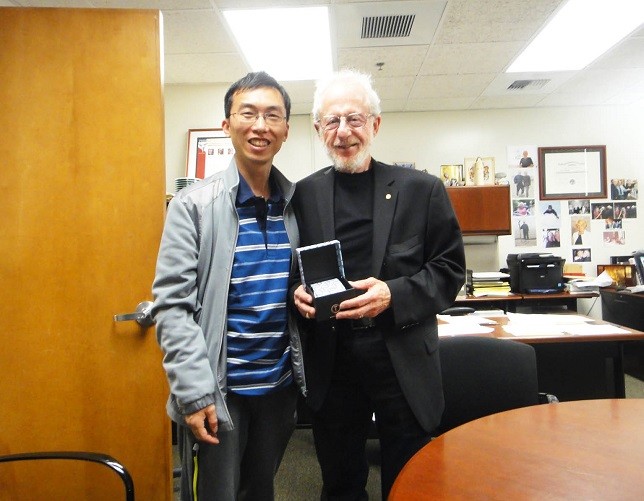


  In the results of the co-election of academicians of China Academy of Sciences, Fan Chunhai belongs to the Ministry of Chemistry; In 2019, he won the most influential award in the field of life sciences in China-the Tan Jiazhen Prize for Innovation in Life Sciences, and the work unit he chose after returning to China was the Shanghai Institute of Applied Physics of Chinese Academy of Sciences. The scope of "cross-border" seems a bit large. In this regard, Fan Chunhai’s explanation is: "The subject field and research direction are different concepts. My research direction has not changed for more than 20 years. I have been engaged in basic research on biosensing since I was a graduate student, just to explore the unknown world and need a broader vision. "

  In 1992, Fan Chunhai, who was preparing to take the college entrance examination, applied for the Department of Biochemistry of Nanjing University. "At that time, the choice of biochemistry was blind and I didn’t understand it at all. But I vaguely feel that biochemistry has both biology and chemistry. This name is cool! " Fan Chunhai recalled.

  When Fan Chunhai was studying at Nanjing University, there was a strong interdisciplinary atmosphere in the Department of Biochemistry. The slogan of the department was "If you can’t learn chemistry well, you can’t do biochemistry well". Zhu Dexu, one of the pioneers of biopharmaceutical technology research and development in China and the founder of heparin and urokinase industry, was then the head of the department, and Li Genxi, a doctoral student of China Academy of Sciences, the pioneer of the concept of life analytical chemistry and the founder of the State Key Laboratory of Life Analytical Chemistry, taught in the Department of Biochemistry. Fan Chunhai was guided by teachers during his graduate studies, and started at the intersection of two academic inheritance lines of biochemistry and life analytical chemistry, engaged in the research of electrochemical biosensors, which was a frontier interdisciplinary subject at that time.

  To keep advancing in frontier disciplines, we must know more about the international scientific research trends. "When I was studying, I often needed to read foreign literature. Unfortunately, the literature I saw at that time would lag behind at least half a year." Fan Chunhai came across an exclusive interview with Professor Alan Alan Heeger (winner of the Nobel Prize in Chemistry) of the University of California, Santa Barbara (UCSB) in Advanced Materials magazine. Haig said: After winning the Nobel Prize, I hope to do something I didn’t dare to do before, such as biology, especially biosensing is the most important thing. Fan Chunhai had a feeling of hitting it off, and immediately applied to Professor Haig for a postdoctoral position, which was finally recognized.

  After coming to the beautiful coastal city of Santa Barbara, California, Fan Chunhai discovered that Haig was actually a professor of physics, and he always considered himself a physicist. A physicist won the Nobel Prize in chemistry and then started to do biology, which made Fan Chunhai feel very shocked. Many years later, Professor Haig said modestly in a speech in China: "I knew nothing about biology at that time, and even the most basic knowledge such as DNA molecules was taught by Chunhai."

  The postdoctoral experience in Haig Laboratory made Fan Chunhai step into the frontier of interdisciplinary from a fledgling young researcher. "What impressed me most was that Professor Haig had a very broad vision of the problem, and he especially respected interdisciplinary." Fan Chunhai said that working in Haig’s laboratory requires multiple scientific research projects at the same time, which once overwhelmed him. "You just pick the most important thing to do." The tutor’s words made Fan Chunhai enlightened, and have always guided him to make judgments.

  Under the guidance of Professor Haig, Fan Chunhai has made some research progress, and related research work has been published in authoritative magazines such as Proceedings of the National Academy of Sciences (PNAS) and Journal of the American Chemical Society (JACS). Among them, an electrochemical DNA biosensor named E-DNA has been developed, which has been widely praised by international peers. American Chemical Society C&E News rated it as one of the important chemical progress in 2003.

  The postdoctoral experience has greatly broadened Fan Chunhai’s horizons and strengthened his confidence in interdisciplinary research. At that time, China was in the initial stage of discipline construction and needed a lot of new blood. In January 2004, Fan Chunhai joined sinap.

  Coincidentally, on the day of his entry defense, the Shanghai synchrotron radiation light source project undertaken by the institute was approved after ten years of hard preparation. This was the largest scientific research facility in China at that time, which attracted worldwide attention. That night, firecrackers exploded to celebrate. Fan Chunhai immediately decided to choose the Institute of Applied Physics and signed the contract the next day. Guided by what was later called "Shanghai Light Source Spirit", this internationally advanced synchrotron radiation light source was completed in only five years. In 2009, Nature magazine reported on the topic "China entered the world-class synchrotron radiation club".

  And these five years are exactly the five years that Fan Chunhai started from scratch and built the laboratory from scratch. Fan Chunhai, inspired by the spirit of Shanghai Light Source, hopes to do research work with the same international influence. Mr. Li Mingan and researcher Hu Jun of the Institute are early explorers in the cross-research of nano-biology in China. With their guidance and help, Fan Chunhai, combined with his own background in DNA research, gradually made it clear that DNA nanotechnology was the starting point to form research characteristics. This multidisciplinary research team, which integrates physics, chemistry and biology, has a unique interdisciplinary research atmosphere, which not only enables biosensor research to advance rapidly, but also broadens more frontier research directions.

  After years of accumulation, Fan Chunhai’s team developed a new method to induce nano-scale precise mineralization by DNA self-assembly structure, which significantly improved its mechanical properties under the premise of maintaining the exquisite design of DNA nanostructures, and opened a new door for the construction and analysis of bionic nano-channels. This work was published in the journal Nature in 2018, which achieved the first breakthrough of China researchers in the field of DNA nanotechnology.

  In this year, Fan Chunhai officially joined the School of Chemistry and Chemical Engineering of Shanghai Jiaotong University as Professor Wang Kuancheng. Fan Chunhai built the laboratory of "Framework Nucleic Acid Design and Nano-medical Diagnosis and Treatment" based on the newly completed national major scientific and technological infrastructure of translational medicine. Translational medicine facilities have gathered a group of experts from physics, chemistry, biology, medicine and even data science, because many new theories and technologies have emerged at the edge or intersection of disciplines.

  This is a new starting point and a new journey. Fan Chunhai hopes that on the basis of more than 20 years of basic research on biosensing, the developed new method of nucleic acid analysis will be transformed and applied in practical clinic, and the possibility of low-cost medical detection will be explored, which will provide convenience for "sensing life" and escort people’s health.

Curiosity brings innovation challenges.


  Fan Chunhai said that he was "not very clever" but "very curious". "Some people like to study one thing very much; There is another kind of people, such as me, who are curious and find this interesting and that interesting, so they do something overlapping. I once joked with middle school students. If you are not very smart, it is good to be an interdisciplinary subject, at least for me. "

  On the surface, it seems that interdisciplinary subjects need to know something about everything, more chemistry in biology and more biology in chemistry, but on the other hand, it is not easy to really do a good job of crossing. "In fact, you have to have a deeper understanding of both disciplines, not superficial, just content to cross it. It takes a long time to explain and solve the important problems of another subject with the content of one subject. It is easy to do it, but it is not easy to do it well. "

  At present, Fan Chunhai began to care about "semiconductor synthetic biology" again.

  The so-called synthetic biology, in fact, regards life and cells as a computer, which contains circuits, memories and CPU. On the basis of cell circuits, scientists make innovative drugs, functional materials and energy substitutes through artificial design. "Some people say that synthetic biology can realize artificial life. This is a revolution in scientific thinking of biology and a brand-new development of life science. In 2018, three pioneers of synthetic biology have won the Nobel Prize."

  Fan Chunhai said that the semiconductor synthetic biology was actually deployed by the American Semiconductor Alliance in 2013, representing the integration of information technology and biotechnology. After the road map of semiconductor synthetic biology was released in 2018, the relevant ministries and commissions in China felt very important and immediately organized personnel to start research. "It is a little later than the United States, but everyone thinks this is a very important thing and we should do it."

  It is found that DNA big data storage is the core issue of semiconductor synthetic biology in the roadmap of semiconductor synthetic biology. Subsequently, DNA big data storage, quantum computing, quantum communication, etc., as representatives of cutting-edge technologies, were written into the national "14 th Five-Year Plan", and the state indicated that it would speed up the layout.

  In 2020, the world’s data will be 44 ZBs, or 440 trillion bytes, and will reach 1,750 trillion bytes by 2025. In order to save these 44 ZB data in the world, the electricity consumption may be the power generation of the entire Three Gorges Dam, and in addition, the manpower, material resources, financial resources and land occupation that need to be paid are very big problems. 90% of such a large amount of data is "cold data" that is rarely called, but it must be saved. This is a great challenge for electronic storage, because the life of electronic storage technology can only be in the order of decades.

  Not only storage, but also transmission has become a huge problem. In 2019, the black hole data was released, forming a very beautiful black hole pattern. The data it collects in one night is 5 PB, and it takes 10,000 hard disks to save it. There is almost no way to transmit it by Internet, but to transport it by plane, which has surpassed our traditional understanding of data. With the increasing amount of data collected, how should the data be transmitted?

  Fan Chunhai said that under such challenges, DNA data storage has sprung up suddenly, and everyone thinks that the prospect is infinite, because DNA is the four bases of A, T, C and G. If it is synthesized, it is actually the process of encoding and writing information. With sequencing technology, information can be read and decoded.

  But in 1988, when someone proposed to use DNA to store information, everyone thought it was a scientist’s whimsy and could not see any application scenarios. In 2015, Microsoft first proposed to use DNA as information storage. In 2018, they realized 200 megabytes of storage for the first time. In 2019, Huawei announced the roadmap of Innovation 2.0 and proposed four technologies that will change the future, one of which is to invest in DNA storage and break through the capacity limit of data storage.
  "The data of 10 million hard disks can be saved with 50 grams of DNA and taken away with you. The data of 44 ZBs around the world can be saved with 200 kilograms of DNA." Fan Chunhai said that this is a completely subversive new technology that can meet the needs of data explosion. This technology brings ultra-high density, ultra-long service life, ultra-low energy consumption and super anti-interference ability. Of course, there are still great challenges in the realization of DNA storage technology, such as writing speed, writing cost and reading mode, but this is both a challenge and an opportunity.

  From macro to micro, many things that we seem to be just imagination are extremely challenging international frontier scientific topics in Fan Chunhai’s scientific world, which contain passwords that change our lives. In Fan Chunhai’s view, "science itself has no disciplinary boundaries. What technology you use, physics or chemistry, or nanotechnology, etc., is actually not so important. What is important is that you discover some new methods and use some new technologies to observe and decipher the mysteries of life." (Reporter Chen Bing) (This column is co-organized: Shanghai Science and Technology Popularization Volunteers Association)
Blood oxygen can’t get up all the time … The five words of the director are true.

Original Bai Ding Medical Respiratory Channel

* For medical professionals only.

Who is in the hands of this case may be a hot potato!

Walking by the river often will definitely wet your shoes.

The case I encountered really made me "wet my shoes".

According to the hospital practice, there are always several working days in the afternoon every week, and I have to attend the preoperative case discussion in several departments like a star.

This is a joint case.

The patient was transferred from Xiabian County Hospital. His age is not too big. He is about 40 years old, but he has been in bed for three years because of nasopharyngeal carcinoma and cerebral infarction.

Because of the femoral neck fracture, I had a femoral head replacement in the county hospital, and the femoral head slipped out after the operation. Ask a superior hospital expert for a second operation, and the result is prolapse again.

The patient’s wife, a salesman of an insurance company, has claimed compensation from the local county hospital for more than two months. Seeing that the Spring Festival was coming, the county hospital was going to celebrate the Spring Festival, so they transferred the patients to our side through the relationship.

The focus of case discussion is surgical indications and surgical risks.

The director of the joint department is a well-known expert in the military, and he has a very clear grasp of the indications for the operation: the tension of the constrictors in the thigh of the patient after cerebral infarction is obviously increased, which will inevitably lead to the prolapse of the femoral head after surgery, which is a contraindication for femoral head replacement, that is to say, the local county hospital has done an operation that should not be done.

The problem we need to solve is to relieve the pain caused by femoral head prolapse. The operation is very simple, just take out the implanted femoral head. After the operation, it is natural to send it to the intensive care unit (ICU) for monitoring. I asked my family members about their medical history in detail. Due to cerebral infarction, the patients could not take care of themselves before operation, so they could only eat some liquid food.

I particularly emphasized the problem of avoiding choking and aspiration after operation, and finally said: "This patient is a hot potato, and there have been medical disputes outside the hospital, so we have to be careful. Whoever falls on the hand burns who. "

Who knows, in a word, this sweet potato finally burned my hand.

The operation was very smooth, and the patient was sent to ICU as scheduled after the operation, with clear consciousness and stable vital signs. Because of the combined spinal-epidural anesthesia, the pillow was removed and the routine rehydration monitoring was performed after operation.

If there is no accident, I will be fine when I return to the orthopedic ward the next morning.

At 6:00 the next morning, my mobile phone rang, and it was the doctor on duty: "Director, come here too soon, bed 3 can’t breathe well!" "

Damn it! Bed 3, the hot potato, made my head grow big.

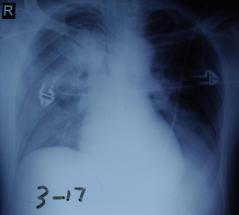
When I rushed to the department, the patient breathed more than 30 times per minute, and the pulse oxygen saturation dropped to 72%. The chest radiograph beside the emergency bed almost turned white in the whole right lung (Figure 1).

figure 1

Emergency tracheal intubation, ventilator support, the patient’s oxygen saturation gradually rose to 90%.

With a sigh of relief, I asked the reason of the problem in some flustered and frustratedly. The nurses on duty made it clear that the patient had been breathing smoothly before, without vomiting, and no vomit was found beside the bed. Looking back at the monitoring information, the patient did breathe smoothly before 6: 00, and the oxygen saturation was always 97%-100%.

Considering that the possibility of aspiration cannot be ruled out, I decided to have a fiberoptic bronchoscopy immediately.

Bronchial congestion and edema at all levels of the right lung, and no obvious food residue was seen.

In the absence of local anesthesia, the patient did not have obvious cough during awake tracheal intubation and fiberoptic bronchoscopy. I guess the patient’s cough reflex was weakened due to pseudobulbar paralysis of cerebral infarction, and gastric acid reflux and aspiration after operation led to aspiration pneumonia and respiratory failure.

So we used dexamethasone 5 mg to add normal saline to do right lung lavage while breathing support. At the same time, low-dose methylprednisolone 80 mg was given intravenously for 3 days, and antibiotics were used preventively to control lung infection.

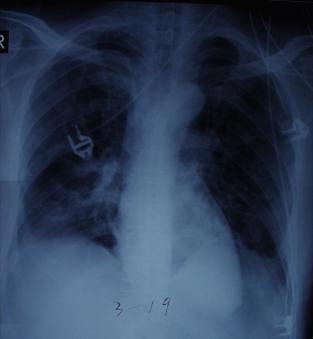
Figure 2

Two days later, the patient’s breathing condition improved obviously, and the right lung exudation was basically absorbed by the chest X-ray (Figure 2).

Just when everyone thought that they could go offline soon, the patient gradually developed severe breathing difficulties at around 16: 00 on the seventh day, and the support conditions of the ventilator were greatly increased, which had no effect at all. Even if pure oxygen was inhaled, the oxygen saturation could only be barely maintained at about 80%.

After trying to use various antiasthmatic and anti-inflammatory drugs, the patient finally saw a turn for the better at about 6: 00 the next morning, and the oxygen saturation gradually rose to 90%, and the number of breaths was not so urgent.

Everything seems to be returning to the good direction all morning, and the ventilator parameters can gradually drop to an acceptable range. Who knows that in the afternoon, at about the same time, like a weird "alarm clock" ringing, the same situation happened again.

Another night of rescue lasted until dawn.

On the third day, the "alarm clock" still arrived on time.

In the face of the accusations and doubts of patients’ families and the frustration and frustration of the team, I tried to dismantle this magic "alarm clock" for three days in a row.

Compared with a stack of doctor’s orders and special care sheets, I finally found some clues in a rotten hemp: fat emulsion injection!

On the seventh day, the doctor added 20% fat emulsion 250 mL intravenous drip qd because of the poor nutritional status of the patient and insufficient heat of nasal feeding liquid.

The execution time of fat emulsion basically starts around 12: 00 noon, and it takes about 3 hours, that is, it is completed around 15: 00. About 1 hour after fat emulsion infusion, the patient’s respiratory condition gradually deteriorated.

According to the instructions, the intravenous drip speed of fat emulsion is required to be no less than 4 hours, and our drip speed obviously exceeds the instructions. One of the adverse reactions of fat emulsion is respiratory symptoms, which is a bit like fat embolism syndrome after fracture. With the idea of giving it a try, I stopped using fat emulsion.

On the fourth day, in the anxious waiting, the "alarm clock" didn’t ring.

After more than 20 days, the patient was transferred out of ICU, and the medical dispute with the patient’s family was resolved according to the "routine" at that time after several months.

Since then, the department has made a rule that in the acute stage of lung injury, fat emulsion is not applicable in principle.

If intravenous nutrition is needed, adopt "All in one" mode, and there is no special reason to prohibit intravenous fat emulsion alone.

Hemingway’s For Whom the Bell Tolls says: The bell ring for you!

As a doctor, always remember that the alarm bell rings for me. Medicine has made progress in the review, and the lessons brought by mistakes have benefited each of us for life in a sense more than the joy of success.

postscript

The lesson of this case:

After spinal cord shock, patients with cerebral infarction will basically have increased muscle tension on the affected side, from flaccid paralysis to hard paralysis. Increased tension of adductor muscles can easily lead to femoral head prolapse from joint capsule, which is a contraindication for femoral head replacement.

Pseudobulbar paralysis has a very high risk of aspiration, so try to avoid lying flat for a long time after operation. If necessary, consider lateral position, or reserve gastrointestinal decompression to prevent aspiration.

Intravenous nutrition should avoid single infusion of fat emulsion injection, and pay attention to avoid fat precipitation when using "All in one" mode three-liter bag to prepare nutrient solution, so as to avoid complications similar to fat embolism syndrome. Intravenous infusion of fat emulsion alone is prohibited. It is forbidden to add any electrolyte components. Pay attention to controlling the infusion speed and use central venous catheter as much as possible to prevent superficial phlebitis. Pay attention to check the patient’s fat clearance ability during the use of fat emulsion.

Low-dose hormone lung lavage combined with intravenous application of low-dose hormone may be effective for aspiration pneumonia.

The abnormal situation that patients appear repeatedly and regularly must pay attention to the investigation of iatrogenic factors.

This article starts: medical respiratory channel

Author: Bai Ding

Editor in charge: Dai Dai Zhang Li

Copyright statement

This article is original, welcome to forward the circle of friends.

– End –

Read the original text

The choice of daily travel trust: Extreme Yue 01 solid chassis and Extreme Krypton 001 flexible driving control

Choose a car. What do we have to see? The most important thing is to sit comfortably and drive safely. There are many styles of cars on the market now, and they are dazzling. Speaking of which, are these two cars, Krypton 001, reliable and worthy of our trust?

?

?

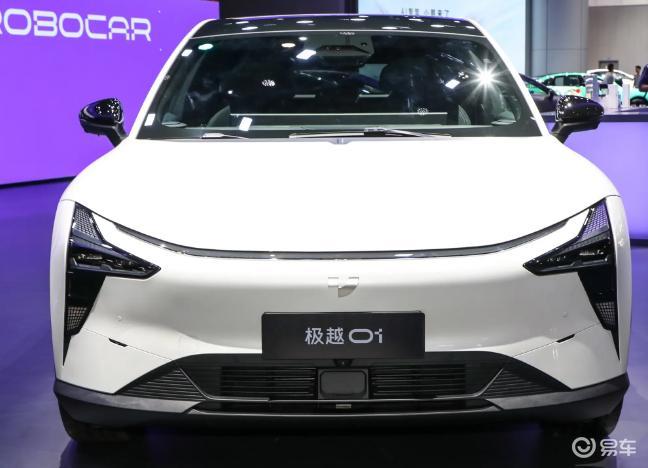
First of all, talk about the chassis, which is the key to determine the handling and comfort of a car. Extreme Yue 01 and Extreme Krypton 001 have made great efforts in chassis design, but each has its own advantages.

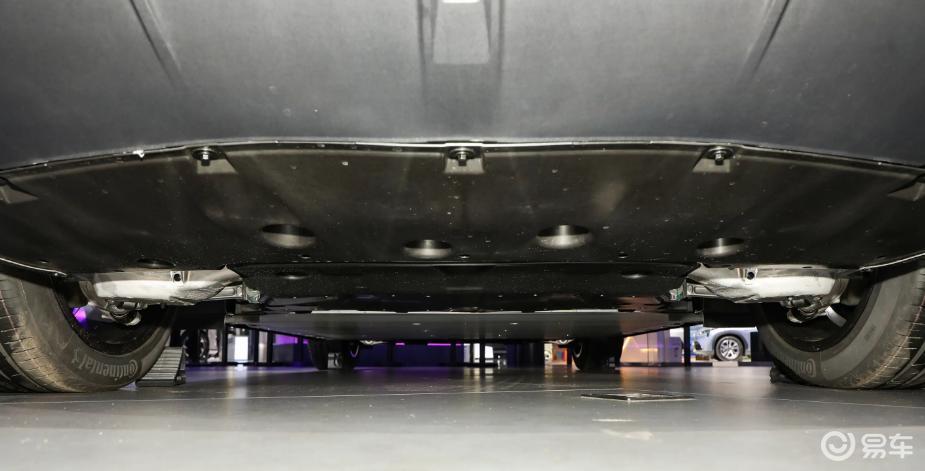
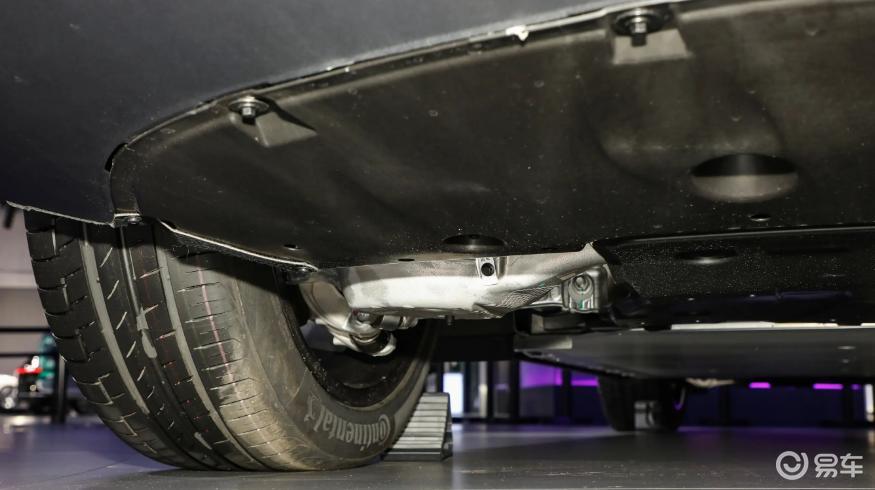
The chassis design of this car is quite regular, the front and rear guard plates are complete, and the comprehensive coverage is realized, and the technology level is quite high. This design not only helps to reduce the wind drag coefficient and improve the energy efficiency of the vehicle, but also protects the chassis from the damage of pavement gravel and foreign bodies. In addition, there is a protective beam under the steering gear, which further enhances the protective ability of the chassis.

?

?

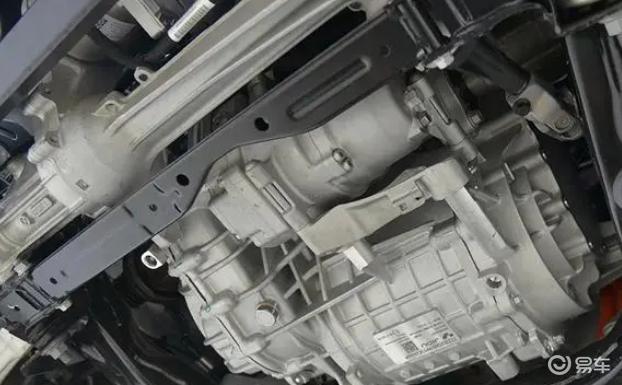
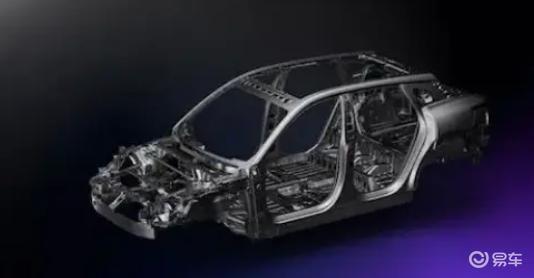
Its chassis is based on Geely’s vast SEA architecture, which is Geely’s flagship platform in the field of pure electricity. This platform is not only advanced in technology, but also superior in materials, which provides a solid support for Extreme Vietnam 01. The similarity in quality with Volvo SPA platform makes people full of confidence in the chassis of this car.

?

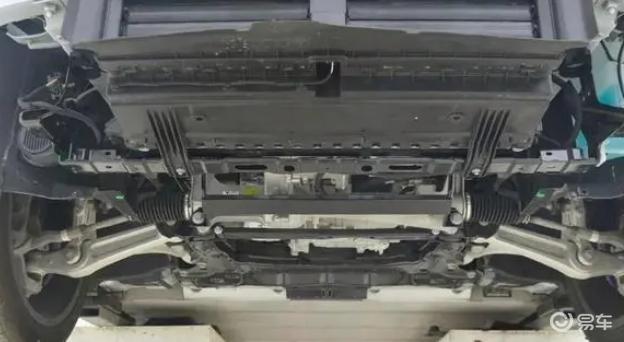
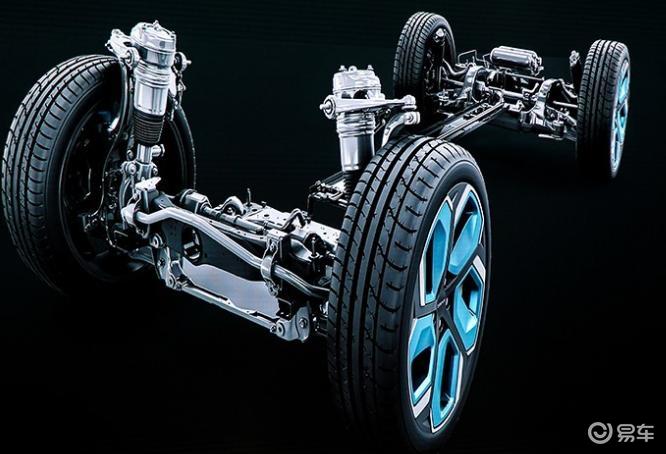
Great efforts have also been made in materials, and a large number of aluminum alloys have been used. For example, its front suspension adopts double-ball and double-wishbone structure, and it is all aluminum alloy. This design not only reduces the weight of the car body, but also improves the sensitivity and response speed of handling. The rear suspension is an aluminum alloy full-frame structure, which also takes into account the lightweight and strength. This lightweight design not only helps to improve the energy efficiency of the vehicle, but also makes it more flexible.

?

Whether driving at high speed or in corners, you can feel the solid support of the chassis. Especially when passing through a continuous curve, its suspension system performs well, the body posture is stable, and there is no excessive sense of roll. In addition, the suspension system of Extreme Yue 01 is properly adjusted, neither too tough nor too soft, which can provide sufficient comfort while maintaining maneuverability.

?

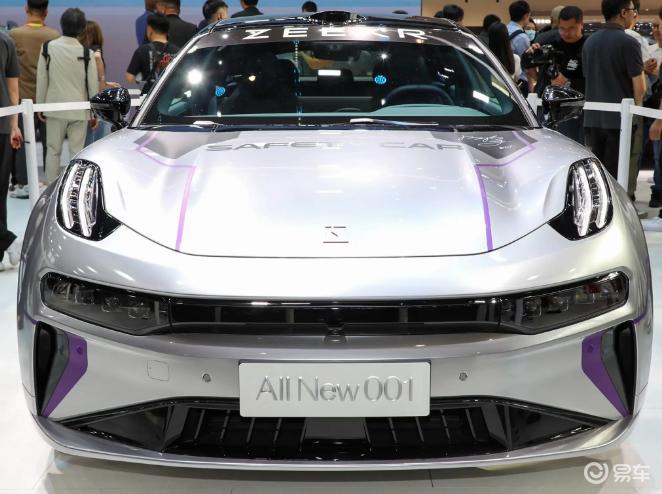
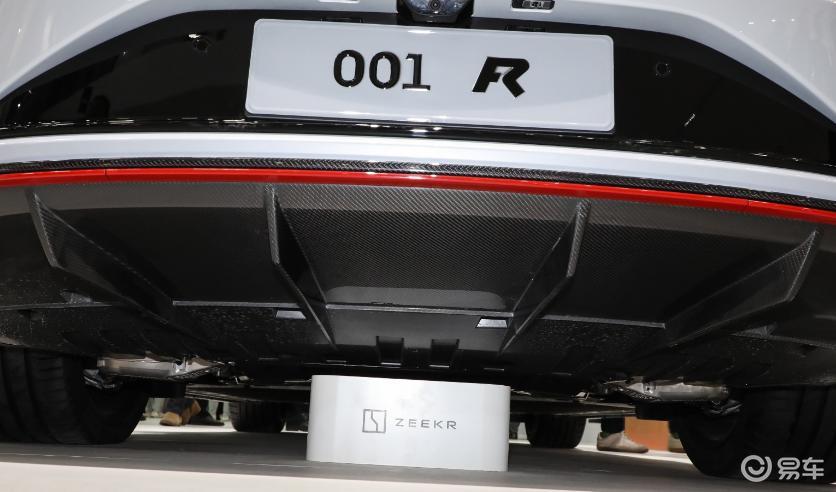
As another masterpiece from the same brand, the chassis of Krypton 001 is equally excellent. The ground clearance of krypton 001 is 14.5cm at full load and 17cm at no load. It is lower than SUV, but higher than car. This design not only ensures passability, but also gives consideration to handling and stability. Part of Krypton 001 equipped with air suspension system, its chassis height can be adjusted as required. Its chassis also adopts the suspension combination of front double wishbone and rear multi-link, which has excellent support and can easily cope with high-speed cornering or bumpy roads.

?

?

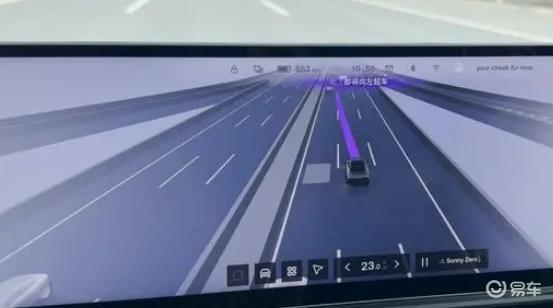
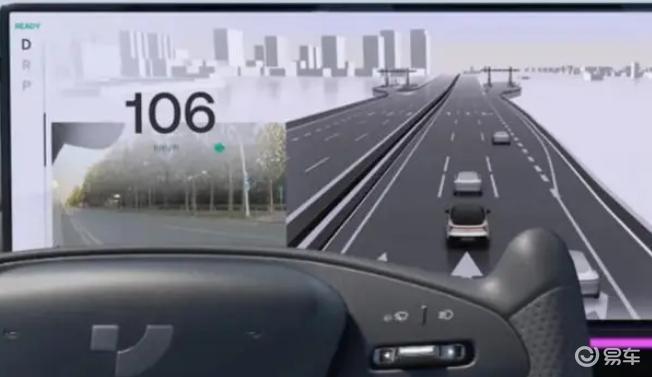
The driving of Extreme Yue 01 takes intelligence as the core, and the ASD Apollo high-order intelligent driving and Qualcomm Snapdragon 8295 chip provided powerful computing support for the vehicle, which enabled the intelligent driving assistance function to be realized. Its visual technical scheme is excellent in dealing with complex urban road conditions, like a pair of keen eyes, always escorting us. There is also its automatic parking function, which can easily complete the parking task in a narrow space and feel very convenient.

?

Krypton 001 pays more attention to the passion and fun of driving. Its dynamic performance is excellent, and the motor responds quickly and continuously. When driving, you can feel a strong feeling of pushing your back when you step on the accelerator deeply, as if you were in a racing car. In addition, the chassis adjustment of Krypton 001 is also biased towards sports, which makes the vehicle more flexible and accurate in handling. Krypton 001 also provides a variety of driving modes for drivers to choose from, including economy mode, comfort mode and sports mode. Each mode has different driving experience and power output performance.

?

?

The chassis of the ultra-01 gives people the feeling of walking on a flat road, solid and stable. The design is light, does not increase the extra burden, and runs smoothly. It’s easy to get through a hurdle and turn a corner. Flat chassis, small wind resistance and high efficiency. The braking and transmission system is also very sensitive, safe and reliable. The chassis of Krypton 001 is also unambiguous. As soon as the front and rear roll bars are installed, the sense of security is full. Wide tires and low pressure design are like putting running shoes on a car, which has strong grip and runs steadily, and is not afraid of slipping or drifting. I like intelligent driving, which makes me feel comfortable and worry-free. The intelligent configuration and delicate chassis adjustment of Ultra 01 are absolutely possible, and it is easy and enjoyable to drive. And if you are a crazy driver, pursuing speed and passion, the power and control of Krypton 001 will ensure that you can’t put it down as soon as you get started. Every time you step on the switch, it is an exciting adventure.

In short, no matter whether it’s Extreme Yue 01 or Extreme Krypton 001, as soon as the label of new energy is attached, it’s green and full of driving fun. Which car to choose is the pursuit and enjoyment of a better life!

?

?

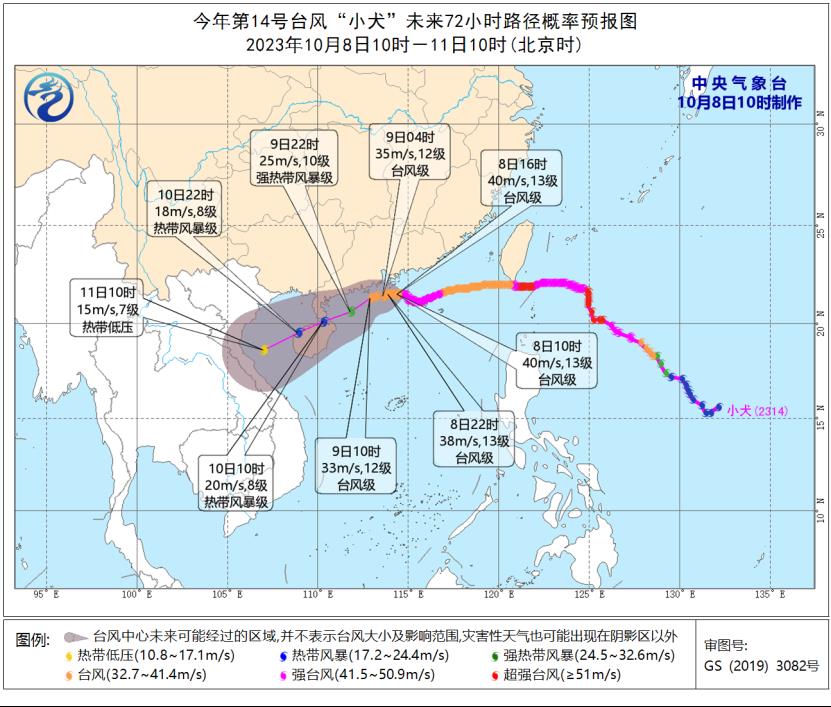
The Central Meteorological Observatory continued to issue a yellow typhoon warning at 10: 00 on October 8.

  CCTV News:According to the website of the Central Meteorological Observatory, the Central Meteorological Observatory continued to issue a yellow typhoon warning at 10: 00 on October 8:

  This year’s No.14 typhoon "Little Dog" was weakened from a strong typhoon level to a typhoon level this morning (8th). At 10 o’clock in the morning, its center is located in the northern part of the South China Sea about 455 kilometers north-east of xuwen county, Zhanjiang City, Guangdong Province, that is, 21.5 degrees north latitude and 114.4 degrees east longitude. The maximum wind force near the center is 13 (40m/s), and the lowest pressure in the center is 960 hectopascals, with a seven-level wind circle.

  It is estimated that "Little Dog" will move slowly to the west at a speed of 5-10 kilometers per hour, and its intensity will slowly weaken, and gradually approach the coastal area from the west of Guangdong to the east of Hainan Island.

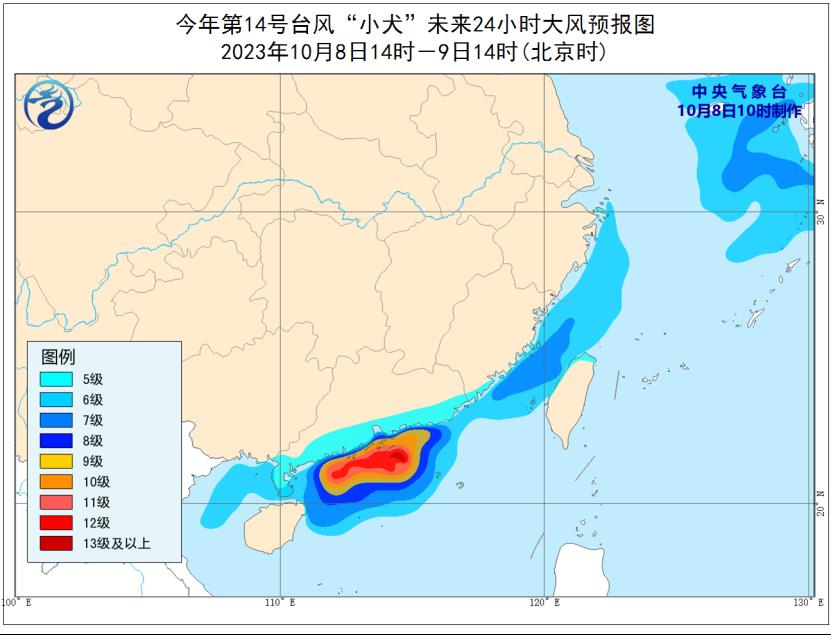
  Gale forecast:From 14: 00 on the 8 th to 14: 00 on the 9 th, there will be strong winds of 6-8 grades and gusts of 9-10 grades in the southern East China Sea, the Taiwan Province Strait, the northern South China Sea, the Beibu Gulf, and the coastal areas of Zhejiang, Fujian and Guangdong. Among them, there will be strong winds of 9-11 grades and gusts of 12-13 grades in parts of the coastal areas of Guangdong and the northern South China Sea, and the winds near the "Little Dog" center will be 12-14 grades.

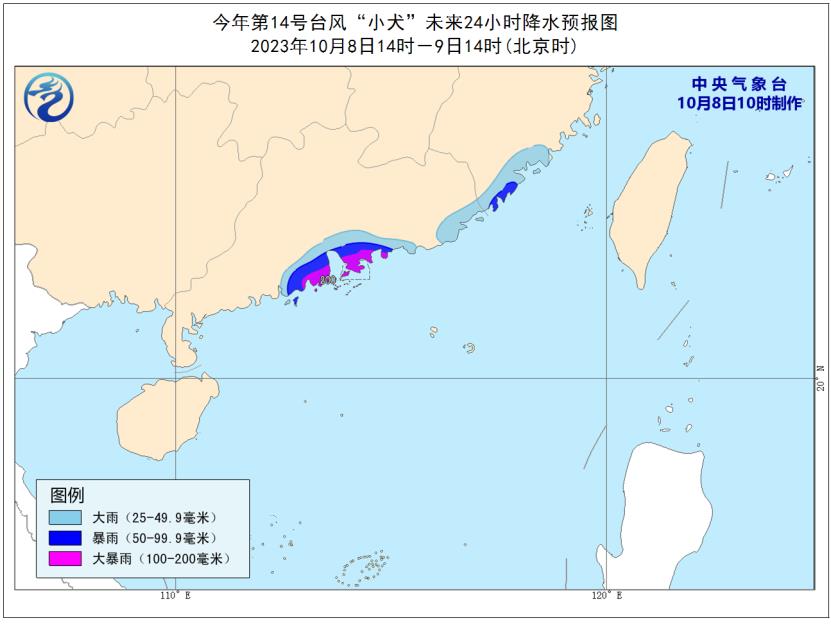
  Precipitation forecast:From 14: 00 on the 8th to 14: 00 on the 9th, there will be heavy rain and local heavy rain (100-200mm) near the southern coast of Fujian, the central and eastern coast of Guangdong and the Pearl River Estuary.

  Defense guide:

  1. The government and relevant departments shall, in accordance with their duties, do a good job in typhoon prevention and emergency rescue.

  2. Water operations and passing ships in relevant waters should return to Hong Kong to take shelter from the wind, strengthen port facilities, and prevent ships from anchoring, grounding and collision.

  3. Stop large-scale indoor and outdoor gatherings and dangerous outdoor operations such as high altitude.

  4. Reinforce or dismantle structures that are easy to be blown by the wind. Personnel should not go out at will. They should stay in windproof and safe places as far as possible, so as to ensure that the elderly and children stay in the safest place at home, and the dangerous people will be transferred in time. When the typhoon center passes by, the wind will decrease or stay still for a period of time. Remember that the strong wind will suddenly blow and you should continue to stay in a safe place to avoid the wind.

  5. Relevant areas should pay attention to prevent flash floods and geological disasters that may be caused by heavy precipitation.

The Basic Contents and Features of General Specification Chinese Character List

  In order to better implement the Law of People’s Republic of China (PRC) on the National Common Language and Characters, promote the standardization of the national common language and characters, adapt to the actual needs of modern language life and the development of national informatization under the new situation, and provide the standards for the quantity, grade and font of Chinese characters commonly used in modern society, the Ministry of Education and the State Language Committee have organized and developed the List of Chinese Characters for General Standardization (hereinafter referred to as the List).


  First, the basic content of the word list


  A total of 8105 standardized Chinese characters are included in the Character List, which is divided into three levels according to the degree and scope of universality. Among them, the first-level word list is 3500 words, which is the most frequently used set of commonly used words, and its function is equivalent to the modern Chinese common word list, which mainly meets the needs of basic education and cultural popularization. The second-level word list consists of 3000 words, which together with the first-level word list constitutes a common word set in the general social application field, and its function is equivalent to the modern Chinese common word list, which mainly meets the general needs of using words in modern society. There are 1605 words in the third-level word list, which are not included in the first-level and second-level word lists of surnames, names, scientific and technical terms and classical Chinese characters in Chinese textbooks for primary and secondary schools, but are more common in specific fields, mainly taking care of the basic needs of the public for words in special fields.


  In order to clearly standardize the correspondence between Chinese characters and their corresponding traditional characters and variants, the Ministry of Education and the State Language Commission have also organized and developed the Comparison Table of Standardized Characters and Traditional Characters and Variants (hereinafter referred to as the Comparison Table), which is used as a supplementary table and the Character List. The Comparison Table lists the traditional characters and variant characters corresponding to 2,546 standardized Chinese characters, including 2,574 traditional characters and 1,023 variant characters.


  The collation of the correspondence between simplified characters and traditional characters in the Comparison Table is based on the Summary of Simplified Characters, and its overall spirit is consistent with that in the Summary of Simplified Characters. With the basic principle of not restoring traditional characters, 96 groups of simplified characters and traditional characters which can not be one-to-one correspondence are mainly decomposed. For example, the word "Dou [Dou]" in the Summary of Simplified Chinese Characters seems to have a one-to-one correspondence on the surface. In fact, in the text printed with traditional Chinese characters, the simplified word "Dou" corresponds to the word "Dou" and "Dou" respectively. The former means measuring instrument, with the sound d ǒ u; The latter means fighting, and the sound is du u. If it is not decomposed, it is possible to convert all the "dou" into "dou" in the conversion from simple to complex, so there will be errors such as "Big Dipper". The collation of the correspondence between simplicity and complexity in the Comparison Table provides convenience for the reading of ancient books and the exchanges between the three places.


  The collation of the correspondence between standard characters and variant characters in the Comparison Table is based on the first batch of variant characters collation table. In view of the complexity of variant forms and the numerous problems involved, the Comparison Table does not expand the scope of variant forms, but focuses on the revision of the original variant forms in the First Batch of Variant Forms. According to the actual needs of using Chinese characters in modern society, the Word List and the Comparison Table restore or partially restore some "variant characters" that still have great application value and are closely related to people’s daily life into standardized characters for the convenience of people. For example, the word "Pan" was abolished as a variant of "Pan" in the First List of Variant Characters, but "Pan" was originally a surname, which originated from Pan-Guo in the Zhou Dynasty and has a very long history. A surname character represents the blood of a family. Out of respect for the family tradition, the Character List restored this kind of Chinese characters to the third-level character list as a surname character. Another example is the word "Zhe". The First List of Variant Characters is regarded as a variant of "Zhe". However, after investigation, it is found that the word "Zhe" contains two auspicious characters, which looks auspicious. Tens of thousands of people across the country have chosen this word for their names. Taking into account the people’s demand for Chinese characters and the reality of Chinese characters, the Word List has included it in the three-level word list, which is specially used for Chinese characters for names. On the basis of the First List of Variant Characters, 26 words such as "frustration, withering and gouging out" are recognized as standard words in the Word List and the Comparison Table, and 45 words such as "shua, pan and zhe" are regarded as standard words in a specific sense.And in the "word list" or "comparison table" in the corresponding position to explain its scope of use.


  In terms of glyphs, the characters included in the List of Printed General Chinese Characters and the List of Modern Chinese General Characters are recorded according to the glyphs in the two lists. Words outside the two tables shall be uniformly adjusted according to the font rules inside the two tables.


  Second, the overall characteristics of the word list


  Under the guidance of the new concept of Chinese character standardization, the Word List was developed by using modern technical means according to the situation of Chinese characters in contemporary society and the needs of the information age. Compared with the past Chinese character standardization, the Word List mainly has the following characteristics:


  1. Set a number of specifications for the convenience of the public.


  Since the founding of New China, the state has attached great importance to the work of language and writing, and has done a lot of work in the collation and standardization of Chinese characters, and has successively published a variety of word lists, which has played an important role in standardizing the use of Chinese characters in society. However, because these specifications are independent and scattered, they are extremely inconvenient to use. To understand the correspondence between simplified Chinese characters and traditional Chinese characters, it is necessary to look up the Summary of Simplified Chinese Characters published by the China Language Reform Commission in 1964 (individual adjustments were made when the State Language Commission approved its re-publication in the State Council in 1986); To understand the corresponding relationship between standard characters and variant characters, we need to look up the First Batch of Variant Characters Arrangement Table jointly issued by the Ministry of Culture and the China Language Reform Commission in 1955. To understand the font standard, we need to look up the Font Table for Printing General Chinese Characters issued by the China Character Reform Commission in 1965. To understand the standard of character quantity, we need to look up the List of Common Characters in Modern Chinese and the List of Common Characters in Modern Chinese jointly issued by the State Language Committee and the State Press and Publication Administration in 1988. The development of "Character List" comprehensively integrates these independent Chinese character specifications, and covers the functions of various previous character lists with a character list and an annex, which greatly facilitates the use of the public.


  2. Eliminate the original differences and unify the norms and standards.


  Because the previous Chinese character specifications were formulated in different periods, for different situations and for different purposes, there was a lack of care between them, which inevitably led to contradictions. For example, the word "Bing" is treated as the variant of "Bing" in the First Batch of Variant Character Arrangement Table, and the Font Table of Printing General Chinese Characters is included as a standard character. The word "shame" is treated as the variant of "Yang" in the First List of Variant Characters; The Summary of Simplified Chinese Characters is simplified as "Hua" and regarded as a standard word. For these inconsistencies, users are often at a loss. This time, the development of the Word List has made key adjustments to these problems, given clear and unified norms and standards, and eliminated the original differences.


  3. Use modern means to select words scientifically and quantitatively.


  It has been more than 20 years since the previous specifications and standards were released at the latest. At that time, neither the development basis nor the development means could be compared with the present. For example, in the aspect of corpus foundation, the List of Common Words in Modern Chinese and the List of Common Words in Modern Chinese published in 1988 are based on 14 static word lists without frequency of use and 6 dynamic word lists with frequency of use. The largest number of these word lists is 7,754, and the smallest number is only 1,000, which is extremely uneven. The word list obtained by second-degree statistics of 20 word lists with different uses lacks objective and unified criteria for word selection, and the results obtained are bound to have certain limitations. The background of the development of "Character List" is very different from the past. Modern information technology provides a scientific means for the construction and application of large-scale corpora, while a large-scale and balanced corpus provides a reliable basis for the survey of Chinese characters’ traffic. The basic corpus used this time is the "Modern Chinese Balanced Corpus" of the State Language Commission, which is randomly sampled from a large number of corpora, with a total database of about 91 million characters, covering the corpus of nearly a century since the popularization of modern vernacular Chinese, covering 55 disciplines in content and having a very comprehensive corpus source. The size and balance of the corpus ensure the reliability of word frequency and coverage statistics. Coupled with the use of multiple auxiliary corpora, scientific statistical methods and reasonable manual intervention, it provides a strong guarantee for the scientific quantification and word selection of the Word List.


  4. Considering different needs, reasonable classification.


  The previous Chinese character norms were formulated in the era of cultural and educational popularization, and more attention was paid to the demand for Chinese characters at the popularization level. Nowadays, people’s cultural knowledge structure is increasingly diversified, and the social language life is increasingly diversified. As a national standard, Character List will face users from all walks of life in China. Different levels of education, different communication ranges and different industry demands will inevitably lead to different requirements for the use of Chinese characters. The Word List fully considers this point, and divides the received words into three levels according to the general degree and general scope, which reflects the demand differences of different classes and industries and reflects the actual use of modern Chinese characters, thus greatly improving the practicality of the Word List.


  5. Take care of people’s lives and include special words.


  The establishment of three-level word list is a highlight of Word List. In the past, the standardization of Chinese characters was limited to the general social application level, but with the development of society, the amount of Chinese characters used in society has gradually increased, and the use of Chinese characters in some special fields has become more and more close to people’s daily life, which has become an indispensable word for modern information storage and information transmission. Without standardizing these Chinese characters, people’s daily needs for Chinese characters cannot be met. Based on the principle of people-oriented, the "Character List" was formulated this time, and the Chinese characters in special fields closely related to people’s daily life were also included in the scope of Chinese character standardization. With reference to the information provided by the Ministry of Public Security, the Ministry of Civil Affairs, the Committee on Science and Technology Terminology and other relevant departments, the commonly used Chinese characters for surnames and names, Chinese characters for place names above the township level, Chinese characters for science and technology related to people’s lives, and Chinese characters for printing teaching materials are specially collected to form a three-level character list, thus solving the problem of Chinese characters for surnames and names such as ID cards and household registration cards to a certain extent, and meeting the needs of people for Chinese characters in special fields such as medicine and nutrition in their daily lives.


  In addition, the development of the Word List has attracted widespread attention from all walks of life, and all major departments and fields have given strong support and help. A large number of experts and scholars have directly or indirectly participated in the development work, and the general public has also expressed their personal opinions and suggestions in various ways. This practice of developing norms and standards nationwide and socialized is also a major feature of the Word List that is different from the past. (Wang Lijun, male, professor and doctoral supervisor of the School of Literature, Beijing Normal University, director of the Chinese Character Research Office of the Folk Classics Research Center of the Key Research Base of Humanities and Social Sciences of the Ministry of Education, and one of the "Outstanding Talents in the New Century" of the Ministry of Education. )

The 2025 Kia EV5 Guangzhou Auto Show was launched, with a price of 149,800, a new choice for pure electric SUVs.

On November 15, 2024, the 2025 Kia EV5 was officially launched, with a price of 149,800 yuan. Based on the special E-GMP platform for Kia electric vehicles, this household pure electric SUV is the first global strategic vehicle launched by Kia in China. In addition to the regular version, the GT-Line version was also launched, with a price of 214,800 yuan, equipped with front and rear dual motors, and the power performance was significantly improved.

Consumers who purchase the 2025 KIA EV5 can enjoy financial rights including 0 down payment, 0 interest for 3 years, and financial discount up to 23,000 yuan. The vehicle warranty period is 5 years or 100,000 kilometers, and the three-power warranty period is 8 years or 150,000 kilometers. In addition, there is an increase of 7,000 yuan. The special support of yueda Group includes free basic maintenance materials for five times in five years, cash subsidies or coupons of 5,000 yuan, and five years of free unlimited full data traffic and other maintenance and interconnection rights.

In appearance, the 2025 KIA EV5 continues the family-style design language of "Opposites United Unity of Opposites". The front face adopts a C-shaped LED headlight group, and the side lines of the car body are tough, equipped with hidden door handles and low wind resistance styling wheels. In the rear part, the taillights are simple in shape and similar in style to the headlights. The body size is 4615/1875/1715mm and the wheelbase is 2750mm. The EV5 GT-Line version is blackened in appearance and equipped with 20-inch wheels to enhance the sense of movement.

For the interior, KIA EV5 is equipped with a 12.3-inch full LCD instrument and a 12.3-inch multimedia screen, with the latest generation ccNC in-vehicle infotainment system built in, and the physical buttons and touch buttons are retained. In terms of power, the maximum power of the motor before and after the EV5 GT-Line version is 160kW and 73kW respectively, and the comprehensive maximum power of the system is 233kW. The maximum power of the motor of the regular model is 160kW, and the pure battery life of CLTC is 530km and 720km.